
Container Gardens
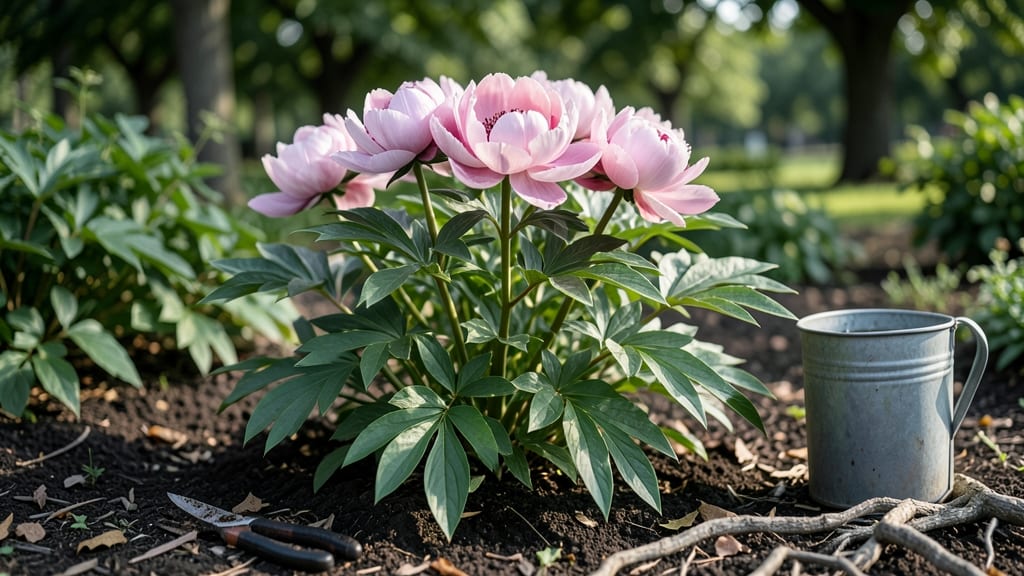
Peonies grow best in USDA Hardiness Zones 3 through 8, where cold winters and hot summers create ideal conditions for their deep root systems and vibrant blooms. Planting in zones 4-7 yields the most reliable, long-lived flowers with minimal stress.
Peonies need that perfect balance of cold winters and warm summers to thrive, making zones 3-8 their sweet spot. 🌸 The deep roots crave well-drained soil with a pH between 6.5 and 7.5, and they actually need winter chilling hours—those cold snaps help trigger stunning spring blooms.
I’ve found that gardeners in zones 4-7 get the most consistent results, but with proper care, peonies in zones 3 and 8 can still flourish.
What’s fascinating is how peonies adapt: varieties like 'Sarah Bernhardt' handle the extremes of zone 3’s harsh winters and zone 8’s heat, while others like 'Bowl of Beauty' shine brightest in zones 4-7.
The key is choosing the right cultivar for your climate and giving them space to spread their roots—crowding leads to fewer blooms. Plus, their long lifespan (20+ years!) makes them a worthwhile investment for patient gardeners.
💡 In This Article
- Peony Hardiness Zones Explained: Climate and Soil Needs
- Top Peony Varieties for Different Growing Zones
Peony hardiness zones explained: climate and soil needs
Peonies require specific climate conditions to thrive, particularly the balance between winter dormancy and summer growth.
In USDA Zone 3 (average minimum temperatures of -40°F to -30°F), peonies develop hardy root systems that withstand extreme cold, while Zone 8 (10°F to 20°F) provides just enough warmth to support their growth without overheating.
The critical factor is winter chilling hours—peonies need 400-1,000 hours below 45°F annually to trigger blooming. Without this, they may produce fewer or no flowers. 🌱
The soil plays an equally vital role, with ideal conditions being well-draining yet moisture-retentive. Peonies despise soggy roots, so amending clay soil with organic matter (compost or sand) is essential. Their preferred pH range is 6.5-7.5, mimicking their natural habitat in temperate forests.
In Zone 4-7, where most gardeners live, these conditions align perfectly, allowing peonies to establish deep roots (often 12-18 inches deep) that anchor them for decades. The roots also store nutrients, reducing the need for frequent fertilization.
Heat adaptation varies by zone. In Zone 8, peonies may struggle with summer heat above 90°F, leading to wilting or reduced blooms. Providing afternoon shade or mulching with straw or wood chips helps regulate soil temperature.
Conversely, Zone 3 gardeners must protect young plants from late spring frosts, which can damage emerging shoots. The key is planting peonies at the right depth—eyes (buds) should sit 2 inches below soil level to prevent frost damage. 🌡️
Soil drainage is non-negotiable. Peonies rot if left in waterlogged conditions, so raised beds or slopes improve airflow to roots. In Zone 5-7, where rainfall is moderate, adding a 1-inch layer of gravel beneath planting holes enhances drainage.
Overwatering is just as harmful as underwatering—peonies need 1-1.5 inches of water weekly during active growth but less in winter. The deep roots also mean they’re drought-tolerant once established, making them low-maintenance once planted correctly.
One often-overlooked detail is how peonies respond to humidity. In Zone 7-8, higher humidity increases fungal risks like powdery mildew, so spacing plants 3-4 feet apart improves airflow. In drier Zone 4-5, mulching retains moisture and prevents soil temperature fluctuations.
The combination of proper chilling, soil conditions, and humidity control explains why peonies in Zones 4-7 produce the most reliable blooms—these zones strike the perfect balance for their biological needs. 🌿