
Blooming
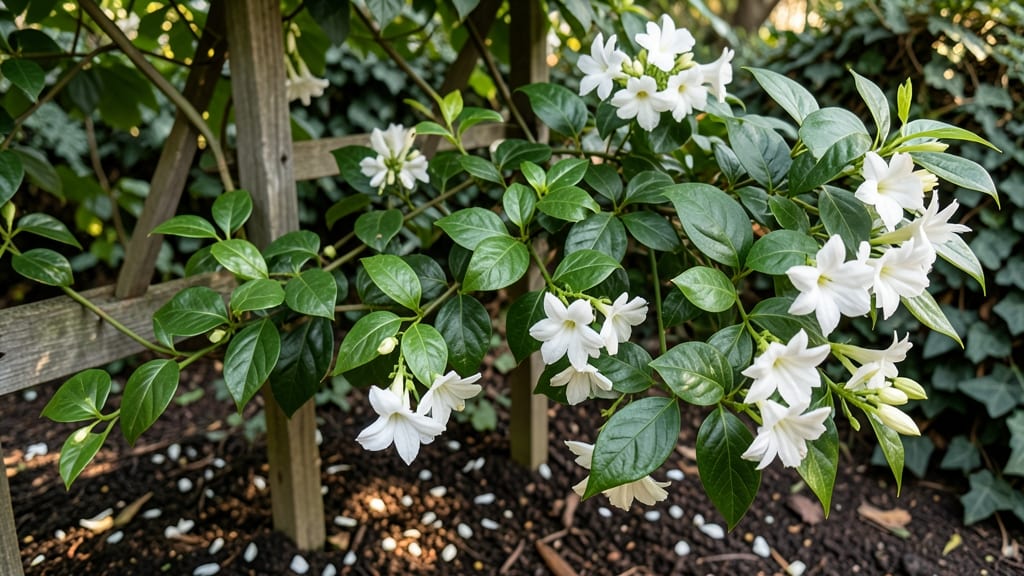
The jasmine plant blooming season is a fragrant highlight of your garden, but timing it right means the difference between a burst of sweetness and a year of waiting.
If you’ve ever inhaled the intoxicating sweetness of jasmine blooms at dusk, you know how magical—and fleeting—their fragrance can be. But timing is everything: Planting jasmine at the wrong time means waiting months (or even years) for those fragrant peaks.
Most jasmines, like the classic Jasminum officinale (common jasmine), bloom in late spring to early summer, while tropical varieties like Jasminum sambac can flower year-round in warm climates.
In USDA Zone 6a, expect your 🌸 jasmine to wake up in May, but pruning and sunlight play huge roles in extending that season.
Below, I’ll break down the exact months for peak blooms by climate, plus the simple tricks to coax more flowers—so you can enjoy that signature jasmine scent for weeks, not just days.


Jasmine blooming season by climate zone: exact months for peak fragrance
Jasmine’s intoxicating fragrance transforms gardens into sensory havens, but its blooming window varies dramatically by climate zone. In tropical regions, some varieties like Jasminum sambac flower year-round, while temperate zones experience concentrated spring/summer peaks.
Cold climates may see late-winter surprises from hardy varieties like Jasminum nudiflorum. Understanding these patterns helps you align planting with fragrance goals.
Your location determines whether you’ll enjoy continuous blooms or seasonal bursts. For example, Florida’s warm winters allow Jasminum grandiflorum to bloom from February to November, while California’s Mediterranean climate triggers spring peaks in March-April with occasional fall reblooms.
Even within the same zone, elevation and microclimates shift timing by 2-4 weeks.
Here’s the definitive guide to jasmine blooming windows, broken down by climate zone with regional variations to help you plan your garden’s most fragrant moments.
| Climate Zone | Jasmine Variety | Peak Blooming Months | Regional Notes |
|---|---|---|---|
| Tropical (Zones 10-12) | Jasminum sambac | Year-round (peaks Jan-Mar, Sep-Nov) | Florida, Hawaii, Puerto Rico |
| Tropical (Zones 10-12) | Jasminum grandiflorum | Feb-Nov (heaviest May-Jul) | Southern California, Texas coast |
| Temperate (Zones 7-9) | Jasminum officinale | May-Jul (second flush Sep-Oct) | UK, Pacific Northwest, Georgia |
| Temperate (Zones 6-8) | Jasminum nudiflorum | Jan-Mar (late winter) | New York, Midwest, Colorado |
| Cold (Zones 4-6) | Jasminum mesnyi | Jun-Aug (needs winter chill) | Chicago, Vancouver, Upstate NY |
In tropical zones, Jasminum sambac (Arabian jasmine) delivers year-round fragrance, though peaks align with warmer, wetter seasons. Florida gardeners often notice heavier blooms in late winter (January-March) when days lengthen, followed by a summer lull before fall’s second flush.
Meanwhile, Jasminum grandiflorum (Spanish jasmine) thrives in Southern California’s Mediterranean climate, blooming from February through November with intensity spikes during spring rains.
Temperate climates like the Pacific Northwest or UK** see Jasminum officinale (common jasmine) burst into bloom in late spring (May-July), often triggered by consistent temperatures above 60°F.
A second flush in September-October occurs if the plant receives proper summer pruning. This variety’s fragrance peaks at dusk**, making it ideal for evening garden strolls.
Cold-hardy varieties like Jasminum nudiflorum (winter jasmine) defy expectations by blooming in late winter (January-March) before leaves emerge. This USDA Zone 4-8 favorite thrives in Midwest and Northeast gardens, offering early-season color when most plants remain dormant.
Its yellow blooms contrast beautifully with snow, making it a winter fragrance standout.
For cold climates (Zones 4-6), Jasminum mesnyi (primrose jasmine) requires winter chill hours to trigger blooms, typically appearing in June-August. Gardeners in Chicago or Vancouver must plant this variety in well-draining soil and protect it from late spring frosts, which can damage emerging buds.
Regional microclimates create localized variations—for example, coastal California may see Jasminum grandiflorum bloom 2 weeks earlier than inland areas due to milder winters. Similarly, elevated gardens** in the App
How to extend your jasmine’s blooming season: pruning, fertilizing, and light tricks
Jasmine plants reward patience with their intoxicating fragrance, but their blooming season can feel disappointingly short if you don’t give them the right care. The key to extending those fragrant peaks lies in understanding three critical factors: pruning timing, fertilizer choices, and sunlight exposure.
Whether you’re growing evergreen jasmine (like Jasminum officinale) or deciduous varieties (like Jasminum grandiflorum), these tricks will coax your vine into producing more blooms for longer.
Evergreen jasmines bloom twice a year, typically in spring and fall, while deciduous types often produce a single flush in late spring or early summer. The difference? Evergreens stay active year-round, while deciduous varieties need dormancy periods to reset.
By adjusting your care routine, you can push your jasmine to produce second or even third blooms in a single season.
🌿 Top 3 Tricks to Extend Jasmine Blooms
- 1. Prune after blooming – Cut back 1/3 of growth right after the first flush to encourage new flowering stems.
- 2. Feed with phosphorus – Use a 10-30-10 fertilizer in spring to boost flower production.
- 3. Adjust sunlight – Move evergreen jasmines to morning sun + afternoon shade to prevent stress.
Let’s start with pruning, the most effective way to trigger a second flush of blooms. For evergreen jasmines, prune right after the first bloom cycle (usually in late spring) to remove spent flowers and encourage new growth.
Deciduous jasmines should be pruned in early spring, before new leaves emerge, to shape the plant and promote spring blooming. Always use clean, sharp shears to avoid damaging the vine.
Fertilizer makes a huge difference in jasmine blooming. During the active growing season (spring to early fall), switch to a low-nitrogen, high-phosphorus fertilizer (like 10-30-10) to encourage more flowers instead of foliage.
Apply it every 4-6 weeks and always water it in well to prevent root burn. In winter months, skip fertilizing entirely—jasmines need rest to rebloom.
Sunlight is the final piece of the puzzle. Most jasmines thrive in partial shade (4-6 hours of sun daily), but too much direct afternoon sun can stress the plant and reduce blooming.
If your jasmine isn’t flowering as expected, try moving it to a morning sun location or providing afternoon shade with sheer curtains. Container-grown jasmines are especially sensitive to heat—keep them in dappled light for best results.
With these adjustments, you’ll enjoy longer, more frequent jasmine blooms all season long. The secret? Timing your pruning, feeding strategically, and balancing sunlight—just like a pro gardener would. Now go enjoy that sweet, intoxicating scent for months to come! 🌸