
Planting
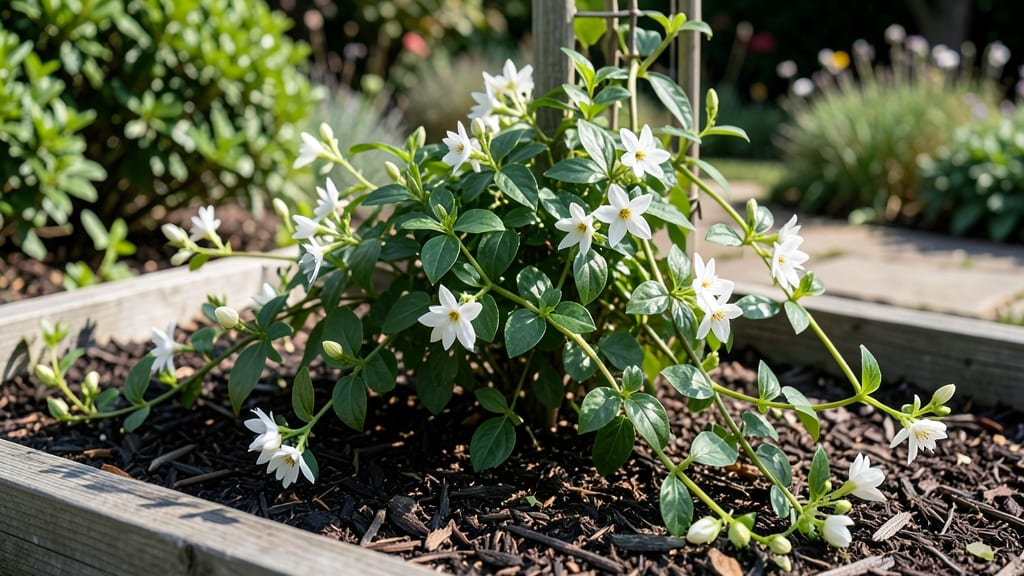
The jasmine plant season typically spans late spring through summer, with Arabian jasmine blooming from May to July and common jasmine thriving in June through August. Warmer climates may see extended blooms into early fall, while cooler regions often delay flowering until late spring.
Understanding your local climate is key to predicting when your jasmine will burst into fragrance. 🌸 In warmer USDA zones (9-11), jasmine often blooms earlier and lasts longer, sometimes continuing into September or October.
Meanwhile, in cooler zones (7-8), the blooms may not appear until June or even July, depending on last frost dates. The secret lies in temperature triggers—jasmine needs consistent warmth above 60°F to initiate flowering, which explains why tropical varieties like Jasmine sambac can bloom year-round in ideal conditions.
For gardeners eager to enjoy jasmine's signature scent all year, strategic planting and pruning make a world of difference. Winter jasmine (Jasminum nudifolium) is a hardy choice that blooms in late winter, while Night-Blooming Jasmine (Cestrum nocturnum) offers evening fragrance from summer through fall.
Pruning spent blooms encourages new growth, and in colder regions, providing winter protection can coax earlier spring blooms.
💡 In This Article
- How Climate Zones Affect Jasmine Bloom Timing
- Best Jasmine Varieties for Year-Round Fragrance
How climate zones affect jasmine bloom timing
The jasmine plant's flowering cycle is primarily triggered by temperature and daylight hours, with humidity playing a supporting role. Most jasmine varieties require consistent temperatures above 60°F to break dormancy and initiate blooms.
In USDA zones 9-11, where winters rarely drop below 30°F, jasmine often begins flowering as early as March, with peak blooms extending through September. This extended season occurs because warm temperatures and longer daylight hours (14+ hours in summer) create ideal conditions for continuous flowering.
In contrast, cooler zones like 7-8 experience delayed blooms due to frost sensitivity. For example, Arabian jasmine in zone 7 may wait until late May or June when soil temperatures stabilize above 65°F and nighttime lows remain above 50°F.
The vernalization process—a cold period required to trigger flowering—also plays a role in temperate climates. Some varieties need 4-6 weeks of chilling temperatures (35-45°F) before they'll bloom, which explains why spring frosts can sometimes delay or reduce flowering intensity.
Humidity levels further refine bloom timing, particularly for tropical jasmine varieties like Jasmine sambac. These plants thrive in 60-80% humidity and may produce flowers year-round in subtropical climates (zones 10-12).
In drier regions, irrigation becomes critical—jasmine plants under 40% humidity may produce fewer blooms or enter a temporary dormancy state. The science behind this is simple: higher humidity reduces transpiration stress, allowing the plant to allocate more energy to flower production rather than water conservation.
Daylight exposure also creates regional variations. Jasmine plants in northern latitudes (zones 6-7) often bloom later because shorter summer days (15 hours of sunlight) trigger photoperiodic responses that delay flowering until peak growing season.
Meanwhile, in southern climates, 12+ hours of daylight throughout the year can lead to nearly continuous blooming patterns. This explains why jasmine in Florida may flower in January while the same variety in New York waits until June.
Frost acts as a natural reset button for jasmine plants in temperate zones. A hard freeze (25°F or lower) can damage or kill tender varieties like Common Jasmine (Jasminum officinale), forcing new growth in spring.
However, hardy varieties like Winter Jasmine (Jasminum nudifolium) actually bloom more vigorously after winter chilling, producing bright yellow flowers in late winter or early spring. This adaptive behavior highlights how jasmine has evolved to capitalize on seasonal cues in different climates.
For gardeners in transitional zones (8-9), understanding these climate interactions is key to maximizing bloom seasons. A simple trick is to plant both spring-blooming and summer-blooming varieties together. For example, pairing Arabian Jasmine (spring) with Night-Blooming Jasmine (summer) creates a fragrance continuum from May through October.
The result? A nearly uninterrupted display of those iconic white, star-shaped blooms and intoxicating scent.