
Planting
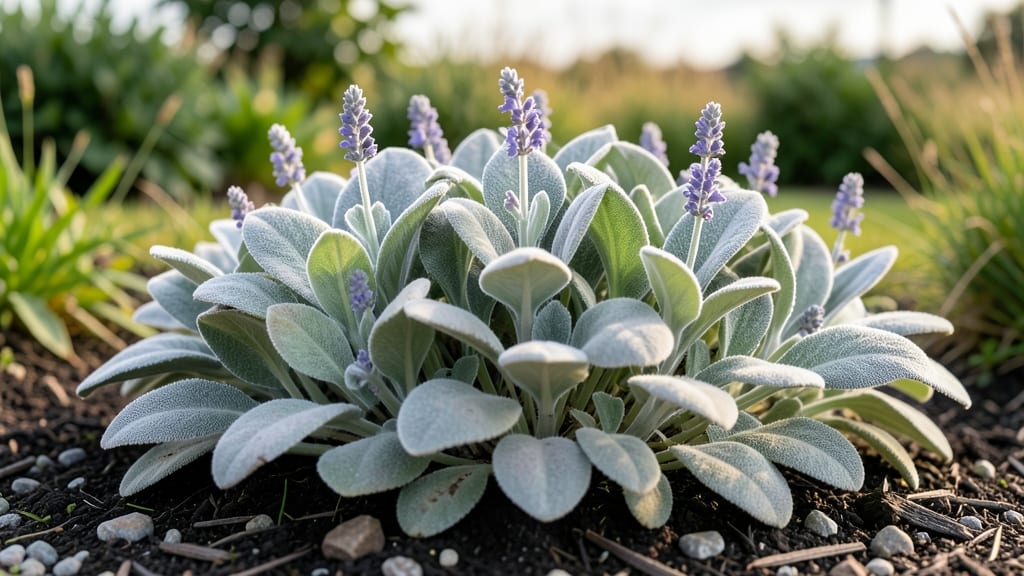
Lambs ear grows best in USDA hardiness zones 3 through 9, adapting to both freezing winters and intense summer heat, though it performs optimally in well-drained soil with partial shade during hotter months to avoid leaf scorch. Strategic planting in microclimates—like north-facing slopes or protected garden nooks—can push its growing range slightly beyond official zone boundaries.
Lambs ear's hardiness isn't just about cold tolerance—it's about balancing temperature extremes. 🌱 In zones 3-5, the plant handles frost well but may need winter mulch to retain moisture during thaw cycles. Meanwhile, zones 7-9 demand afternoon shade to prevent heat stress, especially in clay-heavy soils where roots can suffocate.
I've seen gardeners in zone 10 keep lambs ear thriving by planting it near water features or under deciduous trees that provide seasonal shade. The key is matching your local microclimate to the plant's needs rather than relying solely on zone numbers.
For urban gardeners, container planting offers flexibility—just ensure pots have drainage holes and use a well-amended potting mix. In rural settings, adding organic matter like compost improves soil structure, helping roots access moisture during dry spells.
The plant's fuzzy leaves also make it drought-tolerant once established, but young plants still need consistent watering during their first growing season.
💡 In This Article
- Understanding Lambs Ear Plant Hardiness Zones
- Creating Ideal Microclimates for Lambs Ear Growth
Understanding lambs ear plant hardiness zones
The USDA hardiness zone system for lambs ear (Stachys byzantina) is based on the plant's ability to withstand average annual minimum temperatures, but the real story lies in how it handles both cold snaps and summer heat waves.
Lambs ear's fuzzy leaves act like natural insulation, trapping heat near the plant's surface during winter but also reflecting sunlight to prevent overheating in summer. This dual adaptation explains why it thrives across zones 3-9, from Minnesota's subzero winters to Florida's humid summers.
In colder zones (3-5), lambs ear's cold tolerance comes from its ability to enter dormancy when temperatures drop below 20°F. The fuzzy foliage reduces water loss through transpiration, while the roots store carbohydrates that fuel regrowth in spring.
However, prolonged exposure to -10°F can cause leaf dieback, which is why gardeners in zone 3 often apply a 3-inch layer of mulch after the first frost to protect roots. In contrast, zones 7-9 present different challenges—summer temperatures above 90°F can cause leaf scorch, especially in full sun.
Soil moisture retention plays a critical role in both cold and heat tolerance. Lambs ear's native habitat in rocky, well-drained Mediterranean slopes means it dislikes soggy conditions. In zones with heavy clay soils (common in zones 6-8), amending with 20-30% compost improves drainage while retaining enough moisture for root health.
The plant's drought tolerance once established comes from its thick, waxy leaf surface that minimizes water loss—similar to how cacti survive arid climates, but without the spines.
Zone-specific care reveals fascinating adaptations. In zone 4, lambs ear benefits from spring fertilization with 5-10-10 fertilizer to jumpstart growth after winter dormancy, while zone 8 gardeners should avoid fertilizing in summer to prevent heat stress.
The plant's ability to spread via underground runners also means it self-regulates its growth based on available resources—a survival strategy that makes it resilient in both poor and rich soils, though it truly excels in slightly alkaline soils (pH 6.5-7.5).
What most gardeners don't realize is how lambs ear's growth patterns change with latitude. Northern-grown plants develop more compact, bushy forms due to shorter growing seasons, while southern varieties tend to spread wider with longer stems.
This genetic adaptation means you might need to source plants from nurseries within 1-2 zones of your location for optimal performance. The plant's natural variability is one reason why microclimates can push its range—localized conditions often matter more than the official zone number.
Consider this comparison: A lambs ear in zone 5 might handle -25°F with proper mulching, while the same plant in zone 8 could struggle with 100°F afternoon sun without shade. The key is matching the plant's native stress responses to your local climate extremes. 🌟