
Planting
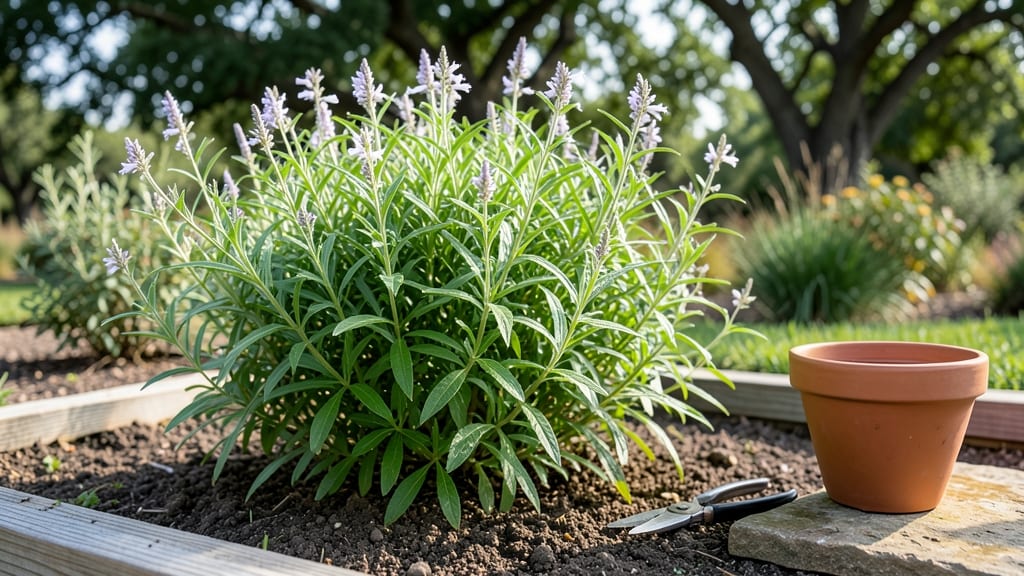
Lemon verbena grows best in USDA hardiness zones 8-11, but with proper winter care, it can tolerate brief exposure to zone 7. Cold sensitivity means frost and chilling temperatures quickly damage its tender foliage, requiring strategic protection for marginal climates.
This tropical herb struggles in colder zones because its thin leaves and shallow roots can't withstand prolonged cold. 🌿 Even a single night below 32°F can cause irreversible damage, which is why gardeners in zones 7-8 need to use containers or row covers.
I've found that placing plants near south-facing walls or under glass extends their growing season significantly.
For zone 7 gardeners, overwintering in containers with thick mulch or moving plants indoors before the first frost works best. Lemon verbena's sensitivity to cold means it's not a perennial in most northern climates, but with these strategies, you can enjoy its citrusy aroma year after year.
💡 In This Article
- Understanding Lemon Verbena’s Cold Sensitivity and USDA Zone Limits
- Protecting Lemon Verbena in Marginal Zones: Containers, Mulch, and Shelter
Understanding lemon verbena’s cold sensitivity and USDA zone limits
Lemon verbena's struggle in colder climates stems from its tropical origins in South America, where temperatures rarely drop below 50°F. Its thin, delicate leaves and shallow root system lack the protective adaptations of hardier herbs like rosemary or thyme.
The plant's cellular structure contains high moisture content, making it particularly vulnerable to frost damage when temperatures fall below 32°F. This threshold triggers ice crystal formation within leaf cells, causing irreversible rupture and browning within hours.
The science behind this sensitivity involves a process called chilling injury, where cellular membranes break down at temperatures between 32°F and 45°F. Unlike cold-hardy plants that can enter dormancy, lemon verbena remains metabolically active until temperatures drop dangerously low.
Even brief exposure to 28°F can kill the plant, which explains why zone 7 gardeners face such challenges. The herb's growth habit—long, arching stems with fine foliage—provides minimal insulation against cold air.
What makes this particularly tricky is how quickly damage occurs. Unlike perennials that gradually acclimate, lemon verbena shows visible frost damage within 6-12 hours of sub-freezing temperatures. The leaves first develop water-soaked spots that turn brown, then crispy, while the stems remain green—a classic sign of cold stress.
This rapid response means gardeners in marginal zones must act preemptively rather than reactively.
Zone differentiation matters because each USDA zone represents a 10°F temperature range. Zone 8 averages 10-20°F colder winters than zone 11, meaning even a single frost event can be catastrophic.
The plant's native habitat experiences year-round temperatures above 60°F, so its biological clock isn't equipped for seasonal dormancy cycles found in temperate plants.
Interestingly, lemon verbena's sensitivity extends beyond just frost. Prolonged exposure to 40-50°F nights can stunt growth and reduce essential oil production—the very compounds that give it that signature citrusy aroma.
This explains why even zone 8 gardeners in inland areas (with colder nights) often struggle compared to coastal gardeners with milder microclimates.
For those pushing the limits in zone 7, understanding these thresholds helps explain why container growing works so well. The 10-15°F temperature buffer provided by pots (which warm up faster in sunlight) becomes the difference between life and death during cold snaps.
The same principle applies to microclimates—south-facing walls can create 5-10°F warmer zones than open garden beds.