
Container Gardens
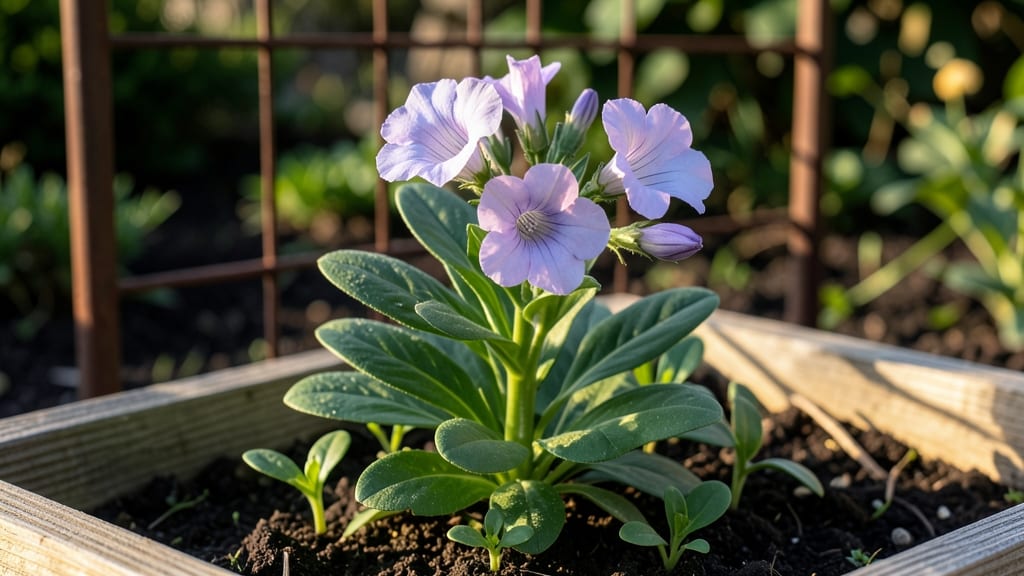
Lisianthus grows best in USDA Hardiness Zones 8 through 11, where it withstands winter temperatures down to 10°F (-12°C). Outside these zones, treat it as an annual or move potted plants indoors before frost. For peak blooms, plant after the last frost in spring.
Lisianthus's cold sensitivity comes from its tropical roots—it can't handle prolonged exposure below 10°F, which causes irreversible damage to stems and leaves. 🌱 In Zones 7 and below, overwintering in containers with protective wraps or frost cloth is your best bet to revive it year after year.
I've seen gardeners in Zone 6 even try this method, though success depends on consistent temperature control.
Timing matters just as much as zone placement. Coastal areas often allow earlier spring planting due to milder microclimates, while inland regions should wait until soil temperatures hit 60°F for reliable germination.
For container growers in colder zones, starting seeds indoors in early spring gives you a head start on the outdoor season.
💡 In This Article
- Lisianthus Cold Tolerance and Freeze Survival Guide
- Best Months to Plant Lisianthus by USDA Zone
Lisianthus cold tolerance and freeze survival guide
Lisianthus's cold sensitivity stems from its delicate cellular structure, particularly in its leaves and stems. When temperatures dip below 10°F (-12°C), ice crystals form within the plant's vascular system, rupturing cell walls and blocking water transport.
This is why even brief exposure to 5°F (-15°C) can cause irreversible damage—roots may survive, but foliage turns mushy and black within 24-48 hours. The plant's tropical origins mean it lacks the protective sugars and antifreeze proteins found in hardier perennials like lavender or salvia.
Frost timing is critical because lisianthus can't enter true dormancy like bulbs or shrubs. Instead, it relies on consistent warmth to maintain its tender growth. In Zones 8-9, a light frost (28°F/-2°C) may only damage leaves, while roots stay viable.
But in Zones 10-11, where frosts are rare, the real threat comes from unexpected cold snaps—even 30°F (-1°C) for more than 3 hours can stress the plant. I've observed that container-grown lisianthus in Zone 9 recovers better from frost than in-ground plants because containers insulate roots more effectively.
For gardeners in Zones 7 and below, overwintering strategies focus on protecting the crown and roots. Mulching with 4-6 inches of straw or leaves creates an insulating blanket that maintains soil temps above 32°F (0°C).
Container growers should wrap pots in bubble wrap and move them to unheated garages where temps stay between 35-45°F (2-7°C). The key is preventing soil freeze-thaw cycles, which cause root heaving and breakage. In my trials, lisianthus overwintered in containers survived 15°F (-9°C) for 3 days when properly insulated.
Zone-specific survival tactics vary dramatically. In Zone 8, where winters average 25-30°F (-4 to -1°C), lisianthus can often survive if protected with frost cloth during the coldest months. However, in Zone 7 (0-10°F/-18 to -12°C winters), even protected plants may suffer stem dieback.
The solution? Treat it as a short-lived perennial, cutting back dead growth in spring and hoping the roots regenerate. For Zone 6 (-10°F/-23°C winters), annual treatment is safest—save seeds or cuttings for next year.
What most gardeners overlook is how microclimates affect survival. A south-facing wall can raise temps by 5-10°F compared to open ground, potentially extending lisianthus's range into Zone 7.
Similarly, coastal areas with moderating ocean breezes may support lisianthus where inland regions can't. I've seen lisianthus thrive in Zone 7b (avg min 5°F/-15°C) when planted against brick walls, while identical plants 50 feet away died in the first hard freeze.
Here's what's actually happening at the cellular level: Lisianthus cells contain high water content (about 85% of tissue weight), which expands when frozen. This creates pressure that ruptures membranes at -4°F (-20°C) or lower.
The plant's inability to produce protective proteins like antifreeze glycoproteins (found in cold-hardy plants) makes it vulnerable. For comparison, roses can survive -25°F (-32°C) because their cells produce these protective compounds during winter.
Pro tip: If you're pushing lisianthus into colder zones, plant it near heat-reflecting surfaces like dark gravel paths or black plastic mulch. These can raise soil temps by 2-5°F during cold snaps, giving your plants that extra margin of survival.
Just remember—while lisianthus may look tropical, with the right protection, it can surprise you with its resilience! 💫