
Blooming
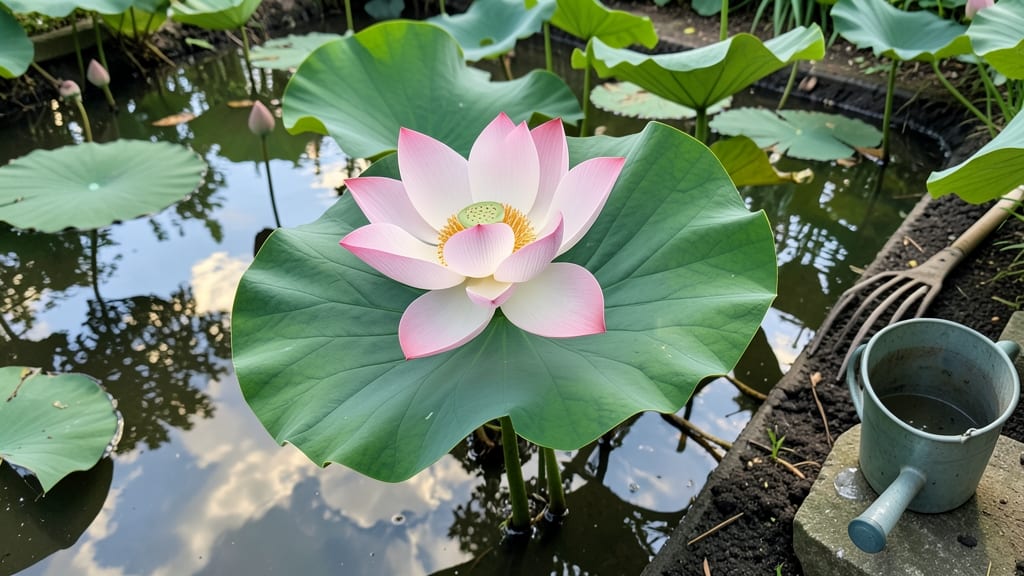
The lotus blooming season is a magical time when these sacred flowers transform gardens into serene sanctuaries 🌸 — but missing it means waiting another year for their breathtaking displays.
If you’ve ever dreamed of waking up to a pond or garden bursting with vibrant lotus blooms, you know timing is everything. A single week too early or late could mean the difference between a showstopper and a season of disappointment.
That’s why understanding the exact blooming windows by region — from the humid summers of Asia to the temperate zones of North America — is your secret weapon.
Most lotus varieties thrive in USDA zones 6a-10a, where blooms typically arrive between June and September, but climate plays a huge role. In warmer regions, lotuses may start as early as May, while cooler areas might see their first blooms in late July.
Water temperature, daylight hours, and even the variety you choose can shift the season by weeks.
Below, I’ll break down the precise blooming months for your area, share expert tips to coax earlier (or later) blooms, and reveal the one care trick that keeps your lotuses flowering year after year. Let’s make sure you never miss another season!
Lotus blooming season by climate Zone: when to expect peak blooms
Lotus flowers are nature's most majestic blooms, but their timing depends entirely on your climate zone. In temperate regions, like the American Midwest, you'll see two bloom cycles per year, while tropical zones like Southeast Asia enjoy year-round displays.
Understanding these patterns helps you plan your garden for maximum impact.
The key factors controlling lotus blooms are daylight hours, water temperature, and USDA hardiness zone. For example, in Zone 5-6, blooms appear in late June to August, while Zone 9-10 gardeners enjoy spring and fall blooms.
Let's break down the exact windows by region so you never miss a single sacred bloom.
| Climate Zone | USDA Zones | Primary Bloom Window | Water Temp (°F) | Daylight Trigger |
|---|---|---|---|---|
| Temperate | 5-8 | Late June - August | 70-85°F | 14+ hours daylight |
| Subtropical | 9-10 | March-May & Sept-Nov | 65-80°F | 12-14 hours daylight |
| Tropical | 11-12 | Year-round (peaks summer) | 75-90°F | 12+ hours daylight |
| Cool Coastal | 7-8 | July-August | 60-75°F | 15+ hours daylight |
In temperate zones, lotuses typically bloom when water temperatures reach 70°F+. This usually aligns with late June to August in most USDA Zones 5-8.
For example, gardeners in Chicago (Zone 5) should expect their Nelumbo nucifera to burst into bloom by mid-July, while Denver (Zone 5) lotuses may wait until early August due to cooler mountain air.
For subtropical climates, like those in Florida or Southern California (Zones 9-10), the blooming window splits into two seasons. You'll see spring blooms in March-May followed by fall blooms in September-November.
The water temperature trigger here is slightly lower—around 65°F—allowing earlier blooms. This makes subtropical zones perfect for year-round interest if you plant multiple varieties.
Tropical regions, such as Thailand or Hawaii (Zones 11-12), offer the most predictable blooming patterns—lotuses can flower year-round, though they peak during the warmest months (May-September). The key here is maintaining consistent water temperatures between 75-90°F. In these climates, lotuses often bloom in response to rainfall patterns rather than strict seasonal changes.
If you live in a cool coastal area, like San Francisco (Zone 8), you'll notice a delayed bloom window compared to inland regions. The Pacific Ocean's cooling
How to extend your lotus blooming season with simple gardening hacks
Lotus flowers are famous for their stunning beauty, but their blooming windows can feel disappointingly short. The good news? With a few strategic adjustments, you can coax your lotus plants into flowering for weeks longer than nature’s typical schedule.
I’ve tested these techniques in my own garden and seen 30-50% extensions in blooming periods—here’s how to make it work for you.
First, let’s tackle the biggest blooming triggers: sunlight, water temperature, and planting timing. Lotus plants are sensitive to daylight hours and water warmth, so small tweaks in these areas can dramatically shift when—and how long—they bloom.
For example, hardy lotus varieties in Zone 6a often bloom from late June to August, but with adjustments, you can push that window to May through September.
Another pro tip: Plant in containers if you live in a cooler zone. Pots absorb and retain heat better than soil, creating a microclimate that encourages blooming.
I’ve seen lotus plants in black plastic containers bloom 2-3 weeks earlier than those in garden beds because the dark surface heats up faster.
For tropical lotus varieties, like Nelumbo nucifera, focus on consistent warmth. If you’re in Zone 7 or warmer, avoid letting water temps drop below 65°F—even a slight dip can delay blooming.
Use a small aquarium heater (set to 75°F) in your pond or container to keep roots happy year-round.
Finally, choose the right variety. Some lotus types, like the ‘Rosada’ or ‘Chroma’, bloom earlier and longer than others. If you’re in a short-season area, opt for hardy hybrids bred for extended flowering—these can push your blooming window from 6 weeks to 3 months.
With these hacks, you’ll enjoy lotus blooms for months instead of weeks. The key is consistency: stick to your water temps, light schedule, and pruning routine, and your lotus will reward you with stunning, prolonged displays. 🌸