
Pruning
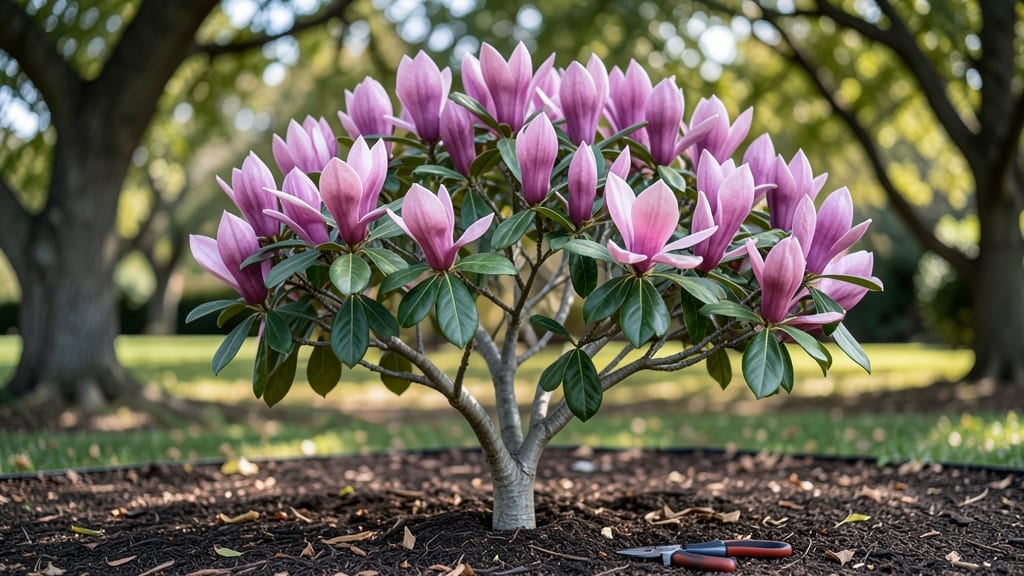
Magnolia trees can thrive in Zone 6 when given the right cold-hardy care: plant in well-draining soil, apply thick mulch in winter, and prune after flowering in late spring. Most varieties handle temperatures down to -10°F if sheltered from harsh winds.
Zone 6 presents unique challenges for magnolias, but the right approach makes it totally doable. 🌿 The key is choosing cold-tolerant varieties like Magnolia stellata or Little Gem, which handle winter better than tropical species.
Young trees need extra protection—wrap the trunk with burlap or use frost cloths during sudden cold snaps. I've seen firsthand how proper winter prep can mean the difference between a thriving tree and one struggling to rebound in spring.
When it comes to pruning, timing is everything. Late spring is ideal because it lets the tree recover before winter stress sets in.
Always use sterilized tools to prevent disease, especially in Zone 6's humid summers. Never prune in fall—this can stimulate new growth that won't harden off before winter, leaving your tree vulnerable to frost damage.
💡 In This Article
- Cold Hardiness of Magnolia Tree Varieties in Zone 6
- Step-by-Step Pruning Guide for Zone 6 Magnolias
Cold hardiness of magnolia tree varieties in Zone 6
The cold tolerance of magnolias varies dramatically between species, with some thriving in Zone 6's -10°F winters while others struggle. Magnolia stellata (star magnolia) is a top performer, rated USDA Zone 4-8, making it ideal for Zone 6 gardens.
Its thick, leathery leaves and compact growth habit help it conserve heat during winter dormancy. In contrast, tropical varieties like Magnolia grandiflora (southern magnolia) only handle Zone 7-10, where winters rarely drop below 10°F.
Young magnolia trees are far more vulnerable to cold damage than mature specimens. The first 2-3 years after planting are critical—their shallow root systems can't access deep soil warmth.
To protect them, apply 4-6 inches of organic mulch (like shredded bark) around the base, extending out to the tree's drip line.
This creates an insulating blanket that maintains 5-10°F warmer soil temperatures during frost events. 🌟 Mature trees develop thicker bark and deeper root systems that provide natural insulation, but they still benefit from winter mulch.
What makes Zone 6 particularly challenging is the risk of late spring frosts after buds have swollen. Some magnolias like Magnolia 'Little Gem' (Zone 6-9) can handle -5°F once established, but their flowers are especially frost-sensitive. The solution?
Choose varieties with later bloom times or use frost cloths during critical bloom periods. I've seen Magnolia 'Black Tulip' (Zone 5-9) survive -20°F winters because its dark foliage absorbs more solar heat during the day, which helps it withstand colder nights.
Assessing frost damage requires close observation. Healthy magnolia leaves should unfurl green and firm in spring. If you notice brown, crispy edges or blackened buds, that's a sign of winter injury. In severe cases, the tree may drop leaves entirely, but it often recovers if the roots remain intact.
For newly planted trees, wrap the trunk with burlap or tree wrap to prevent sunscald—a common issue in Zone 6 where rapid temperature swings cause bark damage.
Soil drainage plays a surprising role in cold hardiness. Magnolias planted in heavy clay soils are more susceptible to winter stress because their roots can't regulate moisture properly. Amending with compost and sand improves drainage and prevents root rot, which weakens the tree's ability to withstand cold.
The ideal soil mix should have 60% organic matter to help retain moisture during dry spells while still allowing excess water to drain away during heavy rains.
One often-overlooked factor is wind exposure. Magnolias in exposed locations lose heat 30% faster than those sheltered by buildings or fences. Planting on the south or west side of structures provides natural windbreaks while maximizing winter sun exposure.
For container-grown magnolias, move pots to protected locations before the first hard frost, as potted plants freeze more easily than in-ground specimens.