
Orchid Care
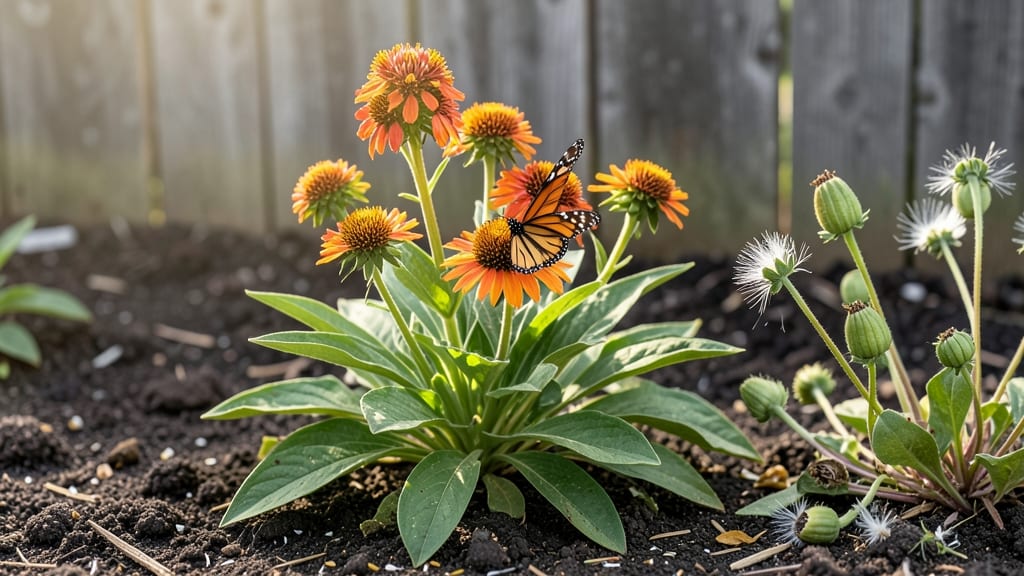
The monarch migration season transforms your garden into a vital stopover for one of nature’s most incredible journeys. 🌿 Every fall, millions of monarchs travel up to 3,000 miles to Mexico, and your yard can become a lifeline with the right plants and timing.
This isn’t just about beauty—it’s about survival. Monarchs rely on milkweed for their caterpillars and nectar-rich flowers for fuel. Planting native varieties like swamp milkweed or butterfly weed ensures they’ll rest, feed, and continue their epic voyage. Even a small patch makes a difference.
By aligning your garden with their migration timeline—late summer through early fall—you’ll witness the magic firsthand. Watch caterpillars turn into butterflies, then see them cluster on stems before their flight south. It’s a cycle you can actively support.
The best part? These same plants attract pollinators year-round, giving you fragrant blooms and a thriving ecosystem. Let’s turn your garden into a monarch highway—one that benefits both wings and your soul.
📚 In This Guide
- What you need
- Instructions
- Tips and common mistakes
- Wrapping up and next steps
What you need
- ● Orchid plants: 3–5 Phalaenopsis or Cattleya orchids (native-friendly varieties like Laelia attract butterflies).
- ● Potting mix: 1–2 bags of orchid-specific bark mix (sterile, chunky, and well-draining).
- ● Containers: 3–5 pots (4–6 inches in diameter) with drainage holes.
- ● Butterfly-friendly plants: 1–2 milkweed (Asclepias) plants (critical for monarchs) and 3–4 nectar plants (e.g., Lantana, Salvia).
- ● Fertilizer: Balanced orchid fertilizer (20-20-20 or 10-10-10, diluted to half-strength).
- ● Watering can: 1 with a gentle spray nozzle (or a hose with a fine mist setting).
- ● Pruning shears: 1 pair (sterilized with rubbing alcohol).
- ● Gloves: 1 pair (gardening or nitrile) to protect hands from sap or sharp edges.
- ● Stakes or trellis: 2–3 lightweight supports for orchids (if vining varieties).
- ○ Butterfly feeder: 1 (optional, for supplementing nectar during migration).
- ● Journal/notebook: 1 (to track blooms, monarch sightings, and care notes).
- ● Camera or binoculars: 1 (for documenting migration progress!).
Step-by-Step orchid care calendar for year-round fragrance
Timing is everything with orchids—here’s how to align their care with nature’s rhythms.
⏰ Step 1: Adjust Light and Watering for Spring Awakening
As monarchs begin their migration north, your orchids will respond to longer daylight hours. Move them to a spot with bright, indirect light—think 1,000–2,000 foot-candles—to encourage blooming. East-facing windows or filtered southern light work best. You’ll notice new growth within 2–3 weeks as the plant wakes from dormancy.
Increase watering frequency gradually: soak the potting mix until water drains freely, then let it dry 50% before watering again. Overwatering now causes root rot, while underwatering stunts blooms. Check moisture by lifting the pot—if it feels light, it’s time to water.
☀️ Step 2: Peak Summer Bloom Support (June–August)
During monarch migration season, orchids thrive in 70–80°F daytime temperatures with 60–70% humidity. If your home runs dry, place the pot on a tray of pebbles with shallow water to boost humidity—just ensure the pot sits above the waterline. You’ll see flower spikes emerge around mid-summer, signaling it’s time to reduce fertilizer to half-strength to avoid leafy growth at bloom’s expense.
Rotate the pot quarter-turn weekly to prevent lopsided growth toward the light. Watch for bud drop—a sign of stress from temperature swings or drafts. If buds brown and fall, adjust care immediately: orchids need consistent conditions to hold blooms until monarchs pass through.
🌿 Step 3: Autumn Transition and Post-Bloom Care
As temperatures dip below 65°F and monarchs migrate south, reduce watering to every 7–10 days once blooms fade. Cut spent flower spikes at the base with sterilized scissors, leaving a clean node for future growth. You’ll notice new pseudobulbs forming—these store energy for next year’s blooms.
Boost potassium with a balanced 20-20-20 fertilizer at half-strength to strengthen roots. Avoid repotting unless roots are crowding the pot; orchids stress easily during transitions. If leaves yellow, it’s often overwatering—let the mix dry more between waterings.
✂️ Step 4: Winter Dormancy Prep (November–February)
During monarch overwintering, orchids enter dormancy. Place them in a cool but bright spot (55–65°F), like a north-facing window. Water sparingly—only when the pot feels completely dry to the touch. You’ll see growth slow dramatically, but this is normal; the plant conserves energy for spring.
Check for pests like scale or spider mites—common in dry winter air. Wipe leaves with a damp cloth if dusty, but avoid wetting the crown. If roots look mushy or black, trim them back and repot in fresh mix. This is the time to prune dead leaves at the base to redirect energy to healthy growth.
🌱 Step 5: Early Spring Revival (March–April)
As monarchs begin their northward journey, your orchids will too. Increase watering to every 5–7 days and resume fertilizing with a high-phosphorus formula (like 10-30-20) to encourage blooming. You’ll spot new root growth within 3–4 weeks—a sign they’re ready for active growth.
Test soil moisture by inserting a chopstick: if it comes out clean, water again. Avoid cold drafts, which shock the plant. This is the critical window for setting next year’s blooms—don’t skip fertilizing now, or you’ll sacrifice fragrance and flowers.
Tips & tricks for orchid care through monarch migration seasons
These seasonal adjustments will help your orchids thrive alongside nature's cycles—just like the monarchs themselves.
Light Monitoring: Use a light meter or the "shadow test" to verify 1,000-2,000 foot-candles of light during spring awakening (Step 1). Hold your hand against the light source—if you can't see your shadow clearly, the light is too intense. East-facing windows provide ideal morning light that won't scorch delicate blooms.
Humidity Hack: For summer bloom support (Step 2), place your orchid pot on a tray filled with pebbles and shallow water—just ensure the pot sits above the waterline. This creates a microclimate with consistent 60-70% humidity without overwatering. Grouping plants together also boosts humidity naturally through transpiration.
Temperature Troubleshooting: When buds begin to drop during summer (Step 2), check for sudden temperature swings—orchids need consistent 70-80°F conditions. Keep them away from drafts, heating vents, and air conditioning outlets. A simple digital thermometer near your orchid will help you monitor fluctuations that could stress the plant.
Pruning Precision: During autumn care (Step 3), use sterilized scissors to cut spent flower spikes at the base, leaving a clean node. This prevents bacterial infections while allowing energy to redirect to pseudobulb formation. For winter dormancy prep (Step 4), remove only completely dead leaves—healthy leaves still contribute to photosynthesis even during cooler months.
Pro Tips for Monarch Migration Season
- These seasonal adjustments will help your orchids thrive alongside nature's cycles—just like the monarchs themselves.
- Light Monitoring: Use a light meter or the "shadow test" to verify 1,000-2,000 foot-candles of light during spring awakening (Step 1).
- Humidity Hack: For summer bloom support (Step 2), place your orchid pot on a tray filled with pebbles and shallow water—just ensure the pot sits above the waterline.
Frequently asked questions
Got questions about monarch migration season and how it impacts your orchid care?
Here are some of the most common ones—plus quick answers to keep your blooms thriving year-round!
When does monarch migration season actually happen?
Monarch migration peaks between mid-August and early November in North America, as butterflies travel south to escape cold weather. However, timing varies by region—coastal areas may see earlier migrations (late July–September), while inland zones peak closer to October. Keep an eye on local butterfly reports to adjust orchid care routines during these shifts!
How does cooler weather during migration season affect my orchids?
Cooler temps (50–60°F) can slow orchid growth but won’t harm them if they’re acclimated. Pro tip: Reduce fertilizer to half-strength and avoid repotting until spring. If your orchids are outdoors, move them to a sheltered spot to protect them from chilly winds—just like migrating monarchs need safe havens!
Will monarchs eat my orchids or harm them?
Monarch caterpillars love milkweed (their host plant), but they ignore orchids! However, adult butterflies might land on blooms for nectar—no harm done. If pests like aphids (which monarchs don’t control) become an issue, spray orchids with neem oil or insecticidal soap to keep them pristine during migration season.
Can I still repot or prune orchids during migration season?
It’s best to wait until after migration (late November–February) to repot or prune. Orchids are less stressed in warmer months, and repotting during cool weather can shock their roots. If you must trim dead blooms, do so gently—just avoid heavy pruning until spring!
How can I attract monarchs without risking orchid damage?
Plant native milkweed (like Asclepias tuberosa) nearby to support monarchs—it’s their caterpillar food source! Keep milkweed at least 3–5 feet away from orchids to prevent cross-contamination. Bonus: Monarchs will pollinate nearby flowers, boosting your garden’s biodiversity while keeping orchids safe.
Wrapping up and next steps
Monarch migration season reminds us that even the smallest actions—like nurturing your orchids—can create lasting beauty and connection to nature. 🌿 Whether you’re adjusting light, pruning, or preparing for dormancy, your orchids will reward you with year-round fragrance and resilience.
Now’s the perfect time to check your care calendar, celebrate tiny victories, and share your orchid journey with fellow plant lovers! 🌸
🌟 Next Step: Plan Your Orchid’s Future
Take a quick photo of your orchids’ current state, jot down what’s working (or what isn’t), and set a reminder for your next seasonal tweaks. Pro tip: Tag #OrchidCareCalendar to join a community of growers exchanging tips—because great care (and fragrance!) is always better together.