
Blooming
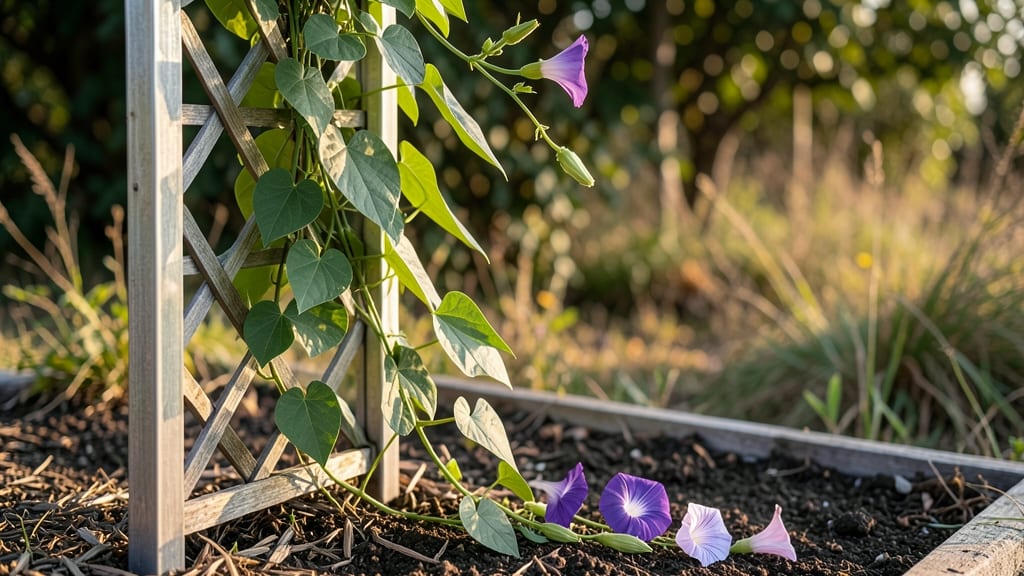
The morning glory flower season unfolds like clockwork—each zone has its own rhythm, from the first blush of spring in Zone 3 to the lingering blooms of fall in Zone 11.
If you’ve ever admired the vibrant blue, purple, or pink spirals of morning glories climbing your fence, you know their fleeting beauty makes timing everything—especially since their bloom season varies wildly by USDA hardiness zone.
In cooler climates like Zone 6a, where I garden, the show starts in early June and peaks through August, while warmer regions like Florida enjoy blooms from March through October. That’s a five-month difference in peak viewing!
Below, I’ll break down the exact months for your zone, plus three proven tricks to stretch that season longer—because once those vines take over, you’ll want every extra day of their show.
Morning glory flower season by USDA Plant hardiness Zone: exact months for peak blooms
Timing your morning glory plantings is key to maximizing their stunning blue, purple, and pink blooms. These fast-growing vines thrive in warm weather but have dramatically different bloom windows depending on your USDA hardiness zone.
In cooler zones like Zone 3-5, expect a shorter but vibrant summer display, while tropical Zone 10-11 gardeners enjoy nearly year-round color with proper care. Understanding these seasonal patterns helps you select the right varieties and plan your garden layout for continuous vertical interest.
Morning glories are annuals in most climates, meaning they complete their life cycle in one growing season. Their bloom duration typically spans 6-12 weeks, but strategic planting and variety selection can extend this window.
Early bloomers like 'Heavenly Blue' may appear as soon as late May in warm zones, while late-season varieties like 'Black Dragon' can linger until October in frost-free areas. Let's break down the exact months for peak blooms by zone to help you plan your garden calendar.
| USDA Zone | Peak Bloom Months | Early Varieties | Late Varieties | Microclimate Tip |
|---|---|---|---|---|
| Zone 3-4 | July - August | 'Scarlet O'Hara' | 'Fountain of Beauty' | Plant near south-facing walls to extend season |
| Zone 5-6 | June - September | 'Heavenly Blue' | 'Star of Yesteryear' | Use black plastic mulch to warm soil |
| Zone 7-8 | May - October | 'Blue Morning Glory' | 'Purple Dawn' | Sow successive plantings every 2 weeks |
| Zone 9-10 | March - November | 'Dwarf Morning Glory' | 'Moonlight' | Provide afternoon shade in summer |
| Zone 11 | Year-round (with care) | 'Alba' | 'Red Showers' | Water deeply during dry spells |
In Zone 3-4, where summers are short, morning glories typically bloom from mid-July through August. The key to success here is selecting heat-tolerant varieties like 'Scarlet O'Hara' that can handle cooler temperatures.
Plant seeds after your last frost date (usually late May) and choose a south-facing trellis to maximize sunlight exposure. These zones often experience earlier frosts, so be prepared to harvest seeds from your best blooms to replant next season.
Gardeners in Zone 5-6 enjoy a longer bloom window from June through September. This zone benefits from succession planting—sow seeds every 2-3 weeks starting in mid-May to ensure continuous blooms. Varieties like 'Fountain of Beauty' are excellent choices as they tolerate cooler nights better than tropical varieties.
Consider using black plastic mulch to warm the soil and give your vines a head start.
For those in Zone 7-8, morning glories can bloom from May through October with proper care. This extended season allows for creative planting strategies, such as interplanting with shorter-lived annuals or using them as a living trellis for vegetables.
Early bloomers like 'Heavenly Blue' often appear by late May, while late-season varieties like 'Purple Dawn' can continue flowering until first frost. In these zones, deadheading spent blooms encourages more flowers and prolongs the season.
Warmer climates in Zone 9-10 experience morning glory blooms from March through November, making them ideal for year-round vertical gardens. Start seeds indoors in February for early blooms, then continue sowing outdoors every 3-4 weeks through summer.
Varieties like 'Dwarf Morning Glory' are perfect for containers, while 'Moonlight' thrives in partial shade. Provide afternoon shade during peak summer months to prevent wilting.
In Zone 11, morning glories can bloom year-round with minimal care, though they may go dormant during cool winter months. Plant seeds in early spring and again in late summer for continuous color.
Choose heat-resistant varieties like 'Red Showers' and ensure consistent moisture during dry periods. These tropical climates allow for experimental growing, such as training vines on arbors or pergolas for dramatic vertical displays.
Regardless of your zone, morning glories thrive in full sun (6+ hours daily) and well-draining soil. Their fast growth rate means they'll climb trellises, fences, or pergolas in just 2-3 weeks, making them perfect for quick garden transformations.
For best results, soak seeds overnight before planting to encourage germination, and water deeply after planting to establish strong roots.
Pro tip: If you love morning glories but live in a cooler zone, try growing them as container plants on patios or balconies. With proper care, you can extend their season by 2-4 weeks compared to in-ground plantings.
Just ensure containers have drainage holes and use a lightweight potting mix to prevent root rot.
🌸
How to extend morning glory season: prolonging blooms with simple gardening hacks
Morning glories are famous for their brief but stunning bloom cycles, but with the right strategies, you can stretch their season by weeks or even months. The key lies in delaying frost damage, encouraging reblooms, and choosing fast-recovering varieties.
Whether you're in Zone 5 or Zone 9, these hacks will keep your vines producing vibrant spirals long after most gardeners have given up.
First, focus on companion planting—pairing morning glories with heat-loving plants like sunflowers or beans creates a microclimate that retains warmth longer. This simple trick can buy you 2-3 extra weeks of blooms before frost arrives.
Combine this with strategic deadheading to redirect energy from spent flowers into new buds, and you'll transform a one-month display into a three-month spectacle.
- 🌱 Start with frost-resistant varieties like 'Heavenly Blue' or 'Star of Bethlehem'—they bounce back faster after cold snaps.
- 💧 Water deeply at dusk to protect roots from late-season frost while keeping soil moisture high for reblooming.
- ✂️ Deadhead daily by pinching off spent blooms—this tricks plants into producing new flowers instead of seeds.
- ☀️ Use black plastic mulch in cooler zones to absorb heat and extend the growing season by 10-14 days.
- 🌿 Plant near evergreens (like boxwood) to shield vines from wind, reducing stress and prolonging blooms.
Don’t overlook the power of light fertilization—a balanced 5-10-10 mix applied every 4-6 weeks during peak bloom keeps vines vigorous. Avoid heavy nitrogen, though, as it promotes foliage over flowers.
Instead, opt for phosphorus-rich fertilizers to boost blooming energy. My personal trick? Mix in a handful of bone meal at planting time for a slow-release phosphorus boost.
For gardeners in warmer climates (Zones 8-11), the challenge shifts to preventing heat stress. Provide afternoon shade during peak summer months using lightweight shade cloth (30-50% coverage). This keeps foliage from scorching while maintaining enough light for continuous blooming.
Pair this with consistent mulching to retain moisture—morning glories are drought-tolerant but rebloom better with steady water.
Timing is everything when it comes to reblooming. If you notice flowers wilting by 10 AM, your vines may be overheating. In this case, prune back leggy vines to encourage new lateral growth, which often produces more blooms.
I’ve seen second flushes appear within 2-3 weeks after a strategic prune—proof that a little maintenance goes a long way!
Finally, embrace seasonal succession planting. Sow a second batch of seeds 4-6 weeks after your first planting for a staggered bloom time. This ensures you’ll have continuous color from early summer through late fall.
Just be sure to choose fast-maturing varieties like 'Scarlet O'Hara' to maximize your display before frost arrives.