
Picking
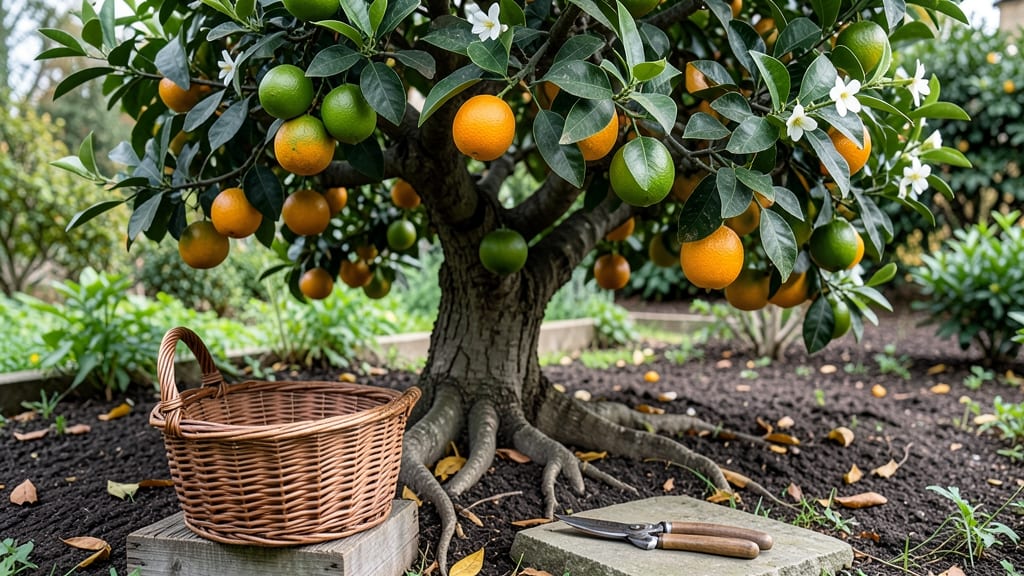
The orange harvesting season is your golden ticket to juicy, sweet fruit—but only if you pick at the perfect time. Imagine biting into an orange that’s still tart or worse, waiting too long and ending up with mealy, flavorless pulp.
The difference between a stellar harvest and a disappointing one often comes down to knowing exactly when to pluck those 🍊 beauties from the tree.
Timing your orange harvest perfectly ensures juicy, flavorful fruit—so why leave it to guesswork? The right months depend on your region, and missing the window means bitter oranges and wasted trees. Whether you're in Florida’s frost-free paradise or California’s coastal valleys, each zone has its own schedule for peak ripeness.
From the first blush of color to the deep, fragrant aroma that fills the air, there are telltale signs your oranges are ready. But here’s the catch: climate, variety, and even last year’s weather can shift those timelines.
I’ll break down the exact months by region, so you never miss the sweet spot again.
Ready to master the art of harvesting? You’ll learn how to spot ripe fruit, avoid common mistakes, and even extend your harvest season with a few pro tips. Let’s get started!

Orange harvesting season by u.s. region: month-by-month guide
Knowing the exact harvesting window for oranges in your region ensures you pick fruit at peak sweetness. Florida’s citrus season kicks off earlier than California’s, while Texas growers enjoy a longer harvest stretch.
Each state’s climate and orange varieties create distinct ripening schedules—miss them, and you’ll end up with tart, underripe fruit or overripe, mealy oranges.
For home gardeners and small-scale growers, timing matters just as much as for commercial farms. A Valencia orange in Florida won’t ripen on the same schedule as a Navel orange in Southern California.
Below, I’ve broken down the peak harvest months by region, including early, mid, and late-season varieties so you can plan your kitchen stockpile—or your farmers’ market trips—like a pro.
If you’re growing dwarf orange trees in containers, your harvest window might shift slightly due to microclimates or container size. For example, a Meyer lemon-orange hybrid in a California container garden could ripen 2-3 weeks earlier than its field-grown counterparts.
Always check the specific variety’s requirements—some, like Calamondin, produce year-round in frost-free zones.
In Florida, the Valencia orange is the star of the late-season harvest, peaking from January through March. These oranges are prized for their juiciness and low acidity, making them ideal for fresh eating and juicing.
Meanwhile, early-season varieties like Hamlin hit their prime in November and December, offering a tart, tangy flavor perfect for marinades or early holiday gifts.
For California growers, the Navel orange season is a highlight, stretching from November through April. These oranges are seedless and easy to peel, making them a favorite for snacking. The Valencia follows, with its peak in December through February, delivering a sweeter, juicier profile.
In Texas’s Rio Grande Valley, the season starts as early as September with Meyer oranges, known for their sweet-tart balance and thin skins.
Don’t overlook regional microclimates—even within a state, elevation and proximity to water bodies can shift harvest times. For instance, high-altitude orchards in Arizona might see Valencias ripen a month later than those in low-lying desert areas.
Pay attention to local weather patterns and adjust your expectations accordingly. If you’re unsure, a quick call to your county extension office can provide hyper-local insights.
Pro tip: Harvest in the morning when temperatures are cooler. This preserves flavor and texture,
How to determine when your oranges are truly ripe (not too early, not too late)
Picking oranges at the perfect moment transforms your tree's bounty from tart to sweetly juicy. But how do you know when they're ready? Unlike grocery store fruit, homegrown oranges ripen on the tree, and harvesting too soon means bitter, seedy disappointment.
The key lies in combining visual cues with simple sensory tests—because climate, variety, and even your local microclimate all play a role.
First, check the skin color—fully ripe oranges develop a deep, uniform orange hue (or yellow for varieties like Meyer lemons). A patchy green tint means they need more time on the tree.
However, don't rely solely on color: some varieties like Valencia oranges stay green until fully ripe, while others like Navel oranges turn bright orange earlier. This is where texture comes into play.
Texture is your secret weapon. Gently press an orange—ripe fruit gives slightly under firm pressure, like a ripe avocado. If it feels rock-hard, it's not ready; if it's mushy, you've waited too long. Also, check how easily it detaches: a ripe orange should twist off the branch with minimal effort. If it resists, it's not there yet.
🚨 WARNING: Harvesting Too Early or Late Can Ruin Your Oranges
- Harvesting green: Unripe oranges are extremely bitter and lack sweetness.
- Overripe on the tree: Soft, wrinkled oranges may fall off—these are past their prime.
- Ignoring climate: Coastal areas ripen earlier than inland due to warmer microclimates.
- Taste-testing only: Some oranges (like Mandarin hybrids) taste sweet even when underripe.
Climate plays a huge role in ripening speed. Oranges in Florida's humid heat may ripen faster than those in California's dry valleys. A sudden temperature drop can stall ripening, while consistent warmth speeds it up.
If your oranges aren't ripening by late fall, check for pests or nutrient deficiencies—healthy trees produce sweeter fruit.
For the ultimate test, cut one orange open. Ripe oranges have brown seed sacs (not white) and juicy, segmented flesh. If the sacs are white, the fruit needs more time.
Pro growers also check the stem end: it should separate cleanly from the tree, revealing a slightly hollowed-out spot where the fruit attached.
Don't forget about aroma—a ripe orange emits a strong, sweet citrus scent. If it smells dull or sour, it's not ready. Once you've confirmed ripeness, harvest in the morning when temperatures are coolest to preserve flavor.
Store ripe oranges at room temperature for up to a week, or refrigerate to extend shelf life.
Now that you know the signs, grab a ladder and start tasting! The first perfectly ripe orange you pick is the best reward for your patience—sweet, juicy, and 100% homegrown. 🍊