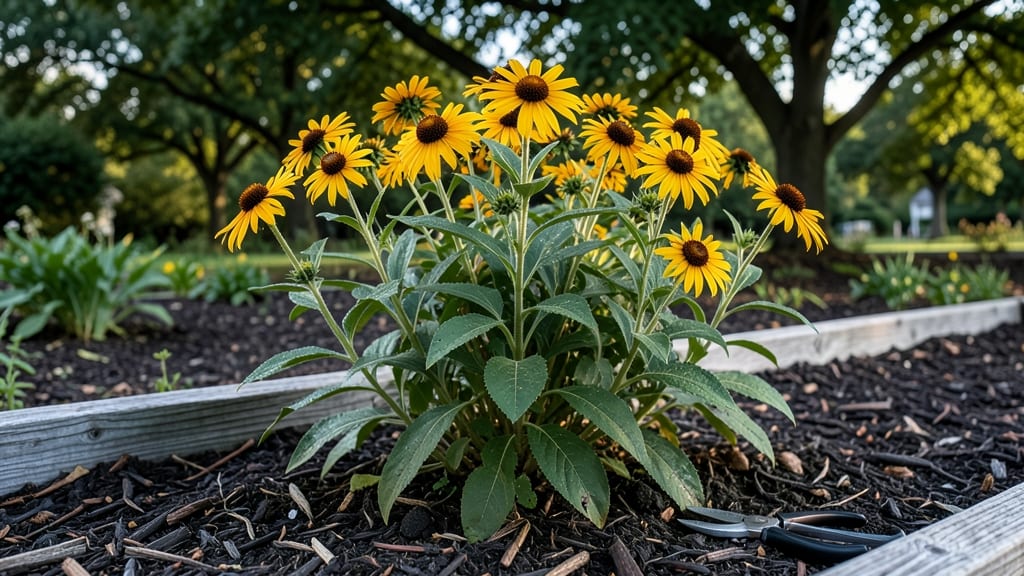
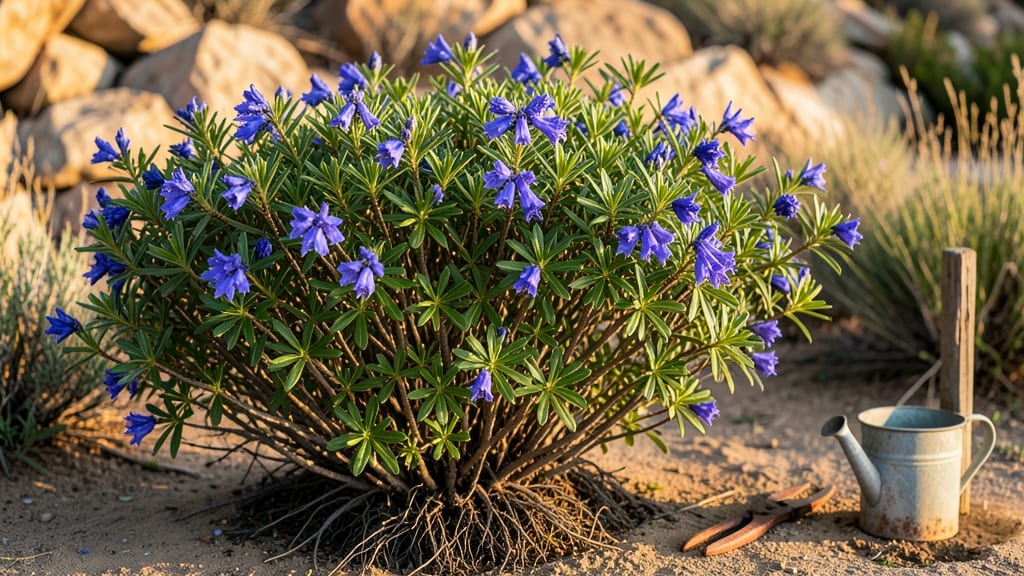
💥 Quick Answer USDA Zone 6 plants include cold-hardy perennials, shrubs, and vegetables like Russian sage, peonies, and kale that thrive in temperatures between -10°F and 0°F (-23°C to -18°C), enduring winter dormancy…
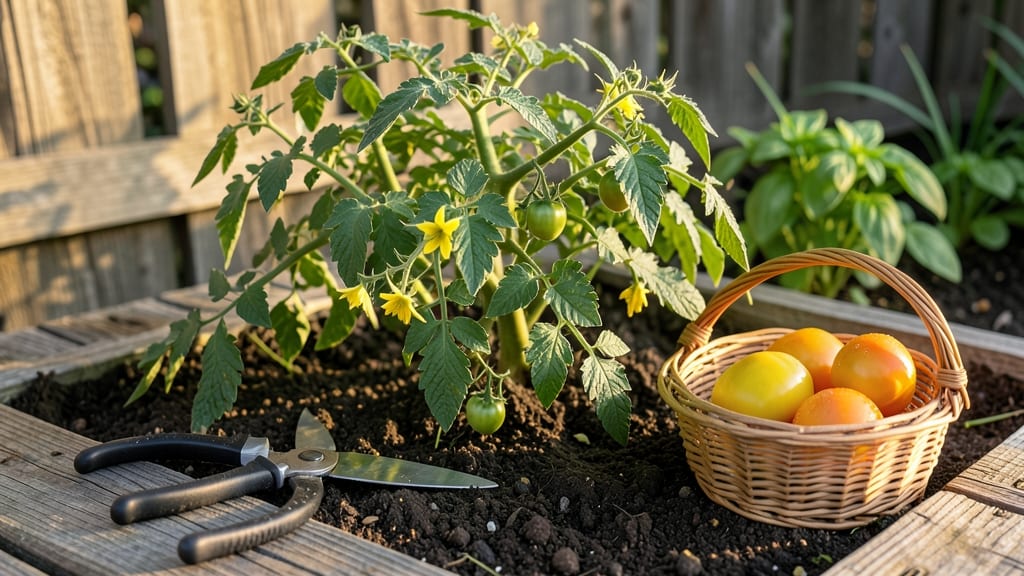
July is when the garden truly delivers— vegetables in season burst with flavor when you know what to plant, harvest, and protect. 🌿 I remember the first time I tasted a homegrown tomato straight off the vine in…
💥 Quick Answer Chicago’s hardiness zone is primarily USDA Zone 5b , though some areas—especially near Lake Michigan—reach Zone 6a due to urban heat and lake-effect warming, while winter temperatures can drop below Zone…
💥 Quick Answer Northeast Ohio falls primarily in USDA Planting Zones 5b to 6a, where cold winters and moderate summers shape the growing season, though local variations near lakes or urban areas can create slightly…
💥 Quick Answer San Diego, California, falls primarily in USDA Hardiness Zone 10a , where winter lows rarely drop below 30°F (-1°C), supporting subtropical and Mediterranean plants like bougainvillea, olive trees, and…
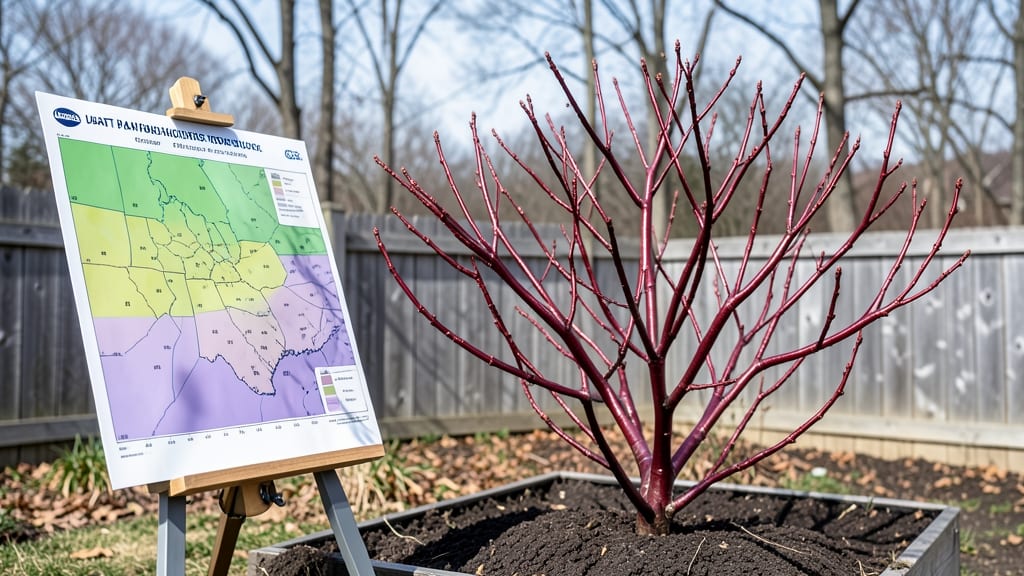
💥 Quick Answer Kentucky falls within USDA Plant Hardiness Zones 5 through 8, with most areas landing in Zones 6 and 7, creating a diverse growing environment for both cold-hardy and heat-tolerant plants. Understanding…
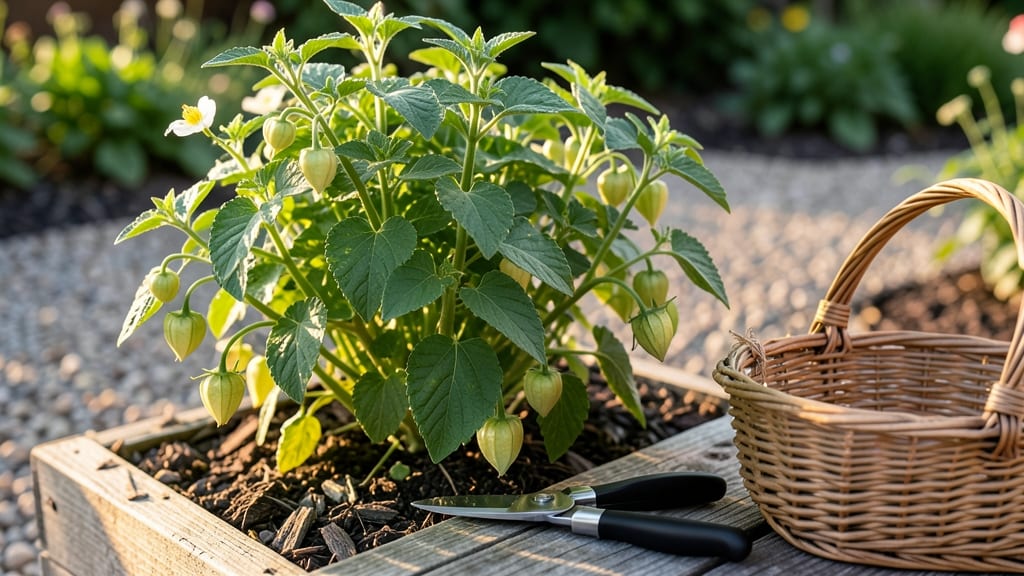
Tomatillos are in season from July through September in most of the U.S., when their tart, citrusy flavor peaks in salsas and stews. If you love the tangy, citrusy flavor of tomatillos in salsas and stews, timing your…
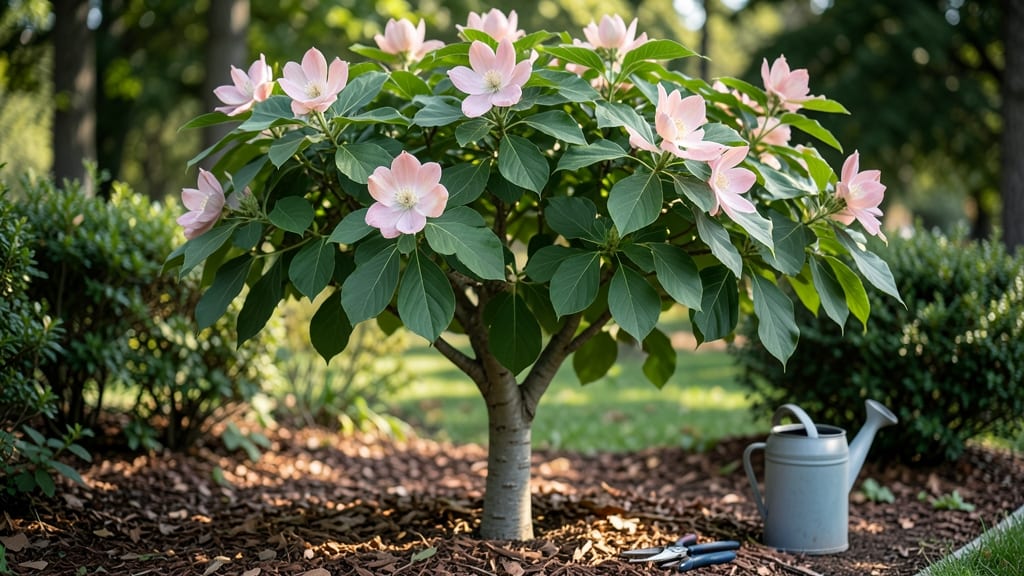
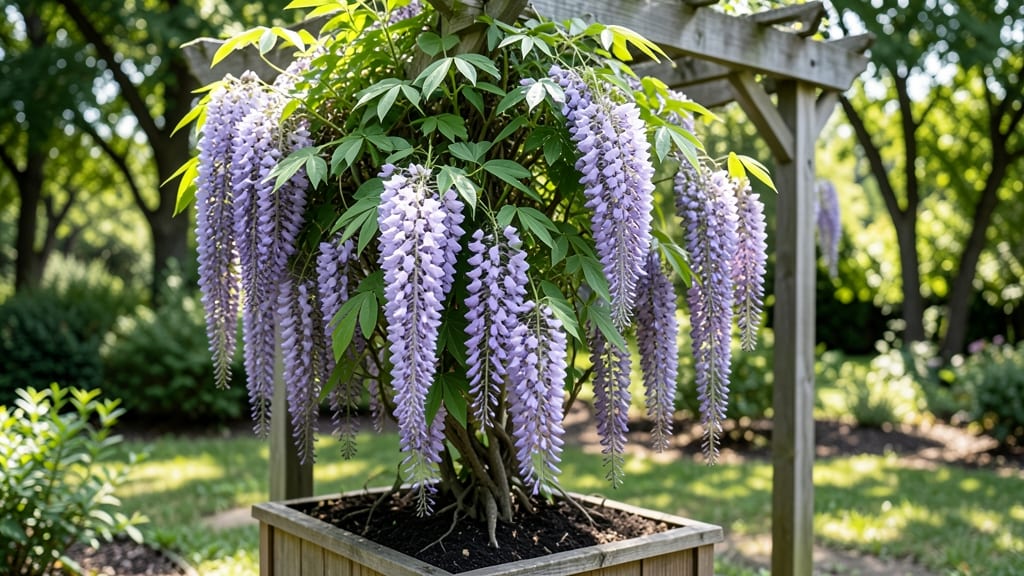
Wisteria’s flowering season delivers those breathtaking 🌸 cascades, but timing it right means never missing the show. Picture this: you’ve waited years for your wisteria to mature, only to blink and realize the blooms…
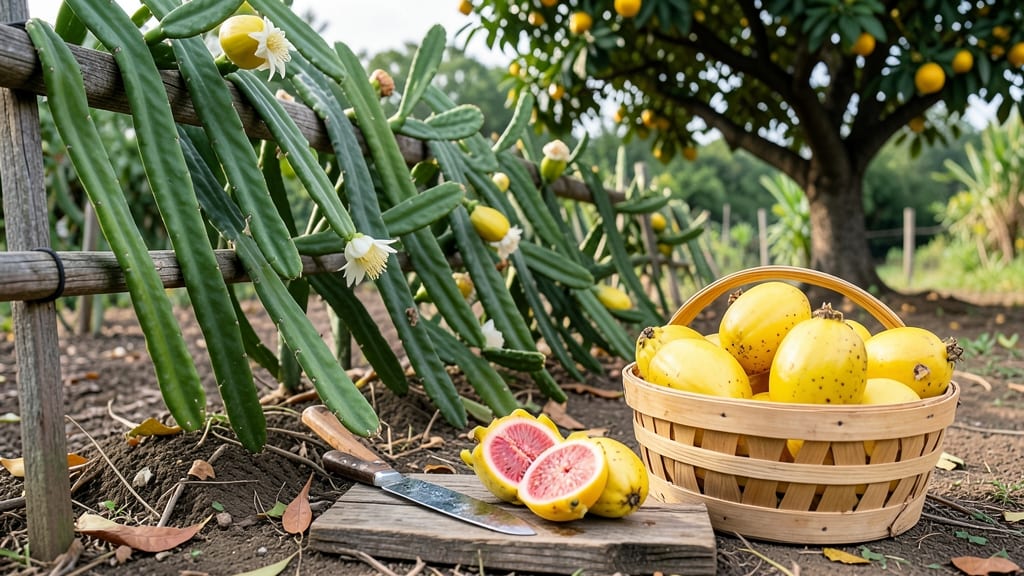
The yellow dragon fruit season is your golden ticket to homegrown sweetness 🐉—but timing is everything. If you’ve ever wondered why your yellow dragon fruit never ripens properly—or when the perfect time to harvest…