
Advice
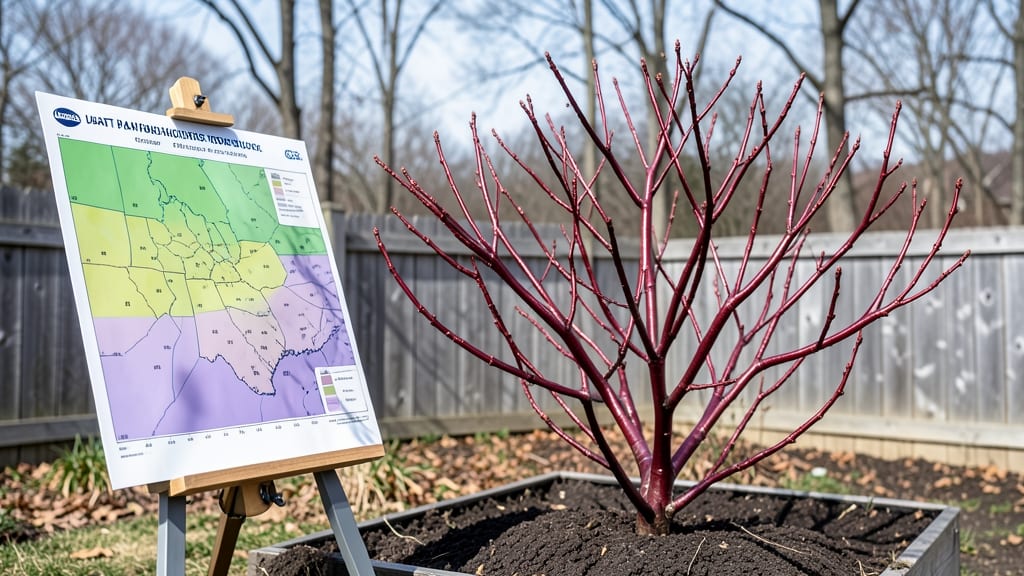
Chicago’s hardiness zone is primarily USDA Zone 5b, though some areas—especially near Lake Michigan—reach Zone 6a due to urban heat and lake-effect warming, while winter temperatures can drop below Zone 5’s minimum (-15°F to -10°F).
Chicago’s hardiness zone classification isn’t one-size-fits-all because of its unique geography. The city’s proximity to Lake Michigan creates a moderating effect, pushing coastal neighborhoods into Zone 6a where winter temperatures are slightly milder.
Meanwhile, the urban heat island phenomenon raises temperatures in downtown areas, creating microclimates that can support marginally harder plants. 🌿 For gardeners, this means selecting cold-tolerant varieties for northern suburbs while opting for slightly more heat-resistant plants near the lakefront.
Understanding these variations helps explain why some plants thrive in one part of the city but struggle just a few miles away. The USDA zone map provides a baseline, but Chicago’s local conditions often require adjustments—like choosing early-blooming perennials for cooler zones or heat-loving annuals for urban pockets.
This nuanced approach ensures your garden flourishes regardless of where you live in the city.
💡 In This Article
- How Chicago’s Lake and Urban Heat Affect Plant Hardiness
- Best Plants for Chicago’s Mixed Hardiness Zones
How Chicago’s lake and urban heat affect plant hardiness
Chicago’s hardiness zone isn’t just about the numbers—it’s a puzzle shaped by Lake Michigan’s massive influence. The lake acts like a giant heat sink, absorbing warmth during summer and releasing it slowly in winter.
This creates a 3-5°F warmer average in coastal areas like Lincoln Park or Rogers Park compared to inland neighborhoods.
For example, while O’Hare (Zone 5b) might see -10°F lows, lakefront areas near Navy Pier rarely drop below -5°F, pushing them into Zone 6a territory. 🌊 The effect extends 1-2 miles inland, creating a buffer zone where gardeners can push the limits on marginally hardy plants like viburnums (Zone 2-6) or hydrangeas (Zone 3-9).
The urban heat island phenomenon adds another layer of complexity. Downtown Chicago’s concrete jungle can be 5-10°F warmer than the suburbs, especially at night. This means plants in the Loop might survive Zone 6a conditions when the same species would struggle in Zone 5b areas like Cicero.
The effect is most pronounced in dense commercial districts where asphalt and glass absorb daytime heat and radiate it back at night.
Even wind plays a role—exposed areas near the lake experience higher wind chills in winter, which can make frost risk worse for delicate plants despite the warmer average temperatures.
Microclimates create even more variation within neighborhoods. A south-facing yard in Edgewater might be Zone 6a thanks to afternoon sun, while a north-facing garden in Logan Square could function more like Zone 5b.
Parks like Millennium Park act as heat sinks during the day but can develop frost pockets at night due to their open, elevated spaces. For gardeners, this means observing your specific microclimate for 3-5 years is more valuable than relying solely on the USDA map.
Simple tools like a minimum thermometer can reveal your true winter lows—often 5°F colder than official zone averages.
Wind exposure adds another critical variable. Areas near the lake experience consistent 10-15 mph winds year-round, which can dry out soil and increase frost risk for shallow-rooted plants. This is why windbreaks like hedges or fences are essential for protecting tender perennials.
The lake breeze also creates summer humidity fluctuations, which affects how quickly plants transpire water—something to consider when selecting drought-tolerant varieties for lakefront gardens. These wind patterns explain why some Zone 6a plants thrive near the lakefront but may struggle in sheltered suburban backyards just a few blocks inland.
Even Chicago’s elevational differences play a role. Areas like Lincoln Park (578 ft elevation) experience slightly cooler nights than downtown (577 ft), creating subtle but measurable temperature variations.
The city’s urban canopy also traps heat differently in various districts—downtown’s glass skyscrapers create heat islands, while residential areas with more green space maintain cooler temperatures.
For precise planting, consider these factors when selecting plants: Zone 5b areas need extra winter protection, while Zone 6a pockets can support marginally harder species with proper siting.
What most gardeners don’t realize is how soil composition interacts with these climate factors. Sandy soils near the lake drain quickly, creating drier conditions that can stress plants during heatwaves, while clay-heavy soils in southern suburbs retain moisture but can develop waterlogged pockets.
This is why amending soil with compost becomes even more critical in Chicago’s varied microclimates—it helps buffer against both extreme heat and cold.
The city’s average last frost date (April 20) and first frost date (October 10) also vary by 7-10 days depending on location, making timing everything for seasonal planting.
For practical application, start by mapping your property’s exposure: Is it lake-facing, urban-core, suburban, or transitional? Then adjust your plant selection accordingly. Coastal areas can handle Zone 6a plants like butterfly bush (Buddleia davidii), while inland zones might struggle.
The key is layering plants with different hardiness zones—using Zone 4 perennials as anchors surrounded by Zone 5-6 fillers creates a resilient garden that thrives despite Chicago’s climate quirks. 🌿