
Planting
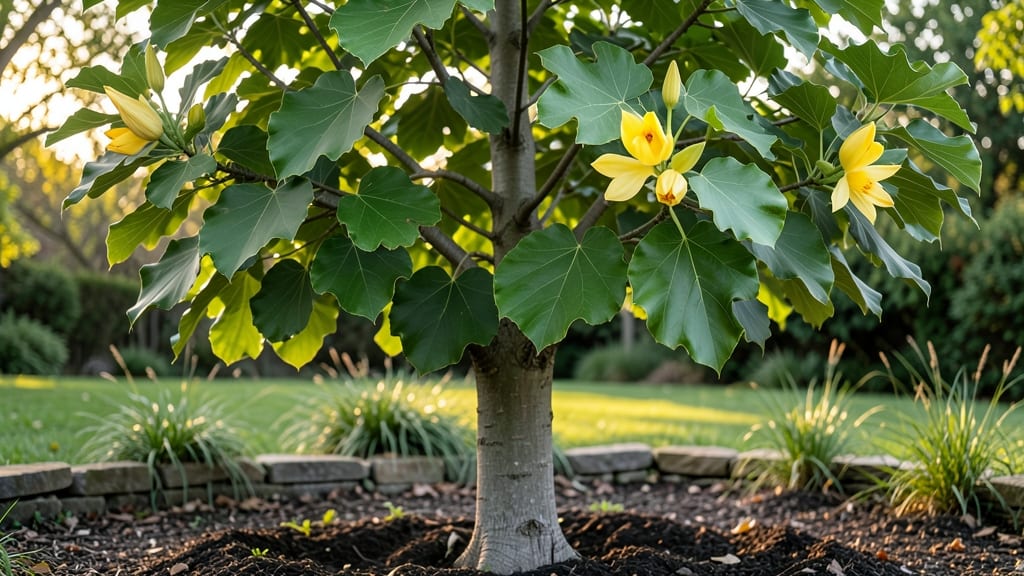
Kentucky falls within USDA Plant Hardiness Zones 5 through 8, with most areas landing in Zones 6 and 7, creating a diverse growing environment for both cold-hardy and heat-tolerant plants.
Understanding Kentucky's zones helps you choose the right plants for your specific location.
The state's varied geography—from the cooler Appalachian Mountains in the east to the warmer Bluegrass region in the west—creates microclimates that affect planting success. 🌱 For example, Zone 5 areas in northern Kentucky can experience harsher winters, while southern counties in Zone 8 enjoy longer growing seasons.
This diversity means gardeners can grow everything from peonies (Zone 3-8) to fig trees (Zone 8-11) with proper planning.
What sets Kentucky apart is how quickly conditions can shift between zones over short distances. A backyard in Louisville might be Zone 7, while a neighbor just a few miles away in a valley could be Zone 6 due to cold air settling.
This is why checking your exact location on the USDA interactive map is crucial before purchasing plants. The elevation changes in the Appalachians create particularly dramatic shifts, with some highland areas dropping into Zone 4 territory.
💡 In This Article
- Kentucky’s USDA Zones Explained: Climate and Elevation Factors
- Best Plants for Kentucky Zones 5-8: A Gardener’s Guide
Kentucky’s USDA zones explained: climate and elevation factors
Kentucky's diverse geography creates its unique spread across USDA Plant Hardiness Zones 5 through 8.
The state's latitude plays a major role—northern counties like Hopkinsville (Zone 6b) experience average minimum winter temperatures of -5°F to 0°F, while southern areas like Paducah (Zone 7b) rarely drop below 10°F to 15°F.
This 15°F temperature difference between north and south directly correlates to the zone boundaries, as each zone represents a 10°F temperature range.
The Appalachian Mountains in eastern Kentucky create dramatic microclimates through elevation changes. For example, the Black Mountain area in Letcher County sits at 4,145 feet and falls into Zone 5b, where winter lows can hit -15°F.
Just 20 miles away in the valley, temperatures may only reach 0°F, placing it in Zone 6a. This elevation-driven shift of 10°F over short distances is why gardeners in eastern Kentucky must pay close attention to local conditions rather than relying solely on county-wide zone designations.
Another critical factor is Kentucky's continental climate, which brings cold air masses from Canada during winter and hot, humid air from the Gulf of Mexico in summer. These polar jet stream interactions create unpredictable cold snaps that can push Zone 6 areas into Zone 5 conditions for brief periods.
For instance, the 2014 polar vortex dropped temperatures to -20°F in northern Kentucky—well below Zone 5's expected -15°F minimum. This variability is why experienced gardeners in marginal zones often use row covers or cold frames to protect tender plants during unexpected freezes.
The western Bluegrass Region maintains more stable conditions due to its lower elevation and proximity to the Ohio River, which acts as a heat sink. Cities like Lexington (Zone 6b) enjoy 200-220 frost-free days annually, while northern counties like Henderson (Zone 6a) average just 180 days.
This 20-day growing season difference significantly impacts what can be successfully cultivated—tomatoes thrive in southern zones but may struggle in northern areas without proper season extension techniques.
Urban heat islands also create localized zone variations.
Downtown Louisville's concrete and asphalt can raise temperatures by 3-5°F compared to surrounding rural areas, effectively shifting some city neighborhoods into Zone 7b where they might otherwise be Zone 7a. This urban warming effect is particularly noticeable during summer months when pavement temperatures can exceed 120°F, creating microclimates suitable for heat-loving plants like okra or sweet potatoes that might otherwise be marginal in Kentucky's zones.
What most gardeners don't realize is how soil type interacts with these climate factors. The limestone-rich soils of central Kentucky drain quickly, creating drier conditions that can stress plants during summer droughts. Meanwhile, the clay-heavy soils in western Kentucky retain moisture longer, extending the growing season for moisture-sensitive crops.
Understanding these local variations allows gardeners to select plants that match both their zone AND soil conditions for optimal success.