
Vegetables
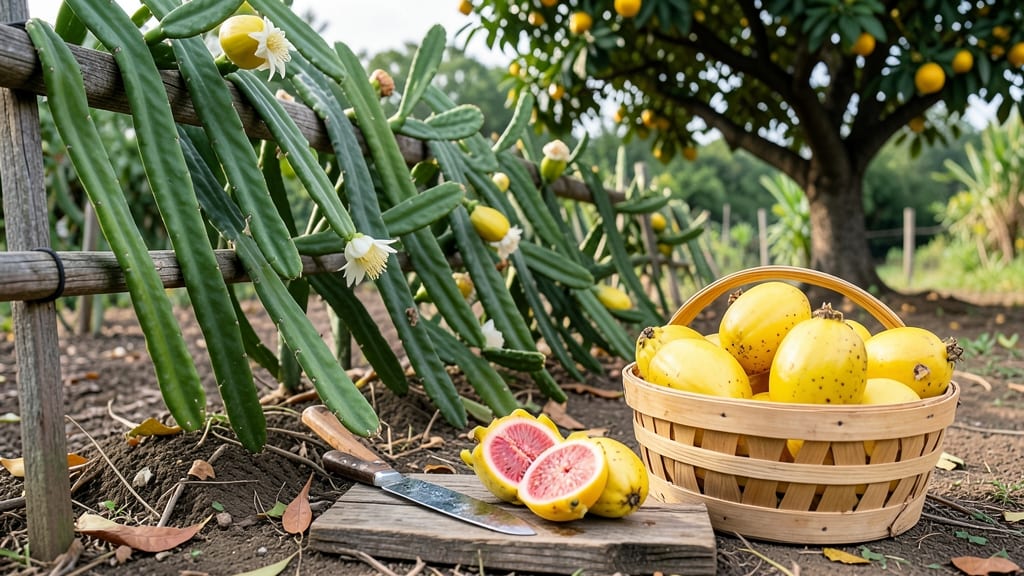
The yellow dragon fruit season is your golden ticket to homegrown sweetness 🐉—but timing is everything.
If you’ve ever wondered why your yellow dragon fruit never ripens properly—or when the perfect time to harvest is—you’re not alone. This vibrant fruit thrives on timing, and mastering its season can transform your garden into a year-round supply of sweet, creamy treats.
In tropical and subtropical regions like USDA zones 10-12, dragon fruit flowers year-round, but peak fruiting depends on temperature and daylight. Yellow-fleshed varieties often ripen slightly earlier than red ones, giving you a head start on harvests if you plan ahead.
Below, I’ll break down the exact flowering to fruit cycle, how to spot the ideal harvest window, and care tweaks to maximize your yield—so you never miss another season again.
Understanding yellow dragon fruit season: climate zones and planting timing
Growing yellow dragon fruit (Hylocereus undatus) successfully hinges on understanding your USDA hardiness zone and seasonal cycles. Unlike tropical regions where dragon fruit thrives year-round, subtropical zones (8-11) require careful timing to avoid frost damage and maximize flowering.
The key difference? Tropical climates support continuous growth, while subtropical zones need strategic planting to align with warmer months.
In USDA zones 10-11, dragon fruit plants can grow outdoors year-round, but flowering typically peaks during spring and summer months (March-September). For zones 8-9, plant in late spring after last frost (May-June) to ensure warm temperatures trigger blooming.
Cold snaps below 40°F (4°C) can stunt growth or kill plants, so container growing with winter protection is ideal for cooler areas.
Here’s how temperature affects each growth stage:
| Climate Zone | Ideal Planting Window | Flowering Peak | Harvest Season | Critical Temp Alert |
|---|---|---|---|---|
| Zones 10-11 (Tropical) | Year-round (best after rains) | Spring-Summer (Mar-Sep) | Fall-Winter (Oct-Feb) | Below 50°F (10°C) risks damage |
| Zones 8-9 (Subtropical) | Late spring (May-June) | Summer (Jun-Aug) | Late summer-fall (Sep-Nov) | Below 40°F (4°C) kills plants |
| Zones 7 (Microclimates) | Containers (move indoors winter) | Summer (Jul-Aug) | Early fall (Sep-Oct) | Any frost = plant death |
Avoid the common mistake of planting too early in cooler zones. Young dragon fruit plants need consistent warmth (75-90°F / 24-32°C) to establish roots before flowering. In zone 8, for example, planting in April (instead of March) ensures soil stays above 60°F (15°C), preventing root rot.
Use mulch to retain heat and drip irrigation to maintain moisture during dry spells.
For yellow-fleshed varieties, timing is even more critical. These require slightly cooler nights (65-75°F / 18-24°C) to develop their signature color, unlike red-fleshed types that thrive in hotter climates (80°F+ / 27°C+).
In zone 10, prune aggressively after harvest (Dec-Feb) to encourage new growth for the next spring flowering cycle. This pruning trick forces the plant to redirect energy toward fruit production rather than vegetative growth.
Temperature also dictates flowering cues. Dragon fruit flowers open at night (9 PM - 1 AM) and must be pollinated by bats or hand-pollinated with a small brush. In subtropical zones, cooler summer nights (below 70°F / 21°C) can delay flowering.
To compensate, use black plastic mulch to raise soil temps by 5-10°F (3-6°C) during critical months (June-July).
Harvest timing varies by zone: in tropical zones (10-11), fruits ripen 6-8 months after flowering, while in subtropical zones (8-9), the cycle stretches to 8-10 months due to slower growth.
Watch for three key signs: skin color change, slight softness when pressed, and a dry stem end. In zone 9, harvest by November to avoid winter chill that can cause fruits to split or rot.
Pro tip: In container gardens, move pots to sheltered locations (e.g., greenhouses or covered patios) when night temps drop below 60°F (15°C). This extends the growing season by 2-3 months in marginal zones.
Pair this with phosphorus-rich fertilizer (like bone meal) in late summer to boost flowering for next year’s crop.
Remember, yellow dragon fruit is more finicky than its red-fleshed cousin. Pay attention to microclimates—a sunny wall or greenhouse can add 10°F (5°C) of warmth, making it possible to grow in zone 7 with winter protection.
Start small, track your plant’s response to local conditions, and adjust timing each year for a reliable harvest.
How to ripen yellow dragon fruit at home: step-by-step ripening guide
Yellow dragon fruit (Hylocereus undatus) ripens best when you understand its natural ethylene production cycle. Unlike store-bought fruits, homegrown dragon fruit needs patience and the right conditions to develop its signature bright yellow skin and sweet flesh. The key lies in balancing temperature, humidity, and exposure to ripening gases.
Start by selecting fruits that show early color changes—like faint yellow patches or a slight softening. These are the best candidates for ripening at home. If your fruit stays green or feels rock-hard, it may need additional time or environmental adjustments to trigger the ripening process.
⚠️ callout warning
Yellow dragon fruit rots quickly once fully ripe. Harvest just before full color (80-90% yellow) for peak flavor. Store at 55-60°F to slow ripening. Never refrigerate—cold damages the delicate flesh.
Place your dragon fruit in a paper bag with a ripe banana or apple to boost ethylene levels. Seal the bag loosely and store it in a warm, dark spot (like a pantry) for 3-5 days.
The ethylene gas from the banana will speed up the ripening process, turning the skin from green to vibrant yellow.
Monitor the fruit daily for color progression and texture changes. A ripe yellow dragon fruit should feel slightly soft when gently squeezed and emit a sweet, floral aroma. If the skin remains green after 7 days, try increasing the temperature to 75-80°F—warmer conditions accelerate ripening.
For stubborn green fruits, try the "sunlight trick": Place the fruit in direct sunlight for 2-3 hours daily. The heat and light can trigger natural ripening hormones. However, avoid extreme heat, which may cause the fruit to overripe or develop sunburn spots.
Once fully ripe, your yellow dragon fruit should have a bright, even yellow skin and a slightly wrinkled stem end. Cut it open to reveal the creamy, seed-speckled flesh—now you’re ready to enjoy the sweet, tropical reward of your gardening efforts! 🌱