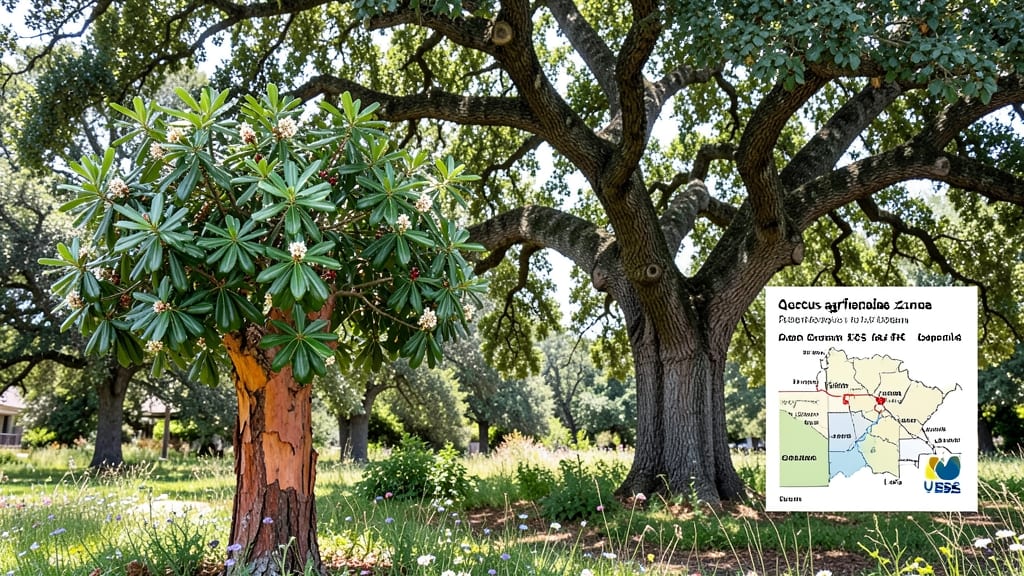
💥 Quick Answer Understanding California gardening zones is essential because they range from USDA Zone 5 in high mountain regions to Zone 11 in coastal deserts, with most areas falling between Zones 7 and 10. Your…
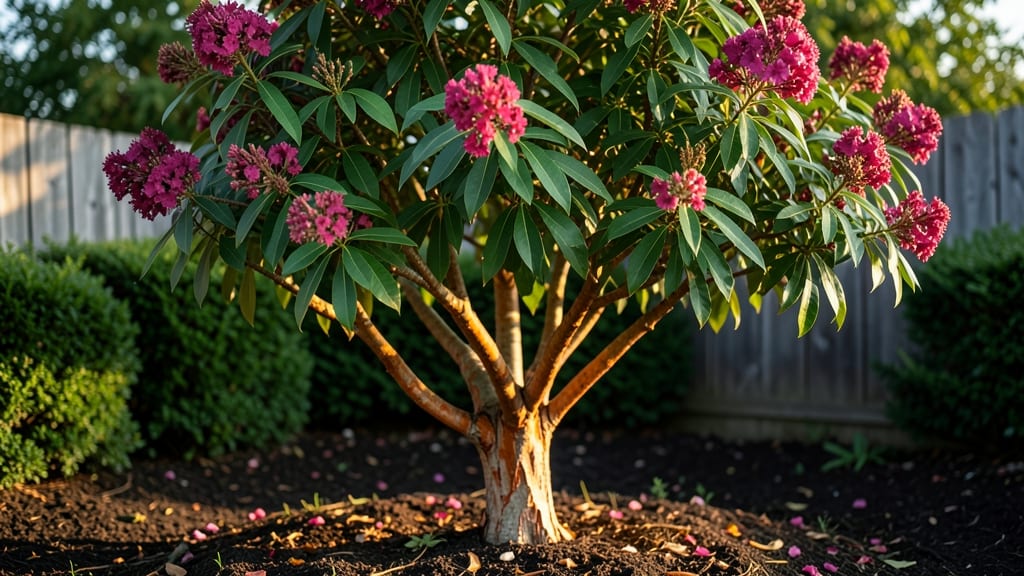
💥 Quick Answer Crape myrtles can thrive in Zone 6 with the right winter care strategies: select frost-resistant varieties like 'Muskogee' or 'Acoma,' apply thick mulch around the base, wrap trunks with burlap, and prune…
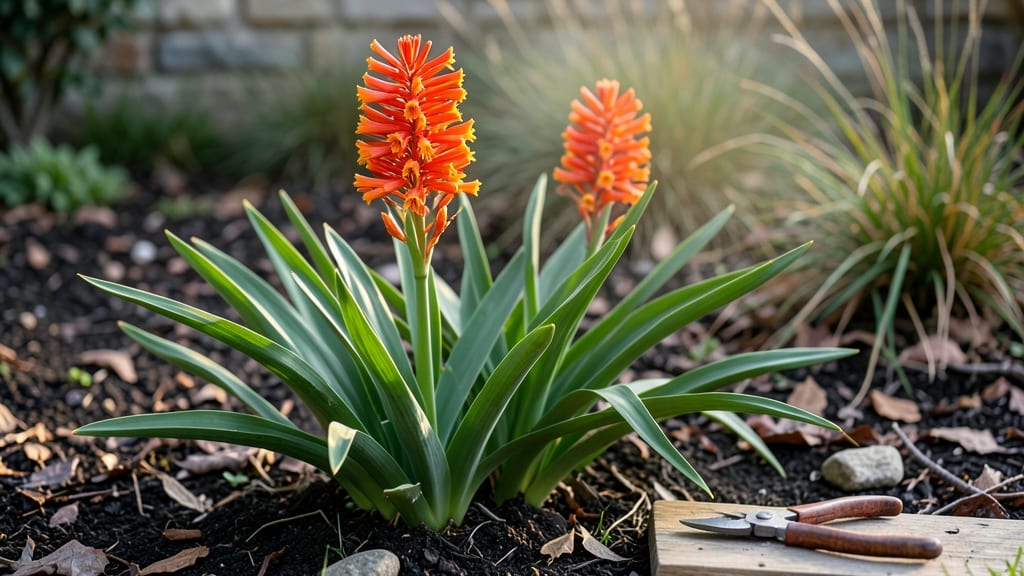
💥 Quick Answer Crocosmia grows best in USDA hardiness zones 5 through 9, where it thrives in temperate climates with well-drained soil and full sun exposure. For strongest root development, plant in early spring or fall…
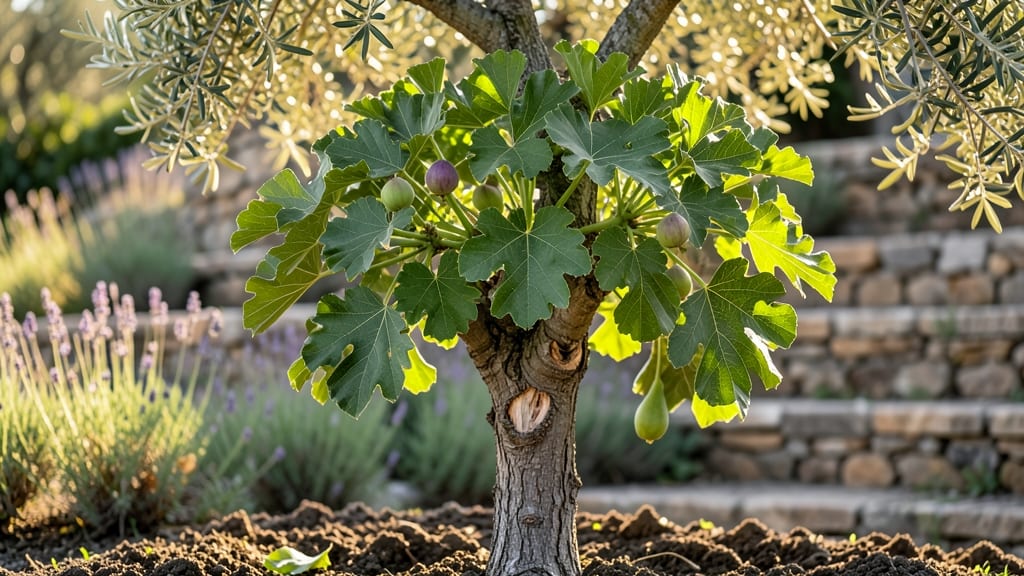
💥 Quick Answer Growing figs in Zone 6 is absolutely possible with the right preparation: choose cold-hardy varieties like 'Chicago Hardy' and 'Celeste' that can withstand temperatures down to -15°F, plant in…
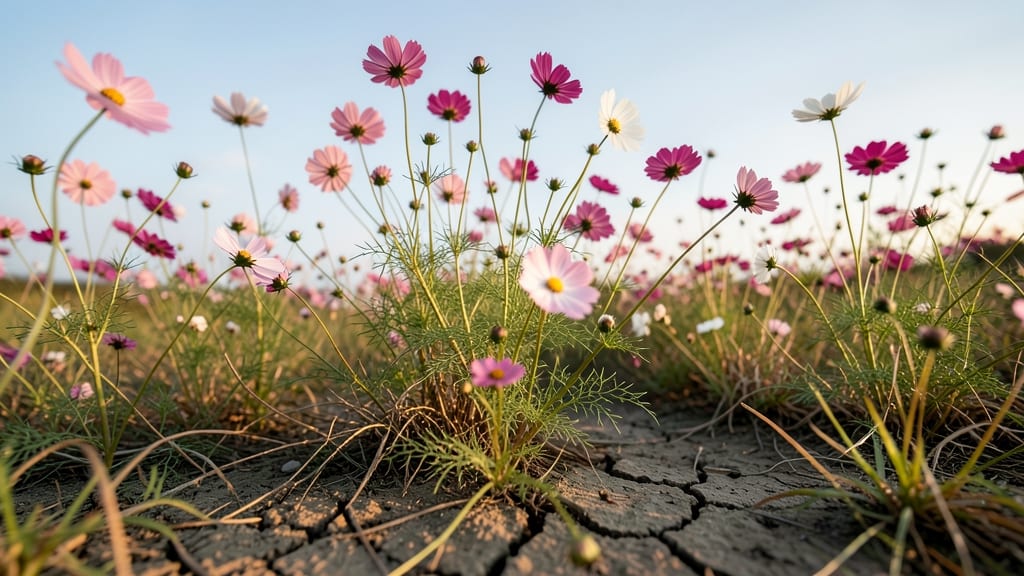
September brings a stunning palette of late-summer blooms that defy cooler temperatures. These ten flowers not only thrive in autumn's crisp air but also add dramatic color to gardens, bouquets, and landscapes. Perfect…
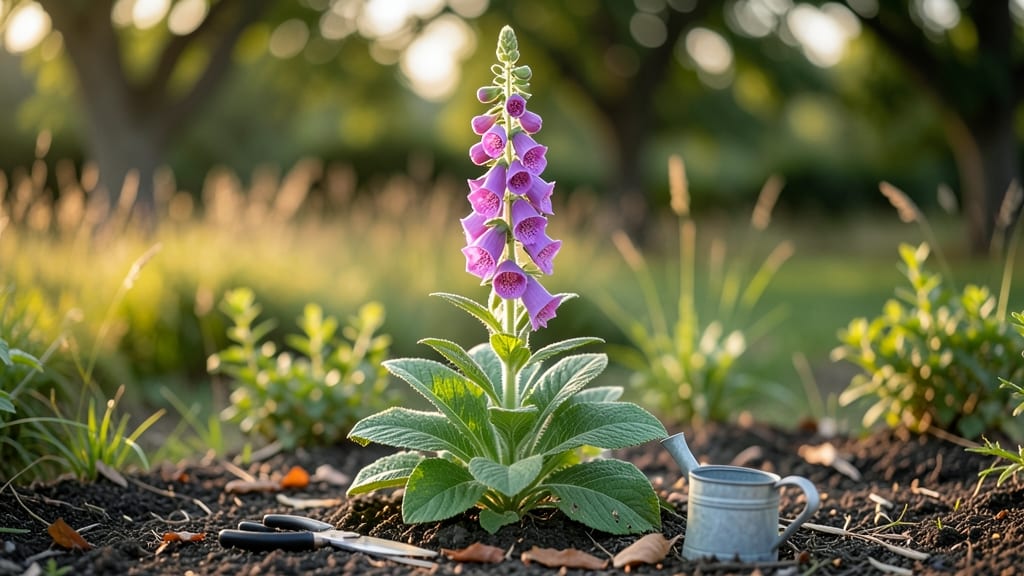
Foxglove flowering season brings those iconic bell-shaped blooms 🌸 to gardens—but only if you plant and care for them just right. Picture this: You’ve waited all year for your foxglove to burst into color, only to stare…
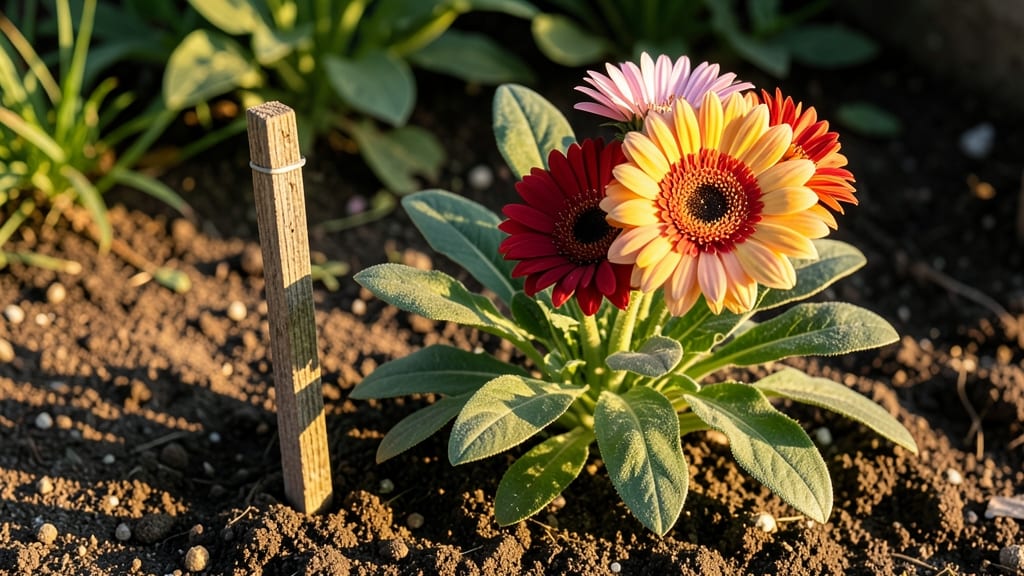
The gerbera blooming season runs from late spring through fall, with peak color bursts that make your garden pop—but only if you time their care right. 🌼 Picture this: you’ve waited all winter for your bright gerbera…
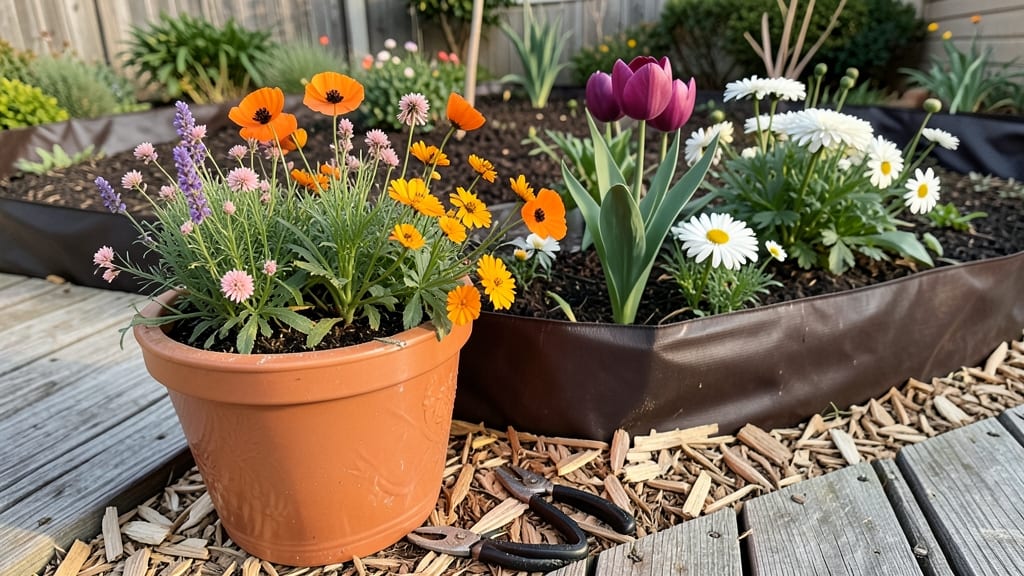
Learn how to create a seasonal flower display that keeps your garden vibrant all year—no summer-only blooms required. 🌸 The secret lies in layering plants that shine in every season, from early spring bulbs to winter…
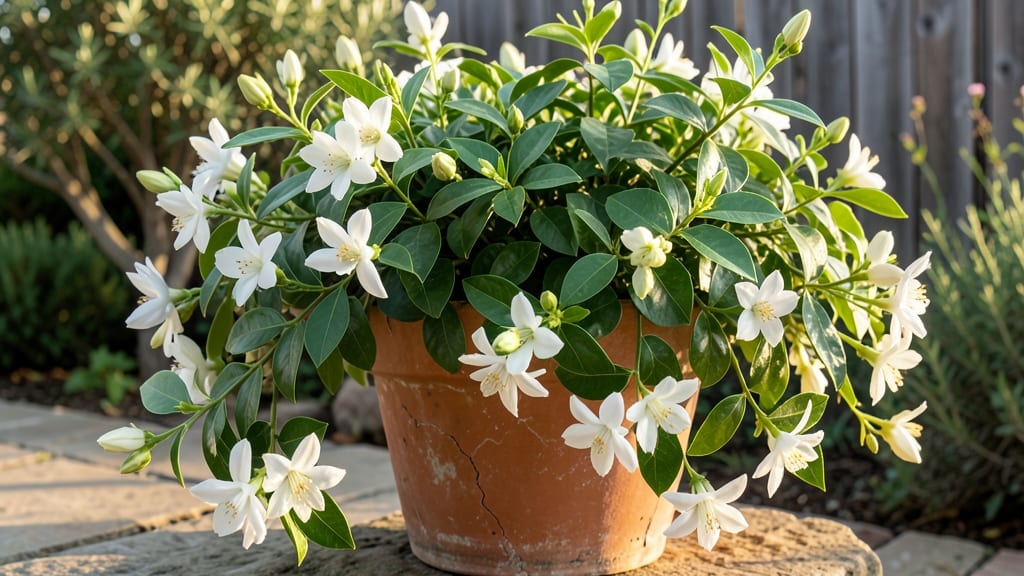
💥 Quick Answer Jasmine thrives best in USDA growing zones 7 through 10, where its delicate blooms flourish under warm climates and gentle winters. Varieties like Arabian jasmine (zone 9-11) and common jasmine (zone…