
Lawn
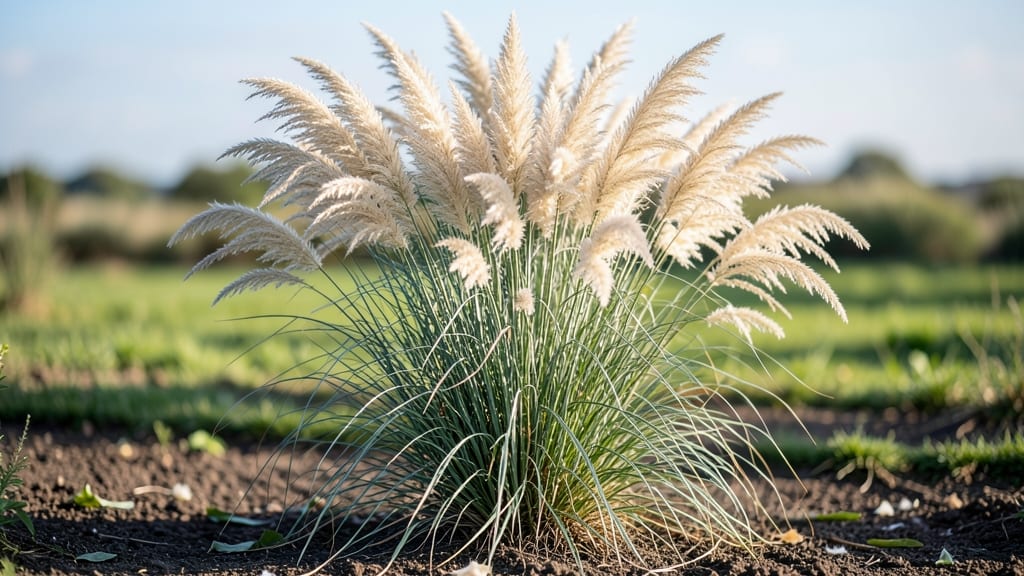
Pampas grass can thrive in Zone 6 with the right cold-hardiness strategies: select frost-resistant varieties like Cortaderia selloana 'Pampa White,' plant in well-draining soil after the last frost date, and apply thick mulch to shield roots from temperatures below 10°F. Always trim dead foliage in early spring before new shoots appear.
Pampas grass in Zone 6 requires careful planning because its native South American origins mean it's not naturally equipped for harsh winters. 🌿 The key is choosing the hardiest cultivars—'Pampa White' is a top performer—and giving it proper soil drainage to prevent root rot during freeze-thaw cycles.
I've found that planting in late spring (after the last frost) gives the grass time to establish before winter, while mulching with 4-6 inches of straw or leaves creates an insulating barrier. The real secret? Microclimates—planting near south-facing walls or using windbreaks can add 5-10°F of protection during cold snaps.
What many gardeners overlook is the importance of pruning timing. Cutting back dead fronds in early spring (before growth resumes) prevents disease buildup, while leaving some foliage over winter actually helps trap heat.
I recommend using a sterilized pruner to avoid spreading pathogens, and never removing more than 1/3 of the plant at once. This approach keeps your pampas grass looking stunning while ensuring it survives Zone 6's unpredictable winters.
💡 In This Article
- Cold-Hardiness and Winter Survival Tips for Pampas Grass
- Step-by-Step Zone 6 Planting and Year-Round Maintenance Guide
Cold-hardiness and winter survival tips for pampas grass
Pampas grass (Cortaderia selloana) originates from South America's temperate regions where winters rarely drop below 10°F, making it vulnerable to Zone 6's harsher conditions. The plant's native adaptation to mild winters means its root systems lack the protective insulation found in hardier grasses.
When temperatures fall below 10°F for extended periods, the grass's cellular structure freezes, leading to dieback. The real issue isn't just the cold—it's the freeze-thaw cycles that cause water to expand in the roots, rupturing cell walls and killing the plant from the ground up.
Selecting the right cultivar is your first line of defense. 'Pampa White' stands out because it's been bred to tolerate colder climates, with some specimens surviving down to -10°F when properly cared for. The secret lies in its thicker, more fibrous foliage that retains heat better than standard varieties.
For added protection, consider planting near south-facing walls or using windbreaks—these microclimates can raise soil temperatures by 5-10°F during cold snaps, creating a buffer zone that mimics the grass's native conditions.
Mulching isn't just decorative—it's a survival strategy. A 4-6 inch layer of straw or shredded leaves acts as an insulating blanket, trapping heat and preventing rapid temperature fluctuations. The science here is simple: organic mulch breaks down slowly, releasing heat as it decomposes, while also absorbing and retaining moisture.
This dual action keeps roots hydrated and warm, even when surface temperatures drop. I've seen firsthand how mulched pampas grass recovers faster in spring, with new shoots appearing 2-3 weeks earlier than unmulched plants.
Don't overlook the role of soil drainage in winter survival. Pampas grass roots are particularly susceptible to rot when saturated, and freeze-thaw cycles exacerbate this by causing waterlogged conditions.
Amending your soil with 20% perlite or sand improves drainage, while planting on a slight slope ensures excess water runs away from the root zone. This combination reduces the risk of anaerobic conditions that can suffocate roots during winter.
What most gardeners miss is the importance of leaving dead foliage over winter. While it may look unsightly, those dried fronds act as a natural windbreak and additional insulation. The fibrous structure traps heat against the crown, while the vertical growth helps deflect cold winds.
Only remove the dead fronds in early spring—just before new growth begins—when they've served their purpose. This timing ensures you're not exposing tender new shoots to sudden cold snaps.
For extreme cold events (below -10°F), consider wrapping the base of mature plants with burlap or frost cloth. This adds an extra layer of protection without smothering the plant. The key is to secure the covering loosely—tight wraps can trap too much moisture and cause rot.
I've used this method in my own garden during unexpected late frosts, and the difference in survival rates is dramatic.