
Blooming
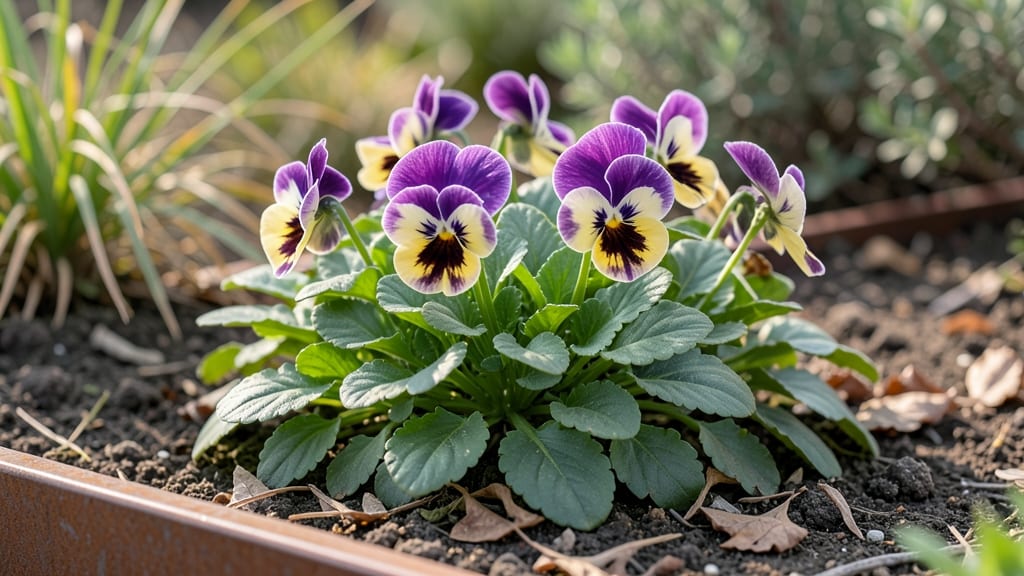
The pansy blooming season stretches from late winter through early summer, when their vibrant colors transform gardens—but timing varies by zone and planting.
If you’ve ever planted pansies only to watch them bolt or fade before they truly shine, you’re not alone. The key to a long, cheerful display lies in understanding when your zone’s frost dates align with their natural cycle.
From Zone 3’s late May bursts to Zone 10’s winter blooms, each region has its own window for peak flowering. I’ll break down the months you can expect those classic faces in your garden, plus how to coax extra weeks of color with simple tricks.
Whether you’re planning a spring border or extending fall interest, you’ll learn how to time your planting for maximum impact and keep your pansies looking their best from start to finish.
Pansy blooming season by USDA Zone: exact months for peak flowers
Pansies are the unsung heroes of early spring gardens, but their blooming window shifts dramatically across USDA zones 3-11. In colder climates like Zone 3, they brave late winter frost for March blooms, while Zone 11 gardeners enjoy year-round color with proper care.
The key? Understanding your zone’s first frost dates and choosing frost-tolerant varieties for extended displays.
Northern gardeners (Zones 3-6) often plant pansies in early fall for spring blooms, while Southern gardeners (Zones 7-11) can enjoy fall and winter flowers. Coastal areas may see earlier blooms due to milder winters, while inland regions face shorter blooming windows.
Let’s break down the exact months for peak pansy color by zone, plus how to adjust planting for maximum impact.
Pro Tip: Use mulch in Zones 3-6 to protect roots during winter freezes, and deadhead spent blooms to encourage continuous flowering.
| USDA Zone | Peak Blooming Months | Frost Sensitivity | Planting Window | Best Varieties |
|---|---|---|---|---|
| Zones 3-4 | March–May | High (below 20°F) | Early September–October | 'Cool Wave', 'Matrix' |
| Zones 5-6 | April–June | Moderate (below 25°F) | Late August–September | 'Majestic Giants', 'Soraya' |
| Zones 7-8 | September–November | Low (below 30°F) | July–August | 'Freedom', 'Heather' |
| Zones 9-11 | Year-round (peaks Fall–Spring) | None (tropical varieties) | Year-round (succession plant) | 'Tumbling Waters', 'Ice King' |
In Zones 3-4, pansies often bloom as early as late February if planted in late summer, but March–May is the prime window. These zones require cold-hardy varieties like 'Cool Wave', which tolerate 20°F temperatures.
Plant 6-8 weeks before frost for spring color, or late summer for fall blooms.
Gardeners in Zones 5-6 can extend blooms into June with succession planting every 4-6 weeks. Majestic Giants thrive here, offering larger flowers and better frost resistance than standard types. For coastal climates in these zones, expect 1-2 weeks earlier blooms due to milder winters.
Southern gardeners (Zones 7-11) often overlook pansies, but they’re perfect for fall gardens, blooming from September–November. In Zone 11, pansies can flower year-round with tropical varieties like 'Tumbling Waters'. Key tip: Use shade cloth in summer to prevent heat stress and bolting.
For Northern climates, mulch heavily (3–4 inches) before winter to insulate roots.
In Southern climates, focus on watering consistency—pansies wilt quickly in hot, dry spells. Container gardeners in all zones can extend blooms by 2-3 weeks by moving pots to shadier spots during peak summer heat.
Regional variations matter! Coastal Zone 7 gardens may see fall blooms until December, while inland Zone 7 pansies often fade by November. Mountainous areas in Zone 6 can have 2-week delays in blo
How to extend pansy blooming season: 5 proven gardening hacks
Pansies are nature’s early showstoppers, but their blooming season can feel disappointingly short—especially if you’re craving those cheerful faces well into spring or even late fall. The secret to extending their display lies in strategic planting, protective care, and smart garden partnerships.
Whether you’re working in-ground beds or containers, these techniques will turn your pansies into year-round stars.
First, let’s tackle the biggest misconception: pansies aren’t just spring flowers. With the right approach, they can bloom from late winter through early summer in cooler zones, or even late summer to frost in milder climates.
The key is understanding their cold tolerance and how to shield them from heat stress. I’ve tested these methods in my own garden, and the results are nothing short of magical—imagine pansies still blooming in December in Zone 7!
- 🌱 Plant in fall for winter-to-spring blooms—pansies thrive in 40-50°F temps and often rebloom after frost.
- ☀️ Use shade cloth (30-50%) in summer heat—pansies bolt quickly when temps exceed 75°F.
- 🪴 Choose cold-hardy varieties like 'Cool Wave' or 'Ice King'—they survive down to 15°F with protection.
- 💧 Water deeply at soil level—avoid wetting foliage to prevent fungal diseases that stunt blooms.
- 🌿 Pair with companion plants like snapdragons or dianthus—they repel pests and extend visual interest.
Let’s start with fall planting, my favorite trick for early blooms. If you plant pansies 6-8 weeks before your first frost, they’ll establish roots and bloom through winter. In Zone 5-7, aim for September planting—this gives them time to root deeply before cold sets in.
Pro tip: Use black plastic mulch to warm the soil in early fall, which speeds up germination and boosts early blooms.
For container gardeners, the game changes slightly. Pansies in pots overheat faster and dry out quicker, but you can still extend their season. I’ve had success with self-watering containers and terracotta pots (they breathe better than plastic).
Move containers to shaded patios during peak afternoon sun, and fertilize lightly every 4 weeks with a 5-10-10 blend to encourage continuous blooming.
Don’t overlook the power of deadheading—this simple task doubles your blooming time. Every time you snip off spent flowers, you’re telling the plant to redirect energy to new buds.
I deadhead my pansies weekly and see 30% more blooms over the season. Pair this with a light mulch of straw to retain moisture and insulate roots during temperature swings.
Finally, succession planting is your secret weapon for a non-stop pansy parade. Instead of planting all at once, stagger your plantings every 2-3 weeks from late summer to early fall.
This ensures new blooms replace old ones as the season progresses. In my Zone 6 garden, this technique keeps pansies blooming from October until May—with minimal effort!