
Planting
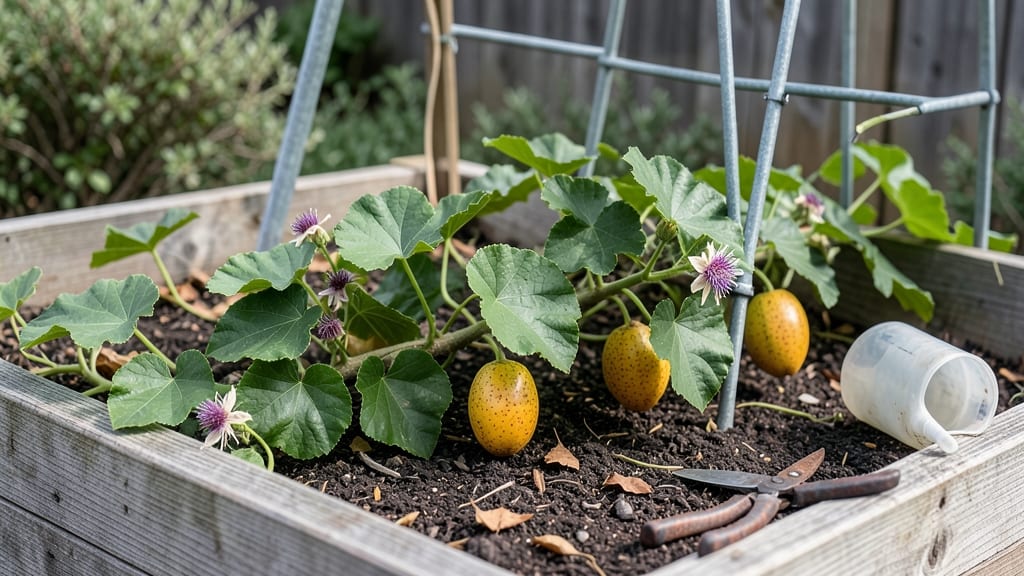
Passion fruit vines demand consistent warmth—think of them as tropical sun-worshippers that bolt at the first hint of frost. 🌿 The 8-11 zone range means they need temperatures above 50°F for active growth, with ideal daytime highs between 70-85°F for fruit production.
Even a single night below 32°F can kill the plant, which is why container-grown vines in colder areas need to hibernate indoors during winter.
I've seen gardeners in Zone 7 successfully grow passion fruit by overwintering potted plants in a garage or basement, then bringing them back outside once soil temperatures stabilize in spring.
What's fascinating is how these plants adapt—some varieties like Passiflora edulis (purple passion fruit) are slightly more cold-tolerant than others, but none can handle prolonged freezing. The key is mimicking their natural tropical habitat: bright sunlight, well-draining soil, and protection from wind.
In my own garden, I've found that a greenhouse extension during late fall gives the vines an extra month of growing time before winter dormancy begins.
💡 In This Article
- USDA Zones for Passion Fruit Growth: Climate and Temperature Limits
- Extending Passion Fruit Cultivation Beyond Ideal Zones
USDA zones for passion fruit growth: climate and temperature limits
The passion fruit vine (Passiflora edulis and relatives) is a tropical native that evolved in Brazil's warm, humid climate where temperatures rarely dip below 60°F. This explains why USDA Zones 8-11—with their frost-free winters and average minimum temperatures between 10-40°F—provide the perfect growing conditions.
The plant's metabolic processes, particularly photosynthesis and fruit development, stall below 50°F, while new growth stops entirely when nighttime temperatures fall below 55°F. 🌡️
Here's the science: Passion fruit plants require 12-15 hours of daylight for optimal flowering and fruiting, but their real temperature sensitivity lies in cellular damage. When exposed to 32°F or below, the plant's cell membranes rupture due to ice crystal formation, a process called "cold acclimation failure."
Even brief cold snaps can trigger leaf drop and reduce next year's yield by up to 70%.
The fruit itself also suffers—exposure to temperatures below 45°F during development leads to poor sugar accumulation and bitter flavors, which is why commercial growers in Florida and California use wind machines and frost cloths to maintain minimum nighttime temperatures above 50°F.
The plant's growth cycle also reveals its tropical origins. In ideal zones, vines produce new shoots continuously, while in cooler zones, they enter a semi-dormant state when temperatures drop below 60°F for extended periods.
This dormancy isn't true hibernation like deciduous trees—it's more of a slowed metabolic state where the plant conserves energy.
What's fascinating is how the flowers themselves are temperature-sensitive: they only open between 8:00 AM and 10:00 AM on warm days, a behavior that ensures pollination by hummingbirds and bees during peak activity hours. 🐦
For gardeners in marginal zones (like Zone 7b), understanding these temperature thresholds helps explain why passion fruit plants often struggle. The 10°F difference between Zone 7's winter lows (0-5°F) and Zone 8's (10-15°F) means the plant simply can't survive outdoor winter exposure.
Even in Zone 8, late spring frosts can damage new growth, which is why many commercial growers in these areas use row covers or low tunnels to create 5°F microclimates that protect tender vines.
What most people don't realize is how humidity plays a secondary role in cold tolerance. Passion fruit vines prefer 60-80% relative humidity, and dry air accelerates moisture loss from leaves, making them more susceptible to cold damage.
This is why coastal areas in Zones 9-11 often produce healthier vines than inland regions—marine layers provide natural humidity buffers.
In contrast, desert climates (like parts of Zone 10) require supplemental irrigation to maintain leaf turgor pressure during heatwaves, which can actually stress the plant more than cold would in temperate zones.
Consider this comparison: A passion fruit vine in Zone 10 with daytime highs of 85°F and nighttime lows of 65°F will produce fruit continuously, while an identical plant in Zone 8 with similar summer temperatures will only fruit reliably if protected from winter cold.
The difference lies in the plant's ability to maintain consistent metabolic activity—something that requires year-round warmth. 🌿