
Blooming
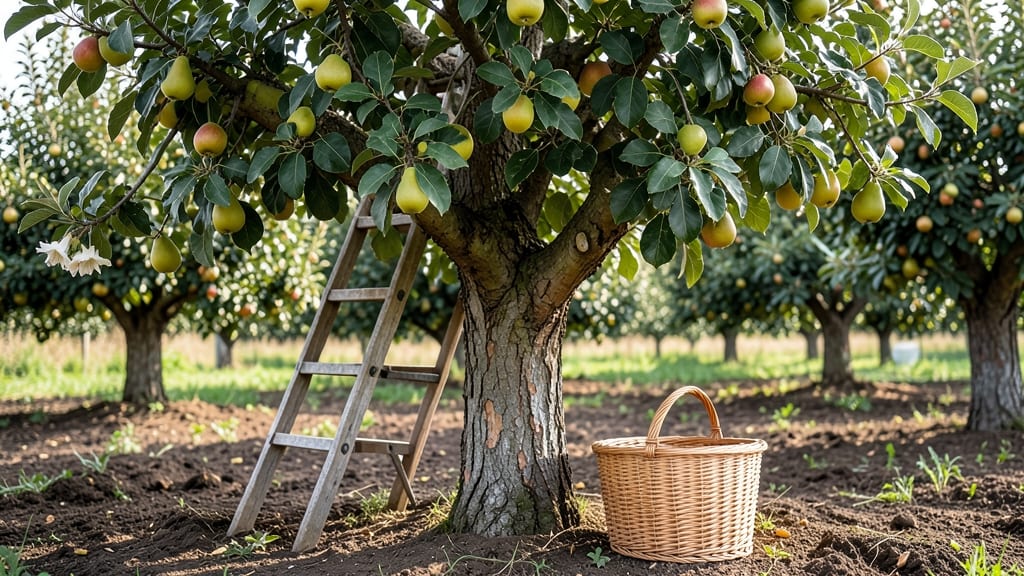
The pear picking season arrives when 🍐 trees burst with flavor—late summer through early fall, when every bite tastes like sunshine.
Picture this: golden Bartletts hanging heavy on the branch, their scent thick in the orchard air, just begging to be plucked. But miss the window, and you’ll end up with bland, mealy fruit that tastes nothing like the sweet, juicy pears you crave.
Timing isn’t just about patience—it’s the difference between a harvest that wows and one that disappoints.
Regional climates shift those sweet spots dramatically. In the Pacific Northwest, pears ripen as early as August, while Southern orchards may not peak until October.
Even within a state, a 100-mile drive can change your best-picking month. I’ll break down the exact windows by zone so you never show up empty-handed.
Beyond the calendar, you’ll learn the three telltale signs of ripeness—no more guessing games—and how to store your haul to keep it crisp for weeks. Whether you’re a first-time picker or a seasoned orchard veteran, this guide ensures you leave with the sweetest, juiciest pears of the season.


Pear picking season by U.s. region: month-by-month harvest guide
Timing your pear harvest is everything—miss the window, and you’ll get bland, mealy fruit instead of sweet, juicy perfection.
The best pear picking season varies dramatically across the U.S., with coastal regions harvesting earlier than inland areas. Weather patterns like spring frost or summer heatwaves can shift peak months by weeks, so knowing your region’s ideal harvest window is key to success.
For home gardeners and orchard visitors alike, understanding pear variety ripening times is crucial. Bartlett pears (the classic "Williams") ripen first, while Anjou and Bosc varieties hold firm longer. Asian pears like Kosui often ripen 2-3 weeks earlier than their Western counterparts.
Let’s break down the month-by-month harvest guide by region so you never miss peak season again.
📌 Regional pear harvests follow this general pattern: Pacific Northwest (earliest): August–September Midwest: Late August–October Northeast: September–October Southern U.S. (latest): Late September–November Climate and altitude play huge roles—mountain orchards often harvest 2-3 weeks earlier than valley farms.
| Region | Best Varieties | Peak Months | Weather Impact | Pro Tip |
|---|---|---|---|---|
| Pacific Northwest | Bartlett, Anjou, Bosc | August–September | Cooler summers delay ripening; frost risk in September | Pick Bartletts first—they’re most frost-sensitive |
| Midwest | Bartlett, Anjou, Seckel | Late August–October | Hot summers speed ripening; drought stress reduces sweetness | Harvest Anjou in September for best flavor |
| Northeast | Bosc, Anjou, Asian (Kosui) | September–October | Early frosts can ruin late-season crops | Pick Asian pears when fully colored—they don’t soften much |
| Southern U.S. | Bartlett, Moore, Starking | Late September–November | Humid heat increases disease risk; harvest early to avoid rot | Moore pears stay firm longest—ideal for shipping |
In the Pacific Northwest, where cooler summers slow ripening, Bartlett pears typically hit peak season in early to mid-August.
The region’s high rainfall means orchards often use drip irrigation to prevent fungal diseases like fire blight, which can ruin crops if unchecked. Anjou pears follow in late August, while Bosc varieties—known for their gritty texture—ripen in September.
Midwestern orchards experience hotter, drier summers, which can make pears ripen faster. Bartletts often peak in late August, but a heatwave might bring them to harvest as early as mid-August. Anjou pears, which store exceptionally well, are best picked in September for long-term storage. Seckel pears, a smaller variety, ripen slightly later and are perfect for fresh eating.
The Northeast’s shorter growing season means pears often ripen later, with Bosc varieties dominating September harvests. Asian pears, which don’t soften as much as Western pears, are best picked when fully colored—usually in late September to early October.
A sudden frost can ruin late-season crops, so keep an eye on weekly weather forecasts and harvest 2-3 days before the first frost warning.
Southern orchards enjoy the longest harvest window, stretching from late September into November. Moore pears, a Southern favorite, ripen in October and hold their firmness longer than other varieties. Starking pears, known for their red blush, also peak in late fall.
However, the region’s high humidity increases the risk of rot and disease, so harvest early and store pears in cool, dry conditions.
If you’re planning a pear-picking trip, check orchard websites for real-time updates—some farms adjust harvest dates based on tree health and weather. Bartlett pears are the most frost-sensitive, so if temperatures drop below 32°F (0°C), harvest them immediately.
For long-term storage, pick pears 1-2 weeks before they’re fully ripe—they’ll continue ripening off the tree.
Pro tip: Bring a small mesh bag to the orchard—it protects pears from bruising during transport. And if you’re visiting multiple farms, prioritize Bartletts first; they ripen fastest and lose quality quickest once picked. 🍐
How to pick the sweetest pears: ripeness tests and pro tips
Picking pears at their peak ripeness transforms them from bland to breathtakingly sweet. Unlike apples, pears never ripen on the tree—they need time off the branch to develop full flavor.
The key is knowing exactly when to pluck them based on three foolproof tests that work for Bartlett, Anjou, Bosc, and Asian varieties alike.
Start by examining the stem attachment. A ripe pear’s stem should twist easily with gentle pressure—if it resists, it’s not ready. Next, check the skin color transition: Bartletts turn golden-yellow, while Anjou pears develop a deep russet blush.
Finally, give the pear a light squeeze—it should yield slightly but not feel mushy.
⚠️ WARNING: Common Mistake Alert! ⚠️ Picking too early guarantees mealy texture, while waiting too long risks bird damage or rot. Never rely on color alone—some varieties stay green when ripe (like Bosc pears). Regional weather matters too: Cool summers delay ripening, while heat waves can speed up decay after harvest.
Always test 3-5 pears per tree for consistency!
For immediate eating, harvest when pears pass all three tests but still feel firm to the touch. These will ripen in 3-7 days at room temperature.
For long-term storage (up to 3 months in a cool, dark place), pick pears 1-2 weeks before peak ripeness—they’ll soften gradually without spoiling.
Different varieties need different approaches: Bartletts ripen fastest and are best eaten fresh, while Anjou pears store longer. Asian pears stay crispest when refrigerated. Always handle fruit gently with clean hands to avoid bruising, which shortens shelf life dramatically.
Pro tip: Mark your calendar for late August to early October in most regions, but check local orchards—they often post harvest updates based on their microclimate. If you’re unsure, ask staff to taste-test a sample before buying a bushel!
Once home, store pears separately from ethylene producers (like apples) to control ripening speed. A paper bag with an apple speeds up softening for quick enjoyment, while plastic wrap slows decay for storage. Now go forth and pick those perfectly sweet pears with confidence! 🍐