
Container Gardens
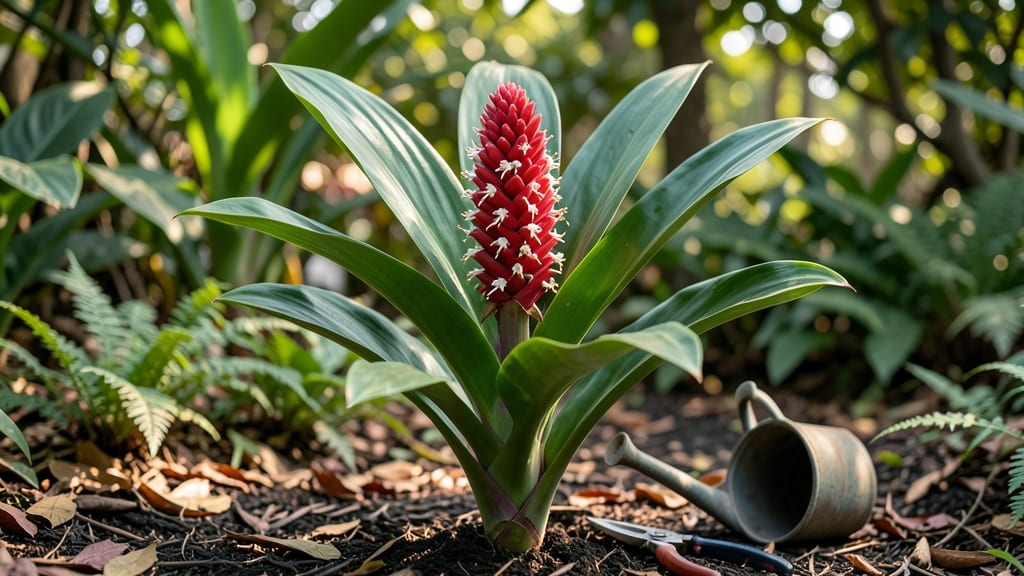
Pinecone ginger grows best in USDA Hardiness Zones 9 through 11, where warm temperatures and well-draining soil prevent root rot. For cooler climates, treat it as an annual or grow it in containers that can be moved indoors during winter.
This tropical beauty demands consistent warmth—below 50°F, its rhizomes will rot, and frost will kill the plant outright. 🌿 The key to success in marginal zones lies in mimicking its native environment: bright light, high humidity, and temperatures above 60°F year-round.
I've found that even in Zone 8, a south-facing porch with winter protection can yield thriving plants, though they'll need extra care during cold snaps.
Container growing opens up possibilities for gardeners outside its ideal range. A 12-inch pot with a mix of potting soil and perlite gives roots room to spread while preventing waterlogging.
Move containers indoors before temperatures dip below 55°F, placing them near a sunny window or under grow lights until spring. The trade-off? You'll sacrifice the dramatic 6-foot height this plant reaches in the ground, but the foliage remains stunning in 3-foot pots.
💡 In This Article
- USDA Zones and Pinecone Ginger Climate Needs
- Container Growing Tips for Cooler Climates
USDA Zones and pinecone ginger climate needs
Pinecone ginger's native tropical habitat explains why it thrives only in USDA Zones 9-11. The plant's rhizomes begin to deteriorate at temperatures below 50°F, while frost at 32°F or lower causes irreversible damage to both foliage and roots.
This sensitivity stems from its natural growing cycle in Southeast Asia, where temperatures rarely drop below 60°F and humidity stays consistently high above 70%. The plant's thick, fleshy leaves are adapted to conserve moisture in humid conditions, but they become stressed when exposed to cold, dry air.
The real challenge comes from pinecone ginger's lack of true dormancy. Unlike hardy perennials that enter a protective state in winter, this tropical plant remains metabolically active year-round.
In cooler zones, the plant continues growing even when soil temperatures drop, leading to weak, leggy growth and increased susceptibility to fungal diseases like root rot. The rhizomes, which store nutrients, become particularly vulnerable when soil temperatures fall below 55°F, as their natural insulation breaks down. 🌡️
Microclimates can create localized growing conditions that extend pinecone ginger's range. For example, a south-facing wall in Zone 8 can create a 5-10°F warmer microclimate than the surrounding area, allowing the plant to survive mild winters.
I've successfully grown pinecone ginger in Zone 7 by placing it against a brick wall during winter months, where it received reflected heat and protection from wind.
Even in these protected spots, however, the plant typically grows as a short-lived perennial rather than a true perennial, with reduced vigor each year.
Another critical factor is the plant's relationship with humidity. Pinecone ginger's large, waxy leaves transpire water rapidly, which creates a cooling effect through evaporation. When humidity drops below 60%, the plant struggles to maintain this natural cooling mechanism, leading to leaf scorch and stunted growth.
This is why container growing often works better in cooler climates—the pot can be moved to more humid indoor environments during dry periods, mimicking the tropical conditions the plant craves. The trade-off is that container-grown plants typically reach only 30-50% of their ground-grown height.
What most gardeners don't realize is how quickly pinecone ginger responds to temperature changes. When nighttime temperatures drop below 65°F for more than three consecutive nights, the plant begins to show stress symptoms within 48 hours.
These include yellowing leaf margins, slowed growth, and the development of small brown spots on the undersides of leaves. The plant's natural defense mechanism is to produce thicker, more waxy leaves in an attempt to reduce water loss, but this comes at the cost of reduced photosynthesis efficiency.
This physiological response explains why pinecone ginger often looks healthy during the day but shows clear signs of stress by evening in marginal climates.
For gardeners pushing the limits in Zones 8 and below, the key strategy is creating a "greenhouse effect" around the plant. Using clear plastic domes or cloches can raise soil temperatures by 5-15°F during cold snaps, while mulching with 4-6 inches of organic matter helps insulate the rhizomes.
However, these measures only work for short periods—prolonged exposure to temperatures below 55°F will still cause damage over time. The plant's tropical nature means it simply cannot adapt to the seasonal temperature swings found in temperate climates. 🌿