
Container Gardens
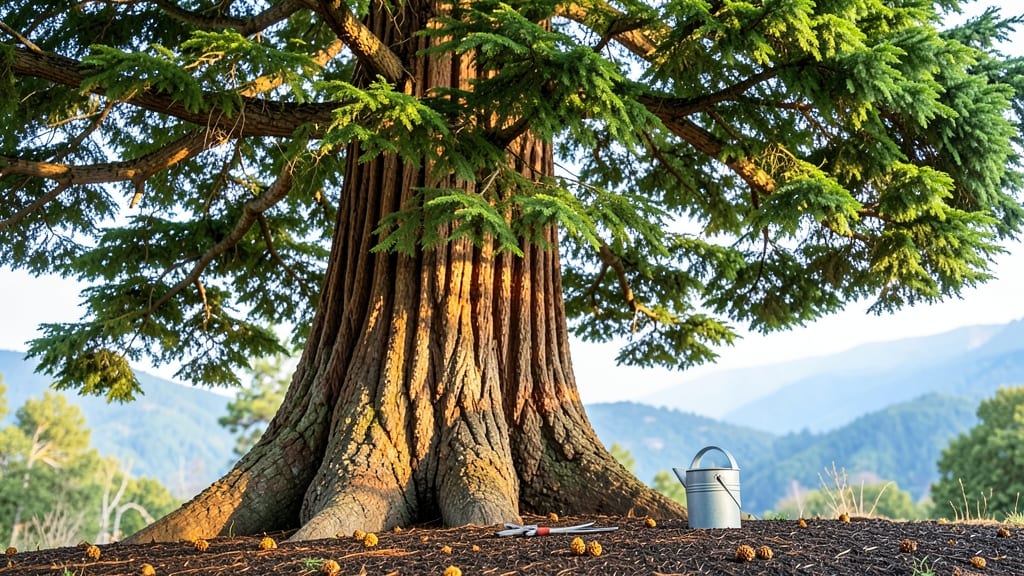
The best sequoia tree growing zones are USDA Hardiness Zones 5 through 8, where cool, moist climates with well-drained soil and wind protection create ideal conditions. Coastal California and the Pacific Northwest naturally support them, while inland areas require extra watering and shade during summer heat.
Sequoias evolved in the foggy, high-elevation forests of California and Oregon, so their growing zones reflect those conditions. 🌲 In Zone 5, they tolerate brief cold snaps down to -20°F, but need deep, nutrient-rich soil to compensate for shorter growing seasons.
Meanwhile, Zone 8 areas like Southern California benefit from milder winters but must provide afternoon shade to prevent heat stress. The key isn't just the zone number—it's replicating their natural microclimate with consistent moisture and shelter from drying winds.
For gardeners outside these zones, container growing in Zone 4 or Zone 9 is possible with winter protection and summer shade cloth. I've seen sequoias thrive in large pots when given the right conditions—just expect slower growth compared to their native habitats.
The real secret is mimicking their forest floor environment: thick mulch, drip irrigation, and protection from urban pollution or salt spray near coastlines.
💡 In This Article
- Climate and Soil Requirements for Healthy Sequoia Growth
- Best USDA Zones for Planting Sequoias and Care Tips
Climate and soil requirements for healthy sequoia growth
Sequoias evolved in the foggy, high-elevation forests of California and Oregon, where average summer temperatures hover around 70-75°F and winter lows rarely drop below 10°F.
Their ideal growing zones (5-8) reflect these conditions, with Zone 6 being the sweet spot for most species like the coast redwood (Sequoia sempervirens) and giant sequoia (Sequoiadendron giganteum).
The key isn't just the zone number—it's the microclimate: coastal areas benefit from marine layer fog that provides natural irrigation, while inland zones need supplemental watering to maintain 40-60% soil moisture year-round. 🌲
Their soil preferences are equally specific: sequoias demand acidic to neutral pH (5.5-7.0) with excellent drainage to prevent root rot. In their native habitats, they grow in deep, loamy soils with high organic matter content—think of the forest floors where fallen needles create a natural mulch layer.
For gardeners, this means amending heavy clay soils with 3-4 inches of compost and ensuring the planting site has no standing water. Their roots are sensitive to compaction, so avoid areas with hardpan or frequent foot traffic.
Humidity plays a surprising role in their survival. Sequoias lose moisture quickly in dry conditions, which is why coastal zones thrive: the Pacific Ocean's influence creates 60-80% relative humidity even in summer. Inland plantings require drip irrigation systems delivering 1-2 gallons per day during dry spells.
The trees also benefit from windbreaks—whether natural (hills, other trees) or man-made (fences, hedges)—to reduce transpiration stress. Without protection, leaves can dry out and turn brown, signaling irreversible damage. 💧
Elevation matters too. Giant sequoias naturally grow between 5,000-8,000 feet in the Sierra Nevada, where cooler temperatures and higher rainfall create perfect conditions.
At lower elevations (Zone 8), they need afternoon shade to prevent heat stress, while at higher elevations (Zone 5), they require extra winter protection from freezing winds.
The soil's ability to retain moisture without becoming waterlogged is the balancing act—too much water causes root suffocation, while too little leads to drought stress.
One often-overlooked factor is air quality. Sequoias are sensitive to pollution and salt spray, which is why coastal plantings should be at least 100 feet inland from oceanfront properties. In urban areas, they may develop yellowing needles due to ozone or sulfur dioxide exposure.
For container growing, choose large, breathable pots (minimum 30-gallon capacity) with drainage holes and use a well-aerated potting mix to replicate their forest floor environment. 🌿
Here's what happens when conditions aren't met: in Zone 9, sequoias suffer from summer heat stress, while in Zone 4, winter cold can damage young trees. The solution? Strategic placement—plant on the north or east side of buildings for shade, and use burlap windbreaks in exposed areas.
Mulching with 6-8 inches of wood chips helps regulate soil temperature and retain moisture, mimicking their natural habitat.