
Planting
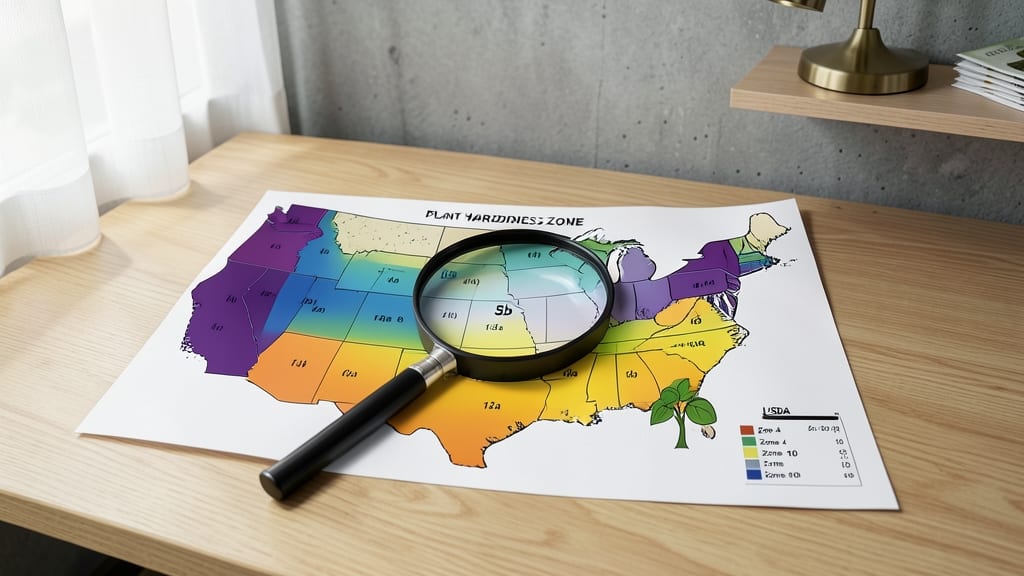
Plant hardiness zones are essentially climate-based gardening guides that help you match plants to your local growing conditions. 🌱 The USDA system uses 10-year average minimum winter temperatures to create these zones, with each zone representing a 10°F temperature range.
For example, Zone 5 endures temps between -20°F and -10°F, while Zone 9 stays above 20°F. Understanding your zone ensures you choose plants that won't die from unexpected freezes or struggle in overly warm climates.
These zones aren't just about cold tolerance—they also account for heat and humidity patterns that vary across regions. Subzones (a/b) add even more precision, helping gardeners in transition areas pick the right plants.
For instance, a plant labeled "Zones 6-9" might thrive in your Zone 6a garden but fail in Zone 6b if it's slightly colder. Always check the lowest temperature rating on plant tags to avoid costly mistakes.
💡 In This Article
- How USDA Plant Hardiness Zones Work
- Choosing Plants for Your Hardiness Zone
How USDA plant hardiness zones work
The USDA system relies on 30-year climate data to determine average annual minimum temperatures, which are the coldest temperatures expected to occur in 7 out of 10 winters. Each zone represents a 10°F range, meaning Zone 5 (-20°F to -10°F) is colder than Zone 6 (-10°F to 0°F).
This classification helps plants survive winter dormancy by ensuring their hardiness matches local climate extremes. For example, a Zone 4 plant (like lilacs or spruce trees) can withstand -30°F, while a Zone 10 plant (such as bougainvillea) barely dips below 30°F.
Geographic mapping uses complex algorithms that analyze elevation, latitude, and local weather patterns. Higher elevations often shift zones colder—think of Denver (Zone 5) sitting at 5,280 feet versus coastal Seattle (Zone 8) at sea level.
Subzones (a/b) further refine these ranges by 5°F increments, helping gardeners in transition areas (like Zone 6a vs. 6b) make precise plant choices. This precision matters because a 5°F difference can mean the difference between a plant thriving or struggling during a harsh winter.
The science behind this involves plant physiology. Most perennials enter dormancy when temperatures drop, but their survival depends on avoiding cellular damage from ice crystal formation. The USDA zones account for this by ensuring plants can tolerate their zone's lowest expected temperature without irreversible harm.
For instance, a Zone 7 plant (like peonies) won't survive a -25°F night in Zone 4, even if summers are similar. 🌡️
Microclimates add another layer of complexity. A south-facing wall can create a Zone 8 microclimate in a Zone 5 backyard, while a low-lying area might be Zone 4. Gardeners must observe their space for 3-5 years to identify these variations.
Tools like the USDA Interactive Map (updated annually) help visualize these nuances, but local nurseries often provide the most reliable, ground-truth insights.
What most gardeners overlook is how heat zones (like the AHS Heat Zone Map) interact with hardiness zones. A plant might survive winter in Zone 7 but wilt in summer heat if it's not adapted to high temperatures.
For example, Zone 9 plants like citrus thrive in coastal California but fail inland where summer temps exceed 100°F. Always cross-reference both maps for year-round success.
Here's a quick reference for zone extremes:
- Zone 1: -60°F to -50°F (Alaska, northern Canada)
- Zone 10: 30°F to 40°F (southern Florida, Hawaii)
- Zone 5: -20°F to -10°F (Chicago, Denver)
- Zone 8: 10°F to 20°F (Atlanta, Los Angeles)
Understanding these zones isn't just about survival—it's about optimal growth. A plant in the perfect zone will flower earlier, produce more fruit, and require less maintenance. For example, Zone 6 tomatoes (like 'Early Girl') ripen reliably, while Zone 9 varieties (like 'Celebrity') handle summer heat better.
Matching plants to zones transforms gardening from guesswork to science. 🌿