
Planting
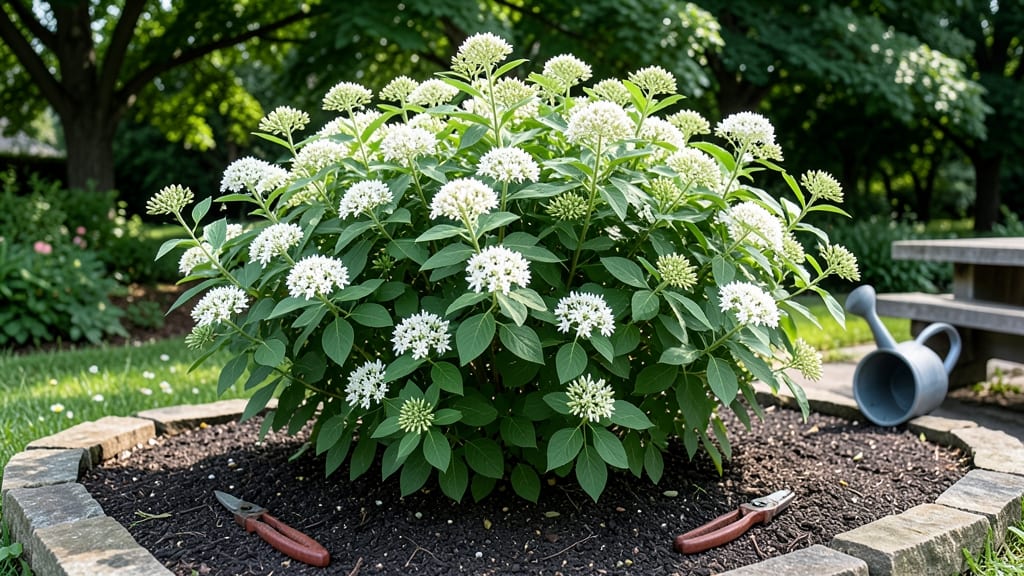
Plant hardiness zones help gardeners choose plants that will survive winter in their region by mapping average low temperatures, ensuring healthy growth and reducing plant loss.
These zones, developed by the USDA, divide North America into 13 distinct regions based on average annual minimum temperatures. 🌡️ For example, Zone 3 can handle temperatures as low as -40°F, while Zone 10 rarely drops below 30°F. Understanding your zone isn't just about cold tolerance—it also affects frost dates, which influence planting and harvesting schedules.
Many gardeners use online tools like the USDA Interactive Plant Hardiness Map to pinpoint their exact zone, but remember that elevation and local microclimates can shift your effective zone by one or more levels.
Why this matters? Plants labeled "Zone 5 hardy" will likely survive winters in Zones 4-6 but may struggle in colder areas. Always check the plant's minimum temperature rating before buying, and consider adding mulch or winter protection for borderline cases.
I've learned the hard way that a Zone 6 shrub can turn into a sad, frost-bitten mess if planted in Zone 4 without proper care!
💡 In This Article
- How Plant Hardiness Zones Are Determined and Mapped
- Practical Guide to Using Hardiness Zones for Plant Selection
How plant hardiness zones are determined and mapped
The USDA plant hardiness zone system divides North America into 13 zones based on the average annual minimum winter temperatures recorded over a 30-year period.
Each zone represents a 10°F difference—for example, Zone 5 ranges from -20°F to -10°F, while Zone 8 spans 10°F to 20°F. This classification relies on historical climate data collected from thousands of weather stations across the continent, ensuring accuracy for gardeners nationwide.
What makes this system powerful is how it accounts for long-term climate patterns rather than single-year extremes.
The USDA updates the map every 10 years to reflect gradual shifts caused by climate change—like the recent expansion of Zone 8 into areas previously classified as Zone 7. 🌡️ For instance, cities like Minneapolis (Zone 4a) and Atlanta (Zone 7b) experience vastly different winter lows, which directly impacts which perennials or trees will survive.
The map also incorporates elevation adjustments, as temperatures drop roughly 3.5°F per 1,000 feet gained.
However, these zones are just a starting point because real-world growing conditions vary dramatically. Microclimates—created by factors like urban heat islands, bodies of water, or south-facing slopes—can shift your effective zone by one or more levels.
For example, a garden near a large lake might experience milder winters than the official zone suggests, while a sheltered valley could protect plants from harsh winds. That's why gardeners often test plants in containers or use cold frames to push zone limits experimentally.
Understanding these nuances helps explain why a Zone 6-rated rose might thrive in a sheltered microclimate of Zone 5 but struggle in an exposed location. The USDA map provides a baseline, but local observations and adjustments are key to successful gardening.
For example, I’ve seen Russian sage (Perovskia atriplicifolia), rated for Zones 4-9, grow beautifully in my Zone 5 garden when planted near a south-facing wall, while it fails in a windy, open area.
Another critical factor is the last frost date, which varies even within the same zone. While hardiness zones focus on winter survival, frost dates determine when to plant cool-season crops like lettuce or when to protect tender plants like tomatoes.
For instance, Zone 7 might have last frost dates ranging from March 15 to April 15 depending on location, creating a 30-day window for early spring planting decisions.
For those curious about historical context, the first USDA hardiness zone map was published in 1960, based on data from 1931-1960. Today’s map uses 1991-2020 climate data, reflecting warmer global temperatures.
This shift means gardeners in the Northeast might now grow Zone 8 plants where only Zone 7 was previously viable—a change with big implications for landscape design and crop selection.