
Vegetables
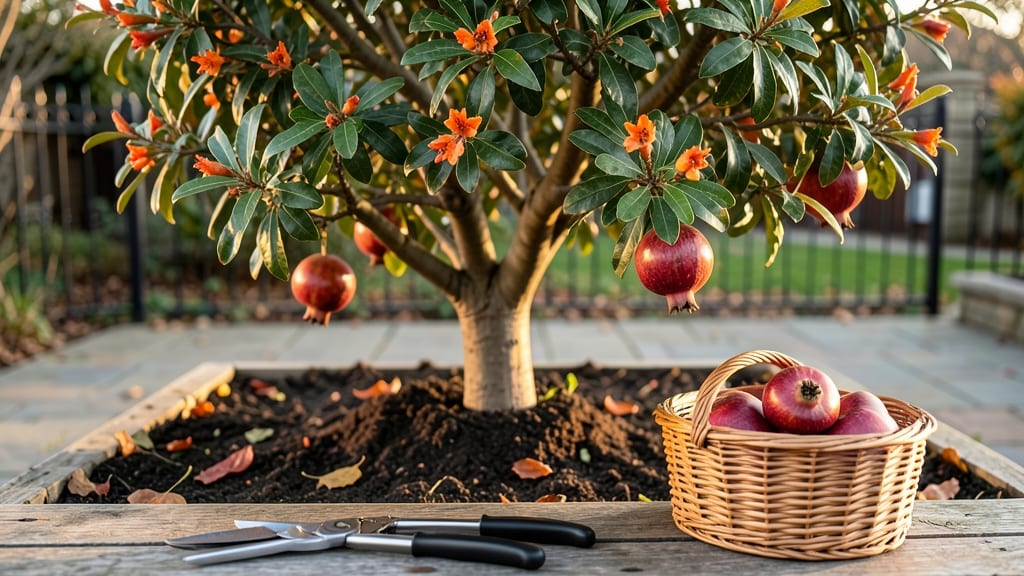
Pomegranate season in Texas runs from late September through November, with the prime harvest window in October, depending on your growing zone (USDA 8-11). The state's unique climate—warm days and cooler nights—helps pomegranates ripen perfectly, though North Texas may see fruits mature slightly later in the season.
Texas's reputation as a pomegranate powerhouse comes from its ability to handle both heat and temperature swings—critical for fruit development. 🌞 The state's USDA 8-11 zones create ideal conditions for varieties like Wonderful and Eversweet, which thrive in these conditions.
What sets Texas apart is how its microclimates affect ripening: Central and South Texas trees often produce earlier, while North Texas varieties may need an extra month to reach peak sweetness.
Once you've identified the perfect harvest window, timing matters just as much as technique. A ripe pomegranate should feel heavy for its size and have a deep ruby-red hue—never harvest when the skin turns yellowish or the seeds don't rattle when shaken.
I've found that harvesting in the morning, when temperatures are cooler, preserves the fruit's juiciness longer.
For those who want to extend the season, strategic pruning in late winter can encourage a second flush of blooms, though this requires careful water management to avoid stressing the plants during Texas's summer heat.
💡 In This Article
- Texas Pomegranate Growing Zones and Climate Needs
- When and How to Harvest Texas-Grown Pomegranates
Texas pomegranate growing zones and climate needs
Texas's suitability for pomegranates stems from its USDA 8-11 zones, where the fruit thrives thanks to its remarkable heat tolerance and drought resistance. Unlike many fruit trees, pomegranates actually benefit from Texas's intense summer heat—up to 100°F—as long as they receive 6-8 hours of sunlight daily.
The key lies in the plant's ability to enter dormancy during extreme heat, then bounce back when temperatures drop. This adaptability makes varieties like Wonderful (the most widely grown) and Eversweet (a seedless option) perfect for Texas's climate.
The magic happens during the transition seasons when warm days meet cooler nights—typically 75-85°F during the day and 55-65°F at night. These temperature swings trigger the fruit's ripening process, converting starches into sugars that create that signature sweet-tart flavor.
In North Texas (USDA 7b-8a), where summers are hotter and winters milder, pomegranates may need 2-3 weeks longer to mature compared to South Texas (USDA 9a-11), where the climate more closely mirrors the Mediterranean origins of the fruit. 🌡️
Selecting the right variety depends on your specific microclimate. For instance, Wonderful pomegranates—known for their deep red skin and juicy seeds—perform best in Central Texas's USDA 8a zone, where they receive balanced heat and rainfall.
Meanwhile, Eversweet, which is seedless and sweeter, often does better in South Texas's USDA 9a-11 zones, where the extended growing season allows for fuller development.
If you're in West Texas (USDA 8b-9a), consider drought-tolerant varieties like Crimson Sweet, which can handle the region's lower humidity and sporadic rainfall.
One often-overlooked factor is soil pH. Pomegranates prefer slightly acidic to neutral soil, with a pH range of 5.5-7.5. Texas's native alkaline soils (often pH 7.5-8.5) can be amended with sulfur or peat moss to create ideal growing conditions.
Additionally, the fruit's deep root system—capable of reaching 6-8 feet underground—allows it to access water and nutrients even during droughts, a trait that makes it uniquely suited to Texas's unpredictable rainfall patterns.
For gardeners in urban areas like Austin or San Antonio, container growing is a viable option. Pomegranate trees can thrive in large pots (15-20 gallons) as long as they're placed in full sun and watered deeply 2-3 times per week during the first year.
The key is replicating the tree's natural drought tolerance by letting the soil dry out between waterings once established. This approach also makes it easier to move trees to sheltered locations during unexpected freezes, which can occur in North Texas's USDA 7b zone.
What most people don't realize is how Texas's humidity levels also play a role. In East Texas (USDA 8a), where humidity can exceed 70% during summer, pomegranates may be more susceptible to fungal diseases like powdery mildew.
To combat this, gardeners should space trees 15-20 feet apart for proper airflow and apply a fungicide preventatively in early spring. In contrast, West Texas's lower humidity (40-50%) creates ideal conditions for disease-free growth, often resulting in sweeter fruit with fewer blemishes.
Ultimately, Texas's climate isn't just about heat—it's about the perfect balance of temperature fluctuations, soil conditions, and humidity that pomegranates crave. When these factors align, you're rewarded with fruit that's not only abundant but also sweeter and more flavorful than what you'd find in cooler climates.
This is why Texas-grown pomegranates have become a prized commodity, sought after for both their culinary and ornamental value. 🌿