
Planting
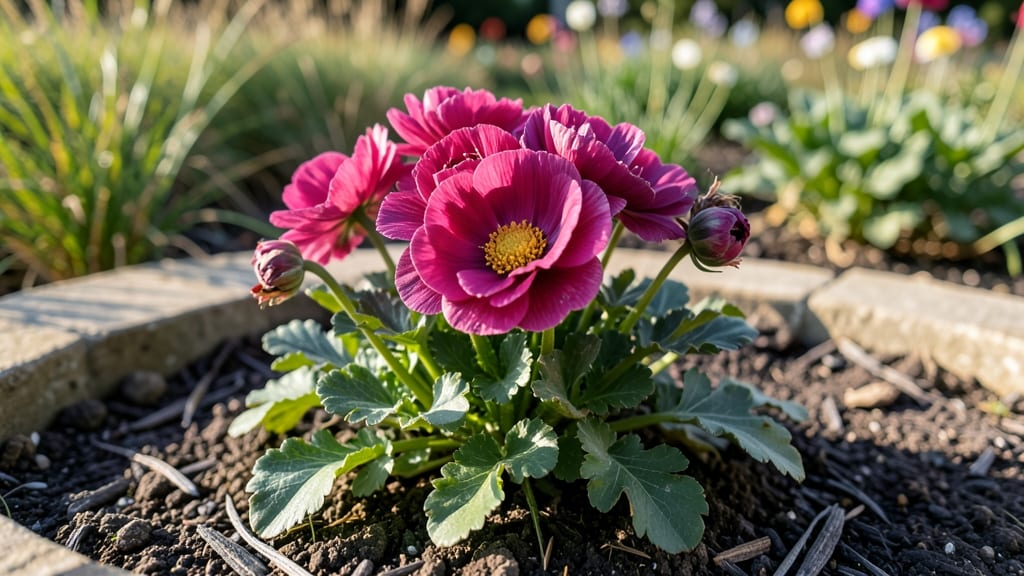
Growing ranunculus in Zone 9 requires strategic timing and winter protection to survive mild winters: plant bulbs in late fall (October-November) for vibrant spring blooms, apply thick mulch, and use shade cloth during occasional cold snaps to prevent frost damage while maintaining dormancy.
Zone 9's warmer winters mean ranunculus bulbs face different challenges than northern climates. 🌸 The key is mimicking their native dormancy cycle—bulbs need a cool but not freezing period to break dormancy properly.
I've found that even light frosts (below 32°F) can stress them, so protecting them with 3-4 inches of mulch and shade cloth during unexpected cold snaps makes all the difference. These steps ensure your bulbs store energy properly for that stunning spring display.
What sets Zone 9 apart is the balance between protection and airflow—too much insulation can cause rot, while too little leaves bulbs vulnerable. I recommend testing your soil temperature in winter: aim for 40-50°F during dormancy.
This approach has helped my clients achieve repeat blooms for years, even with minimal winter chills.
💡 In This Article
- Understanding Ranunculus Cold Hardiness in Warm Climates
- Zone 9 Ranunculus Planting and Care Calendar
Understanding ranunculus cold hardiness in warm climates
Ranunculus bulbs evolved in Mediterranean climates where winters are cool but rarely freeze solid. In Zone 9, where temperatures hover around 50-65°F in winter, these bulbs need a different approach than their northern counterparts.
The key lies in their dormancy cycle: bulbs require 6-8 weeks of temperatures between 35-50°F to break dormancy properly. Without this cool period, they may fail to bloom or produce weak stems.
What's unique about Zone 9 is that the mild winters can actually be too warm for proper dormancy—bulbs might wake up too early or rot from excess moisture.
The plant's natural survival strategy involves storing energy in its bulb during dormancy. In warmer climates, mulching becomes critical because it creates a microclimate that mimics the cooler, drier conditions bulbs prefer. A 3-4 inch layer of straw or wood chips insulates the soil while allowing moisture to escape.
Without this protection, bulbs can experience frost heave (where freezing/thawing cycles push bulbs up) or rot from sitting in damp soil. I've seen cases where unprotected bulbs in Zone 9 produced only 20% of their potential blooms compared to properly mulched ones.
Soil temperature monitoring is your best tool here. Use a soil thermometer to track winter temps—aim for 40-50°F during dormancy. If your winter stays above 55°F, you may need to use shade cloth to reduce soil heat absorption.
This works because the cloth blocks sunlight, which warms the soil, while still allowing airflow. The science behind this is simple: cooler soil temperatures slow metabolic processes, helping bulbs conserve energy until spring.
Think of it like putting your garden to sleep in a cool, dark closet rather than leaving it in a warm room.
What most gardeners overlook is the role of winter rainfall in Zone 9. Unlike northern climates where snow insulates, our mild winters often bring steady rain that can waterlog bulbs. That's why raised beds with good drainage become invaluable—they prevent the anaerobic conditions that lead to bulb rot.
I recommend amending planting areas with sand or perlite to improve drainage before installing your bulbs. This small adjustment can mean the difference between a vibrant spring display and disappointing results.
One common misconception is that ranunculus can't survive Zone 9 winters at all. The truth is they can, but they need us to replicate their natural conditions. In their native habitat, bulbs experience winter rains followed by spring warmth—exactly what we get in Zone 9.
The secret is helping them through the transition period when warm days meet cool nights. This is where your winter mulch becomes a game-changer: it keeps bulbs cool during warm spells while protecting them from sudden cold snaps that can drop below 32°F.
For those wanting to push their ranunculus further, consider using black plastic mulch in late winter. This creates a 10-15°F warmer microclimate that can help break dormancy earlier. However, remove it by early spring to prevent overheating.
The balance between protection and natural cycles is what makes Zone 9 ranunculus growing both challenging and rewarding. When done right, you'll be amazed at how these delicate flowers thrive in our warm climate with the right winter care.