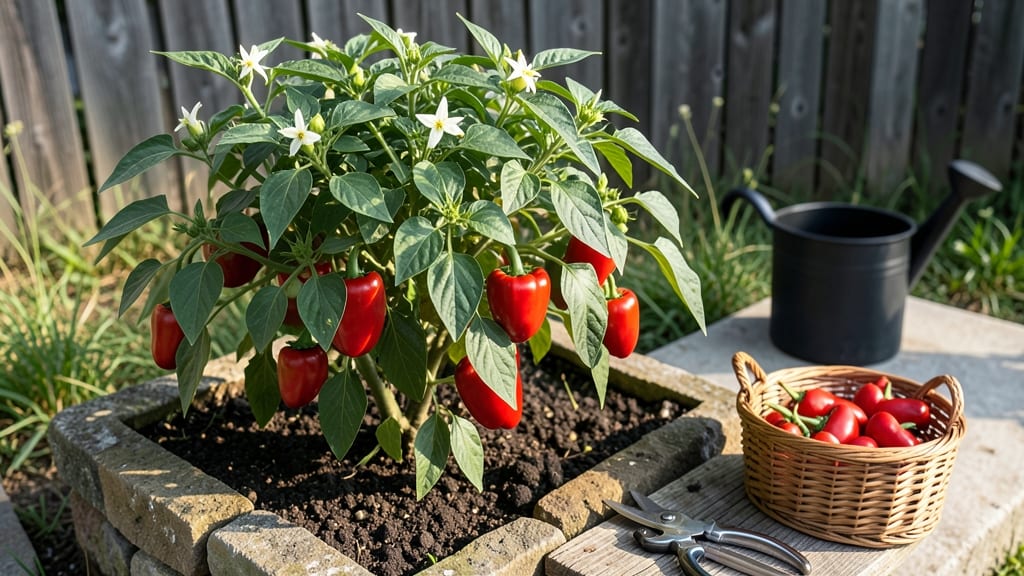
Timing red pepper season right means the difference between a few sad peppers and a garden bursting with 🌶️ heat—because these plants refuse to rush.
Miss the window, and you’ll end up with six-foot plants and no fruit, or worse, a harvest cut short by frost. I’ve seen both, and neither is worth the heartache.
In Zone 6, your best bet is to start seeds indoors by early March, then transplant after the last frost—usually mid-April. But warmer zones (like 8-10) can plant directly in February, while cooler ones (3-5) need to wait until late May.
Below, I break down the exact timeline by zone, soil temperature tricks to jumpstart growth, and how to stretch your harvest with succession planting—so you’re still picking peppers in October.
When to plant red peppers by USDA zone for peak harvests
Getting your red peppers in the ground at the right time is everything—miss the window, and you’ll end up with stunted plants or no harvest at all.
Since red peppers thrive in warm soil and long, sunny days, your USDA zone dictates when to start seeds indoors or transplant seedlings outdoors. I’ve broken down the exact planting schedule for zones 3 through 8, including adjustments for early and late varieties to maximize your yield.
Most gardeners make the mistake of planting too early, when soil temperatures are still chilly. Red peppers need consistent warmth—ideally 60-85°F—to grow properly. If you transplant too soon, your plants will struggle, leading to poor fruit set.
The key is waiting until after your last frost date and ensuring the ground has warmed up enough to support root growth.
Pro Tip: Use a soil thermometer to check temperatures at a depth of 2 inches. If it’s below 60°F, hold off on planting. In cooler zones, this might mean waiting until late May or even early June, while warmer zones can start as early as March or April.
| USDA Zone |
Last Frost Date |
Ideal Planting Window |
Soil Temp for Transplanting |
Days to Harvest |
| Zone 3 |
Mid-May |
Late May - Early June |
65-70°F (use row covers) |
80-90 days |
| Zone 4 |
Early May |
Late May - June 1 |
60-65°F (start indoors) |
75-85 days |
| Zone 5 |
Mid-April |
Early May - May 30 |
60°F+ (transplant after) |
70-80 days |
| Zone 6 |
Early April |
April 15 - May 15 |
60-65°F |
65-75 days |
| Zone 7 |
Mid-March |
March 30 - April 30 |
60°F+ |
60-70 days |
Critical growing stages of red peppers and how to protect them
Red peppers thrive through three critical stages: germination, flowering, and fruiting. Each phase requires specific care to prevent common threats like pests, diseases, and temperature swings. Understanding these stages helps you protect your plants and maximize your harvest.
During germination (weeks 1-3), seedlings need warm soil (70-85°F) and consistent moisture. Overwatering can cause damping-off, while cold soil delays sprouting. Use seed-starting trays indoors if your climate is still chilly.
⚠️ callout warning ⚠️
🚨 Critical Alert: Temperature Swings in Red Pepper Season
Red peppers hate sudden temperature drops below 50°F, which stunts growth or kills plants. Use row covers or move pots indoors at night if frost threatens. Monitor forecasts and act fast—one cold snap can ruin weeks of progress.
Pro Tip: Place a minimum-maximum thermometer near your plants to track fluctuations.
The flowering stage (weeks 4-6) demands pollination support—hand-pollinate if bees are scarce by gently shaking plants. Watch for aphids or spider mites, which suck sap and weaken blooms. Spray plants with neem oil weekly as a preventive measure.
Once peppers form, the fruiting stage (weeks 7-12) needs balanced nutrients and even watering. Overwatering causes blossom-end rot, while underwatering leads to cracked peppers. Mulch with straw to retain moisture and deter weeds that harbor pests.
Pests like hornworms can devour leaves overnight. Handpick them early in the morning or introduce parasitic wasps (like Cotesia congregata) for organic control. For fungal diseases, ensure good airflow by spacing plants 18-24 inches apart.
Extend your red pepper season by protecting plants from late-season pests with floating row covers or using reflective mulch to deter insects. Harvest peppers before the first frost to enjoy fresh, flavorful produce all season long.
★★★★★4.8(2 reviews)