
Orchid Care
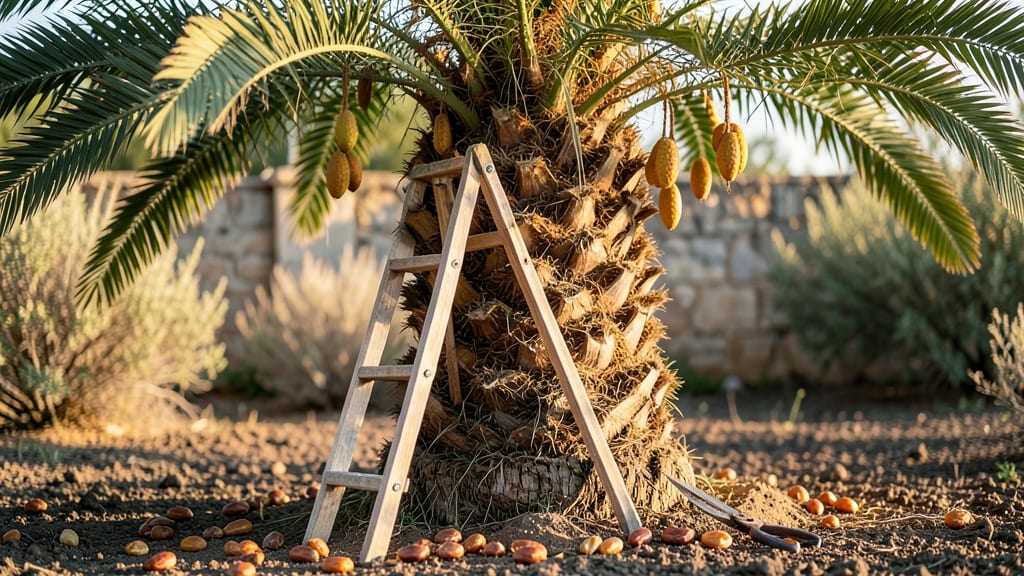
The season for dates runs from August through October, when they ripen from green to amber or deep brown, with peak harvests in desert climates like the Middle East and California.
The timing of date ripening depends on both the variety and growing conditions. 🌵 In hot, arid climates, dates mature faster and sweeten more intensely, while cooler regions may see a slightly delayed harvest.
For instance, Medjool dates—known for their size and sweetness—typically reach peak ripeness in late September, while Deglet Noor dates in California may start harvesting as early as August. Understanding these variations helps you pick the freshest, most flavorful dates at the market.
What makes this season so special is how the fruit transforms over just a few weeks. Initially firm and green, dates soften and develop their signature caramel-like sweetness as they ripen.
The shift in color isn't just visual—it signals the perfect balance of sugar and moisture, making them ideal for eating fresh or using in recipes. If you're growing your own date palms, monitoring temperature and water levels during this window ensures the best possible yield.
💡 In This Article
- How Date Palm Trees Produce Fruit Through Ripening Stages
- Best Regions and Months for Harvesting Fresh Dates
How date palm trees produce fruit through ripening stages
The date palm's fruit development begins with flowering, a process triggered by precise environmental conditions. Male and female flowers grow on separate inflorescences, and pollination—either by wind or manual intervention—must occur within 24-48 hours of flowering for fruit to develop.
This critical window explains why commercial growers often hand-pollinate to ensure consistent yields. 🌿 Once pollinated, the fruit starts as small, hard, green "dates" that contain high levels of tannins, giving them an extremely bitter taste.
As the dates mature, their internal chemistry changes dramatically. The tannins break down while sugars like glucose and fructose accumulate, transforming the flavor from bitter to sweet. This ripening process typically takes 3-5 months in ideal conditions, with temperatures between 90-110°F accelerating sugar development.
The color shift from green to amber or deep brown isn't just visual—it indicates the breakdown of chlorophyll and the formation of carotenes, which contribute to the fruit's rich, caramel-like aroma.
Water management plays a crucial role during this stage. Too much moisture can dilute sugar content and weaken the fruit's structure, while insufficient water causes the dates to shrivel. Growers carefully balance irrigation to maintain 15-20% soil moisture during ripening.
The final texture—whether firm and chewy or soft and plump—depends on this delicate equilibrium. For example, Medjool dates, prized for their velvety texture, require slightly more controlled watering than Deglet Noor varieties to achieve their signature consistency.
What most people don't realize is how temperature affects the ripening timeline. In desert climates like the Coachella Valley, dates may ripen 2-3 weeks faster than in cooler regions like Arizona's lower elevations. This is why commercial growers in California often harvest earlier than their Middle Eastern counterparts.
The heat also intensifies the caramelization process, creating dates with deeper flavors and higher sugar concentrations—up to 70% sugar content in some premium varieties.
Identifying the perfect ripeness involves more than just color. A truly ripe date should yield slightly when pressed (not mushy) and have a seed that's firm but not rock-hard. The aroma should be sweet and honey-like, not fermented or sour.
This sensory checklist helps distinguish between dates that are ready to eat and those that need more time on the tree. For example, a date that's still green with a hard seed won't develop its full sweetness, while one that's too soft may have over-ripened and become stringy.
Understanding these stages helps explain why dates from different regions taste distinct. The combination of genetic variety, climate, and growing practices creates the spectrum of flavors we enjoy—from the buttery richness of Medjools to the firmer, slightly tangy profile of Deglet Noors.
This botanical journey from flower to fruit is what makes the date season so fascinating for both growers and food lovers alike. 🌟