
Trees
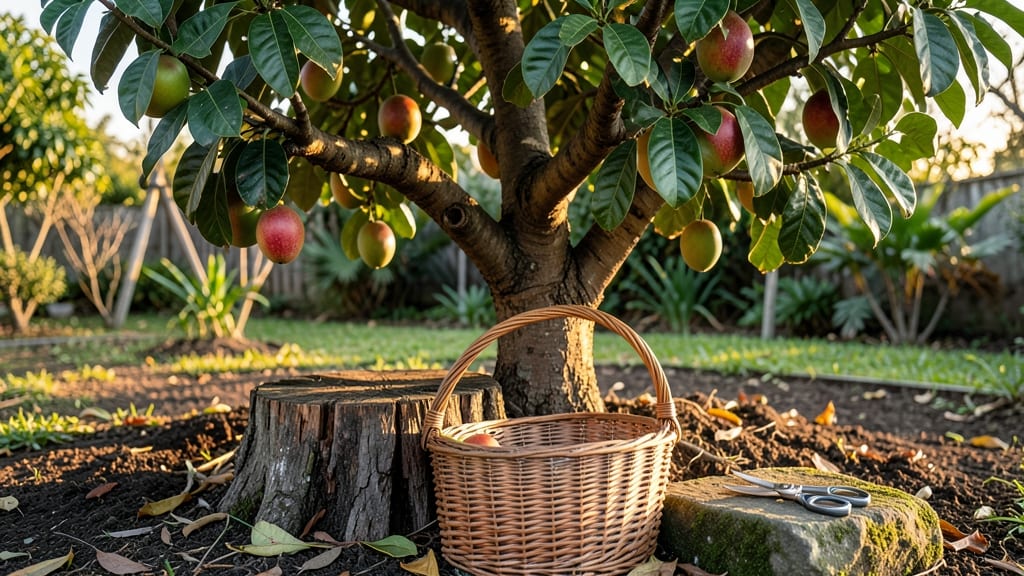
Timing matters because mango trees produce fruit based on climate—warmer regions ripen faster, while cooler areas may need a few extra weeks. 🌿 The color shift from green to vibrant hues signals peak sweetness, but scent and slight give when gently pressed are better indicators than appearance alone.
I always check for a fragrant aroma near the stem, as this confirms the fruit is ready to eat or nearly there.
If you're shopping outside peak season, look for mangoes that yield slightly to pressure but aren't mushy. Storing them at room temperature speeds up ripening, while refrigeration pauses the process—perfect for extending shelf life.
The best varieties vary by region: Florida's Haden is classic, while Mexico's Ataulfo offers creamy texture, and Indian Alphonso delivers intense sweetness when in season.
💡 In This Article
- Mango Ripening Stages: How to Identify Peak Flavor
- Best Mango Varieties by Season and Growing Region
Mango ripening stages: how to identify peak flavor
The journey from unripe green to sweet, vibrant mango begins with ethylene gas—a natural plant hormone that triggers ripening. As mangoes mature on the tree, they produce ethylene in response to temperature shifts and daylight changes, accelerating color transformation and sugar development.
In tropical climates like Florida, this process happens in 4-6 weeks, while cooler regions may take 2-3 months due to slower metabolic activity. 🌞 The shift from green to yellow-orange isn't just visual; it signals the breakdown of chlorophyll and the activation of carotenoids, which give ripe mangoes their signature hue.
Texture is your best friend when testing ripeness. A perfectly ripe mango should yield slightly to gentle pressure near the stem—think of the give you'd expect from a ripe avocado. If it feels rock-hard, it needs more time; if it's mushy, it's overripe.
The scent is equally telling: a sweet, tropical aroma near the stem means peak sweetness, while no smell suggests underripeness. Pro tip: Mangoes continue ripening after picking, so buy them slightly firm and let them sit at room temperature for 1-3 days to reach optimal flavor.
This works because ethylene production peaks after harvest, making post-purchase ripening faster than on the tree.
Climate plays a surprising role in ripening speed. In hot, humid regions like Southeast Asia, mangoes can ripen in just 2-3 weeks after flowering, while in California's Mediterranean climate, the process stretches to 8-10 weeks. The key difference? Higher temperatures accelerate ethylene production, while cooler nights slow it down.
This is why imported winter mangoes often arrive firmer—they've been harvested green and ripened during transit. For home growers, this means monitoring your local climate: a sudden heatwave can cause mangoes to ripen all at once, leading to a glut of fruit in just 48 hours.
Don't rely solely on color—some varieties like the Indian Alphonso stay green even when ripe, while others like the Mexican Ataulfo turn golden-yellow. The best test? The "stem test": gently twist the stem cap.
If it comes off easily, the mango is at its sweetest. 🍈 What most people miss is that the ripest mangoes often have a slightly uneven color—this happens because the fruit absorbs sunlight unevenly as it hangs.
A perfectly uniform yellow-orange mango might actually be overripe or underripe, depending on the variety.
Storage techniques can extend or accelerate ripening. To speed up the process, place mangoes in a paper bag with an apple (which emits extra ethylene) for 1-2 days. For slowing ripening, refrigerate firm mangoes—this pauses ethylene production but may dull flavor slightly.
The ideal storage temperature is 50-55°F, which preserves freshness for up to 1 week without compromising texture. This is why grocery stores often refrigerate mangoes: it extends shelf life during off-season months when supply is limited.
Here's what to watch for when buying at markets: a ripe mango should have a slightly wrinkled skin near the stem (a sign of natural dehydration as it ripens), while the flesh should be bright yellow with no fibrous texture.
The best-tasting mangoes often have a few tiny brown spots—these indicate natural sugar concentration. Avoid mangoes with large bruises or soft spots, as these can signal internal spoilage.
For variety lovers, this means seeking out different types: Florida's Haden has a firmer texture, while Mexican Ataulfo melts in your mouth like butter.
Remember: the ripest mangoes often have the most intense aroma and a slightly sticky residue when you cut into them—this is natural fruit juice, not spoilage. For the best experience, slice and serve within 2-3 hours of cutting to preserve flavor and texture. 💫