
Flowers
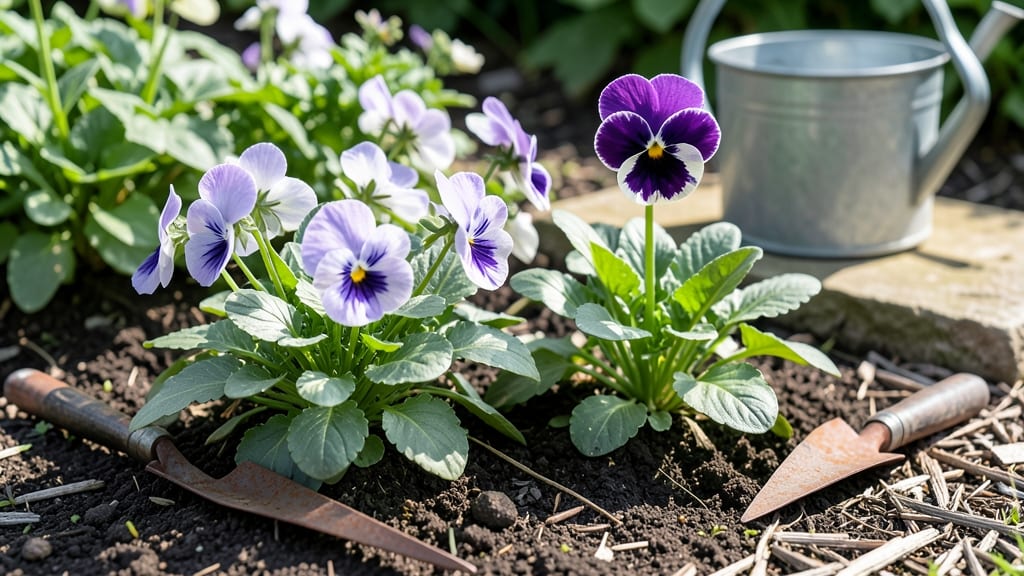
Pansies thrive best in the cool seasons 🌸, making them perfect for early spring and fall planting when temperatures are mild.
Picture this: vibrant blooms brightening your garden just as winter fades or as summer’s heat begins to ease. But timing is everything—plant too early, and frost can damage them; too late, and they’ll bolt in the heat. The key is knowing your zone and adjusting for local frost dates.
In Zone 6a, like many gardeners, I’ve found that planting in March-April or August-September gives the best results. These windows ensure pansies get established before extreme temperatures arrive. For warmer climates, fall planting can stretch their blooms well into winter.
Below, I’ll break down the exact planting schedule for your region, plus pro tips to keep your pansies flowering for months—no matter the season.
Best planting seasons for pansies by climate zone
Pansies thrive in cool weather, making them perfect for spring and fall planting in most USDA zones. But the exact timing depends on your climate—plant too early, and frost will kill tender seedlings; too late, and summer heat will stress them.
Let’s break down the ideal planting windows for cold, temperate, and warm zones to keep your pansies blooming all season.
In cold climates (Zones 3-5), pansies love the early spring and late summer windows. The key is planting 4-6 weeks before the last frost for spring blooms or 6-8 weeks before the first frost for fall color. This gives them time to establish roots before harsh weather arrives.
For temperate zones (Zones 6-8), you’ve got flexibility. Plant in early fall (August-September) for winter blooms or early spring (March-April) to beat the summer heat. These zones can even handle late summer replanting for a second flush of color.
In warm climates (Zones 9-11), pansies prefer cool-season planting—think late summer to early fall (August-October). They’ll bolt in heat, so avoid planting during summer months. With proper shade and water, you can even enjoy them in winter gardens.
| Climate Zone | Best Planting Window | Key Considerations | Bloom Period |
|---|---|---|---|
| Zones 3-5 (Cold) | Spring: April-May Fall: August-September |
Plant 4-6 weeks before last frost for spring; 6-8 weeks before first frost for fall. Use row covers in winter. | Spring: May-July Fall: September-November |
| Zones 6-8 (Temperate) | Spring: March-April Fall: August-September Late Summer: July (shade + water) |
Avoid mid-summer heat. Succession plant every 3-4 weeks for continuous blooms. | Spring: April-June Fall: September-December Late Summer: August-September |
| Zones 9-11 (Warm) | Fall: August-October Winter: December (shade + mulch) |
Plant in partial shade to avoid bolting. Use drip irrigation for consistent moisture. | Fall: September-February Winter: December-March |
Pro tip: Test your soil before planting—pansies prefer slightly acidic to neutral pH (6.0-7.0). Amend with compost if your soil is heavy clay or sandy. Well-draining soil prevents root rot, especially in winter-wet climates.
For year-round blooms, try succession planting every 3-4 weeks in temperate zones. Start with early spring varieties like ‘Matrix’ or ‘Cool Wave’, then transition to heat-tolerant types like ‘Majestic Giant’ in late summer.
In Zone 5 or colder, protect pansies with mulch (2-3 inches) and row covers during winter. This insulates roots and keeps them blooming until late spring. Remove covers in early spring to prevent overheating.
If you’re in a warm-winter zone (9-11), focus on shade and hydration. Plant pansies under dappled shade (like near trees) and water deeply 2-3 times per week. They’ll reward you with winter color when most gardens are dormant.
Remember: Pansies are cool-season workhorses. They’ll bolt in heat and rot in soggy soil, so adjust your planting schedule based on your local microclimate. Check your last/first frost dates and plant accordingly for maximum bloom time.
With the right timing, your pansies can bloom from fall to spring—or even year-round in mild climates. Start with the perfect planting window, and you’ll have vibrant color when you need it most. 🌸
How to extend pansy blooms through all four seasons
Pansies are cool-season champions that thrive when most flowers fade, but their year-round potential often goes untapped. With the right strategies, you can enjoy continuous color from early spring through late fall—and even winter in mild climates.
The key lies in seasonal adjustments that protect their delicate blooms while maximizing growth.
Start by succession planting every 6-8 weeks to ensure fresh blooms replace spent ones. This works especially well in USDA Zones 5-8, where pansies can handle light frosts. Pair this with season-specific care, like mulching in winter and shade cloth in summer, to keep them happy year-round.
🌸 Seasonal Pansy Care Highlights
- 🌿 Spring: Plant 4-6 weeks before last frost in well-draining soil with balanced fertilizer (5-10-10).
- ☀️ Summer: Use shade cloth (30-50%) to prevent heat stress and water daily in extreme heat.
- 🍂 Fall: Add 2-3 inches of mulch to insulate roots and fertilize lightly for winter hardiness.
- ❄️ Winter: Protect with frost blankets in Zones below 5 and avoid fertilizing until spring.
For heat tolerance, choose heat-tolerant varieties like 'Matrix' or 'Cool Wave', which can handle up to 85°F (29°C) with proper shade. In hotter climates (Zones 9-11), treat pansies as annuals and plant in late summer for fall/winter blooms before summer heat arrives.
Companion planting boosts pansy longevity by repelling pests and improving soil health. Pair them with marigolds (pest deterrent), basil (fungus prevention), or lettuce (shade companion). Avoid planting near tomatoes or cabbage, which compete for nutrients and attract shared pests like aphids.
Deadhead spent blooms weekly to encourage continuous flowering, and rotate plants every 2-3 years to prevent soil-borne diseases. With these seasonal tweaks, your pansies will outperform expectations and keep your garden bursting with color all year.
🌱