
Picking
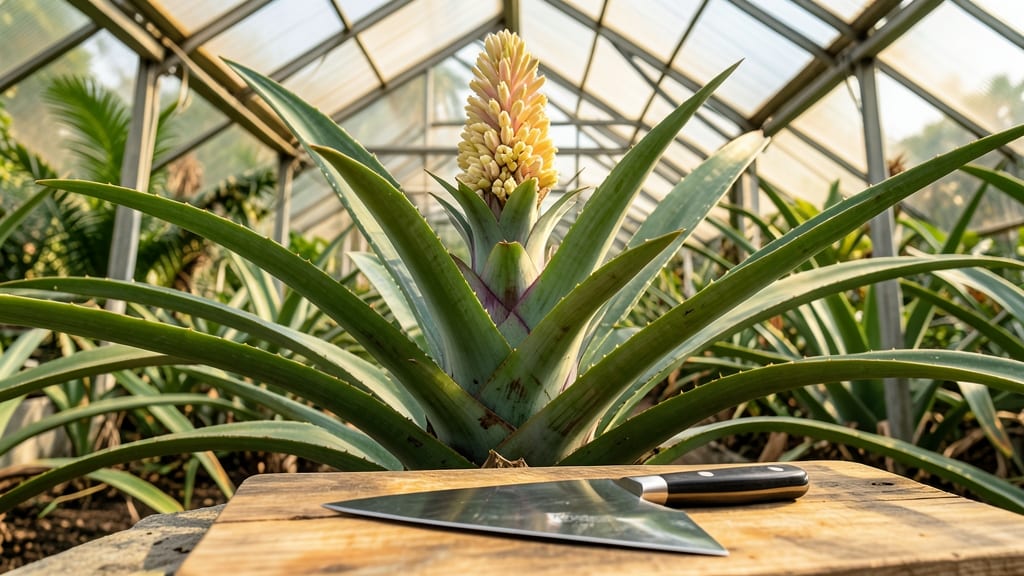
The season of pineapple arrives in tropical climates between late spring and summer—when the fruit’s natural sugars explode into that signature tangy-sweet flavor. 🌿 I’ve tasted pineapples from grocery stores all year, but nothing compares to the burst of flavor. when harvested at the right moment, straight from the plant.
The key lies in understanding your climate’s growing window, whether you’re in Hawaii’s year-round tropics or a temperate zone trying container growing.
In tropical zones like Florida or Hawaii, pineapples grow continuously, but commercial harvests peak in May through August when fruit matures fastest. For cooler climates, container-grown pineapples need winter protection—bring them indoors when temps drop below 50°F—so they can ripen by summer.
The plant itself thrives in warmth, but the fruit’s sugar development slows dramatically in cooler weather, which is why timing matters so much.
What you’ll end up with is fruit that’s shockingly sweet, with a texture that’s juicy yet firm—nothing like the mealy store-bought versions. The secret? Harvest when the base turns golden and the leaves pull away easily.
Even in containers, a single plant can produce 2-3 pineapples over its 2-3 year lifespan, making it a surprisingly rewarding tropical treat for home gardeners.
Works for both backyard growers and commercial plots—just adjust your planting schedule based on your last frost date. In warmer zones, you can harvest year-round with staggered plantings, while cooler climates should focus on spring starts for summer fruit. Here’s how to time it right for your growing conditions.
📚 In This Guide
- What you need
- Instructions
- Tips and common mistakes
- Wrapping up and next steps
What you need
- ● Fresh pineapples: 3–5 (ripe, golden-yellow with a sweet fragrance at the base)
- ● Cutting board: 1 (large, sturdy, with a non-slip mat)
- ● Sharp chef’s knife: 1 (8–10 inches, serrated for easier slicing)
- ● Peeler or vegetable peeler: 1 (for removing the skin)
- ● Measuring cup/spoon: 1 set (for recipes or portioning)
- ● Mixing bowl: 1 (medium-sized, for prepping fruit)
- ○ Citrus juicer (optional but helpful): 1 (for fresh lime/lemon juice)
- ● Kitchen shears: 1 (for trimming tough cores)
- ● Glass jars or containers: 2–3 (for storing or serving)
- ● Plastic wrap or beeswax wrap: 1 roll (to preserve freshness)
- ○ Food processor (optional): 1 (for making pineapple salsa or puree)
- ● Tongs or serving spoons: 1 set (for easy serving)
- ● A clean, well-ventilated workspace (pineapple prep can get messy!)
- ● Time commitment: 15–30 minutes (depending on prep style)
- ● Basic knife skills: Comfortable handling a knife for safety
- ○ Optional: Recipe ideas (grilling, smoothies, or tropical desserts!)
How to identify and select peak-ripeness pineapples
Here's how I spot the sweetest, juiciest tropical fruit—no guesswork required.
🍍 Step 1: Examine the Base for Natural Ripening Signs
Look for a golden-brown base where the pineapple meets the stem—this indicates natural ripening from the vine. A green base means the fruit was picked early and artificially ripened, which often results in less sweetness. Gently squeeze the sides near the base: it should yield slightly, like a ripe avocado, but not feel mushy.
Real talk: the color shift happens gradually. If you're buying from a market, ask when they arrived—pineapples continue ripening 2-3 days after purchase at room temperature. I always check for this first because it's the most reliable indicator of flavor.
🍍 Step 2: Evaluate Leaf Condition and Freshness
The crown leaves at the top should be green and tightly packed, not brown or wilted. Pull back one or two outer leaves: you'll see a small amount of white fuzz where the fruit meets the leaves—this is normal and indicates freshness. If the leaves are dry or crunchy, the pineapple was likely stored too long.
Here's the thing—some sellers trim the leaves too short. A good pineapple has leaves that extend about 1 inch beyond the fruit's top. This protects the fruit during shipping and is a sign the seller handled it with care.
🍍 Step 3: Check Weight and Smell for Mature Fruit
A ripe pineapple should feel heavy for its size—this means it's juicy inside. Lift it in your hand: the heavier it is, the more water content it contains. At the stem end, you'll notice a sweet, tropical aroma when you sniff near the base. If it smells like nothing or has a sour vinegar scent, it's underripe or overripe.
Don't be fooled by shiny skin—this is often a wax coating used to make fruit look fresh in stores. The natural skin should have a slightly rough texture with some small, dry patches. I've learned the hard way that glossy pineapples often lack flavor.
🍍 Step 4: Test Ripeness with the Thumb Trick
Press your thumb into the pineapple's skin near the base. A ripe fruit will give slightly under gentle pressure but won't dent permanently. If it springs back immediately, it's firm and likely underripe. If it leaves a noticeable indentation, it's overripe and may be too soft to eat.
This method works best when combined with the other checks. I always do all four tests together—weight, smell, leaf condition, and the thumb press—to confirm I'm getting the sweetest pineapple possible. The thumb trick is especially useful when you can't see the base color clearly.
🍍 Step 5: Cut Open for the Final Test (If Possible)
If you're buying whole pineapples and can cut one open, look for golden-yellow flesh with minimal green streaks. The core should be tight and compact, not loose or fibrous. Green areas indicate underripeness, while brown spots suggest overripeness.
Don't skip this step if you're buying for a special occasion. I always cut one open first when I can—it's the only way to be absolutely certain. The flesh should smell intensely sweet when you sniff near the cut surface. If it smells bland or fermented, put it back.
Tips & tricks for perfect pineapple selection
Finding the sweetest pineapple isn't just luck—it's a science I've perfected after years of trial and error. Here's how to elevate your tropical fruit game without fail.
Natural Ripening Insight: The golden-brown base in Step 1 is your best friend, but don't overlook the gradual color shift. Pineapples ripen unevenly—some areas may still be green while others turn brown. Focus on the center of the base where the stem meets the fruit, as this is where the most reliable color change occurs. If you're unsure, ask the seller when the pineapple arrived at the store, since they'll continue ripening 2-3 days after purchase at room temperature.
Leaf Condition Secrets: While Step 2 emphasizes green, tightly packed leaves, pay special attention to the white fuzz at the leaf base—this is nature's freshness indicator. I've found that pineapples with leaves extending 1 inch beyond the fruit not only look better but also taste sweeter. This extra length protects the fruit during shipping, preserving its natural sugars. If the leaves are dry or brittle, the fruit likely lost moisture during storage.
Weight and Aroma Technique: The weight check in Step 3 is crucial, but don't stop there. A truly ripe pineapple should feel heavy for its size and emit a sweet, tropical aroma near the base. Here's a pro tip: if you can't smell anything at first, gently rub the base between your fingers—this releases more scent. A sour vinegar smell means it's overripe, while no smell at all indicates underripeness. I've learned that pineapples with rough, matte skin (not shiny) always deliver the best flavor.
Final Verification: When you cut open in Step 5, look for golden-yellow flesh with just a few green streaks—this is the sweet spot. The core should be compact, not loose. I've noticed that pineapples with tight cores tend to be juicier and more flavorful. If you're buying for a special occasion and can't cut one open, trust the combination of the thumb trick (Step 4) and the weight check—they're the most reliable indicators when you can't see inside.
Pro Tips for Season Of Pineapple
- Finding the sweetest pineapple isn't just luck—it's a science I've perfected after years of trial and error.
- Natural Ripening Insight: The golden-brown base in Step 1 is your best friend, but don't overlook the gradual color shift.
- Leaf Condition Secrets: While Step 2 emphasizes green, tightly packed leaves, pay special attention to the white fuzz at the leaf base—this is nature's freshness indicator.
Frequently asked questions
Got questions about Season of Pineapple? You’re not alone! Here are answers to the most common queries—from picking the perfect fruit to troubleshooting common issues.
When is the best time to pick pineapples?
The Season of Pineapple peaks between spring and early summer (March–July) in tropical regions like Hawaii, Costa Rica, and Thailand. For home growers, harvest when the fruit feels heavy for its size, the base leaves pull away easily, and the smell at the base is fruity and sweet (not sour or fermented).
Where can I find pineapples during the off-season?
Off-season pineapples (August–February) are often grown in greenhouses or imported from tropical countries. Look for firm, golden-yellow skins and avoid green or overly soft spots. For the best flavor, opt for fresh, in-season fruit at farmers' markets or specialty grocers.
How do I know if a pineapple is ripe at the store?
Store-bought pineapples are usually picked firm and ripened artificially. To test ripeness: Gently squeeze the sides—it should yield slightly. Listen for a hollow sound when tapped (like a ripe melon). The leaves should pull out easily (a sign of natural ripening). Pro tip: Smell the base—sweet, tropical aromas mean it’s ready!
Why is my pineapple plant not fruiting?
Pineapple plants need 3+ years to fruit and specific conditions. Common issues:
- Insufficient sunlight: Needs 6+ hours of direct sun daily.
- Cold temperatures: Below 50°F (10°C) can stunt growth.
- Lack of fertilizer: Use a balanced, low-nitrogen fertilizer (like 10-10-10) every 2–3 months.
- No "mother" plant: Pineapples fruit from the center of the plant—remove suckers to encourage flowering.
Be patient! Even with care, fruiting can take 18–24 months.
Can I eat a pineapple that’s too ripe or fermented?
Overripe pineapples (soft, mushy, or alcohol-smelling) are edible but unappetizing. Cut out moldy spots and use the rest in smoothies or cooking. If it smells vinegary or rotten, discard it—fermentation can cause foodborne illness. When in doubt, taste a small piece!
How do I propagate a pineapple plant from the top?
After cutting the crown (top) of a pineapple, let it dry for 1–2 days. Trim the leaves to 1–2 inches, then place in water or moist soil. Roots should form in 2–3 weeks. Keep in bright, indirect light and avoid overwatering. It’ll take 2–3 years to fruit!
Wrapping up and next steps
The season of pineapple is your golden ticket to savoring nature’s sweetest, juiciest bounty—packed with flavor and nutrition.
Whether you’re picking fresh fruit, crafting recipes, or simply enjoying its tropical charm, this is the time to indulge mindfully. Don’t let the moment pass—grab a ripe pineapple, share the joy, and make every bite count!
🌟 Ready to Dive In?
Start by visiting a local farm or market during peak season (spring/summer in most regions) and pick one with a sweet aroma and golden leaves. Then, explore our recipe ideas or join a pineapple-lovers community to keep the fun rolling!