
Planting
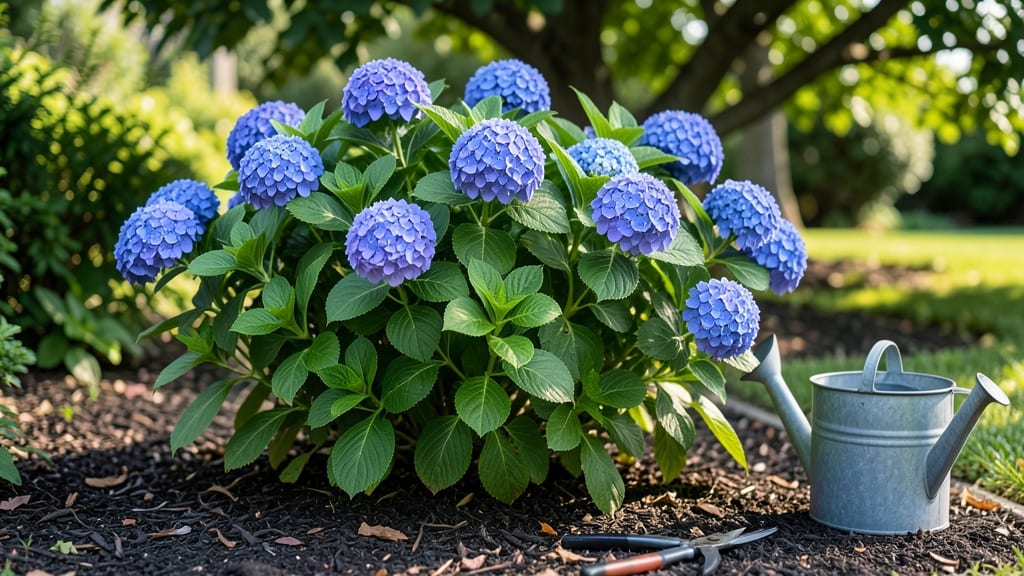
Shade hydrangeas grow well in Zone 5 when you plant them in late spring or early fall, selecting hardy types like Oakleaf or Annabelle that survive down to -20°F. Use thick mulch in winter and choose sheltered spots to shield roots from freezing.
Zone 5's chilly winters can be tough on shade-loving plants, but hydrangeas like Oakleaf and Annabelle have evolved to handle the cold. 🌿 These varieties store energy in their roots during dormancy, then burst into bloom when temperatures rise.
The key is timing—planting in early fall gives roots time to establish before winter, while spring planting avoids late-season frost damage. Just remember: even cold-hardy hydrangeas need protection from wind and extreme cold snaps, especially in their first winter.
For best results, focus on soil moisture and mulch depth. A 3-4 inch layer of organic mulch (like shredded bark) insulates roots while preventing soil heave from freeze-thaw cycles. I've found that grouping hydrangeas near evergreen shrubs creates a natural windbreak, which can make all the difference in harsh winters.
💡 In This Article
- Top Cold-Hardy Hydrangea Varieties for Zone 5
- Zone 5 Hydrangea Planting and Winter Care Guide
Top cold-hardy hydrangea varieties for Zone 5
Zone 5 gardeners have three standout shade hydrangea options that excel in cold climates: Oakleaf (Hydrangea quercifolia), Annabelle (H. arborescens 'Annabelle'), and Limelight (H. paniculata 'Limelight'). Oakleaf hydrangeas earn their reputation through thick, leathery leaves that resemble oak foliage and a natural resistance to -20°F temperatures.
Their late-summer blooms add a bonus—deep red foliage in fall that persists through winter, providing year-round interest. 🍂 Annabelle, meanwhile, boasts massive white blooms that stay intact even after frost, thanks to its sturdy stems that don't flop under snow.
The key difference lies in their growth habits. Oakleaf grows as a large shrub (6-10 feet tall) with a rounded form, making it ideal for focal points. Annabelle stays more compact (3-5 feet) with a bushier shape, perfect for borders.
Limelight stands out with its upright growth (6-8 feet) and cone-shaped blooms that change from green to pink over summer. All three store carbohydrates in their roots during dormancy, which fuels early spring growth—a critical adaptation for Zone 5's short growing season where warm spells can come late.
What most gardeners don't realize is how these varieties handle moisture differently. Oakleaf thrives in consistently moist soil but tolerates brief dry spells better than others due to its thick leaves. Annabelle, however, demands consistently damp soil to prevent flower buds from drying out before blooming.
Limelight is the most drought-tolerant, making it ideal for gardeners who struggle with watering consistency. The trade-off? Limelight blooms later in the season, often missing out on early spring color that Oakleaf and Annabelle provide.
For maximum winter survival, choose plants with established root systems—look for 1-gallon containers or larger. The larger root ball means more stored energy to withstand cold snaps. I've found that Oakleaf's roots penetrate deeper than Annabelle's, which makes it slightly more resilient during freeze-thaw cycles.
This deeper root system also helps Oakleaf recover faster from early spring frosts that might damage emerging shoots.
Consider these key factors when selecting:
- Bloom time: Oakleaf (late summer) vs. Annabelle (early summer) vs. Limelight (mid to late summer)
- Foliage interest: Oakleaf's fall color vs. Annabelle's clean white blooms vs. Limelight's changing flower hues
- Growth habit: Oakleaf's rounded form vs. Annabelle's bushy shape vs. Limelight's upright growth
For Zone 5 gardeners, Oakleaf often emerges as the winner for its combination of cold hardiness, extended bloom season, and seasonal interest. But don't overlook Annabelle's reliability or Limelight's drought tolerance—each offers unique advantages depending on your garden's specific conditions. 🌿