
Planting
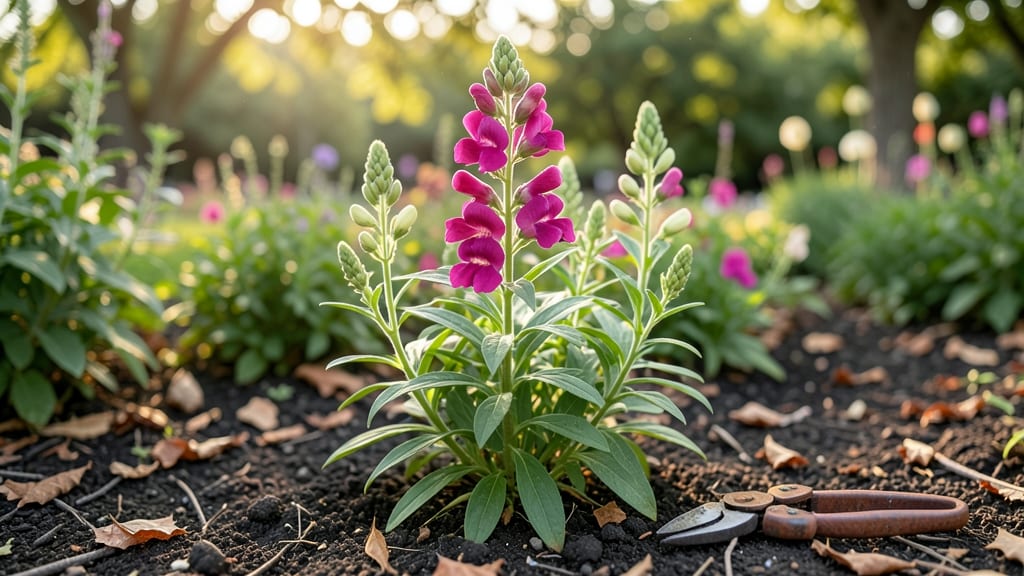
Snapdragons grow best in USDA hardiness zones 7 through 10, with annual varieties handling zones 7-11 and perennials like Antirrhinum majus thriving in zones 7-9. Cool-season types endure light frost, while tropical hybrids require steady warmth.
Choosing the right snapdragon variety for your climate makes all the difference. 🌱 Annual snapdragons stretch their hardiness into zone 11 when given proper care, while perennials like 'Rocket Series' often struggle past zone 9 without winter protection.
I’ve seen gardeners in zone 6 successfully overwinter perennials by mulching heavily and using frost blankets—it’s all about understanding your microclimate. For warmer zones, heat-tolerant hybrids like 'Dragonwing' stay vibrant even when temperatures climb above 90°F.
What’s fascinating is how snapdragons adapt: cool-season varieties actually bloom better when exposed to brief cold snaps, while tropical types may bolt or develop bitter flavors in inconsistent heat.
Always check your local last frost date—planting too early in cold zones can stunt growth, while waiting until after May 15 in warm regions ensures stronger root establishment.
💡 In This Article
- Snapdragon Cold Tolerance: Perennial vs Annual Varieties
- Best Snapdragon Varieties for Different Climates
Snapdragon cold tolerance: perennial vs annual varieties
Snapdragons exhibit dramatic differences in cold tolerance depending on whether they're annual or perennial varieties. Perennial snapdragons, like the classic Antirrhinum majus, typically handle temperatures down to 10-15°F when established, thanks to their deep root systems that insulate the crown.
These hardy types often survive winter in zones 7-9 with minimal protection, though their growth may slow dramatically below 40°F. Annual varieties, however, are generally more tender—most only tolerate brief exposures to 28°F before suffering frost damage to their foliage.
The key difference lies in their biological strategies: perennials store energy in their roots to regrow each spring, while annuals focus all their energy on rapid flowering during their single growing season. 🌡️ For example, 'Black Prince' perennial snapdragons can rebound from winter in zone 6 with heavy mulching, while 'Rocket Series' annuals will bolt and die if exposed to even light frost.
This is why gardeners in marginal zones often treat perennials as "semi-hardy" annuals, replanting them yearly for reliable blooms.
Temperature thresholds also affect flowering patterns. Cool-season snapdragons actually produce more blooms when exposed to 50-60°F nights, which triggers their natural vernalization process. Tropical hybrids, however, may develop bitter flavors or fail to flower properly if nighttime temps stay above 75°F for extended periods.
This explains why 'Dragonwing' series performs best in zones 9-11—its heat tolerance prevents the stress responses seen in cooler-adapted varieties.
What most gardeners don't realize is how microclimates within a zone can shift these thresholds by 5-10°F. A south-facing wall in zone 7 might create conditions suitable for tropical varieties, while a sheltered garden bed could protect perennials against zone 6 winters.
Always consider your specific site conditions when selecting varieties—what works in a coastal zone 8 garden might fail 50 miles inland where temperatures drop more sharply.
For practical application, here's how to match varieties to your climate:
- Zones 4-6: Treat all snapdragons as annuals; use cold-hardy perennials like 'Liberty Hybrid' with winter protection
- Zones 7-9: Perennials thrive with minimal care; annuals perform well in spring/fall plantings
- Zones 10-11: Focus on heat-tolerant annuals like 'Sunburst' series that handle 95°F+ temperatures
Pro tip: Always check your local first frost date—planting annual snapdragons 4-6 weeks before ensures they establish roots before cold sets in. In warmer zones, succession planting every 6-8 weeks maintains continuous blooms through the season. 🌸