
Shrubs
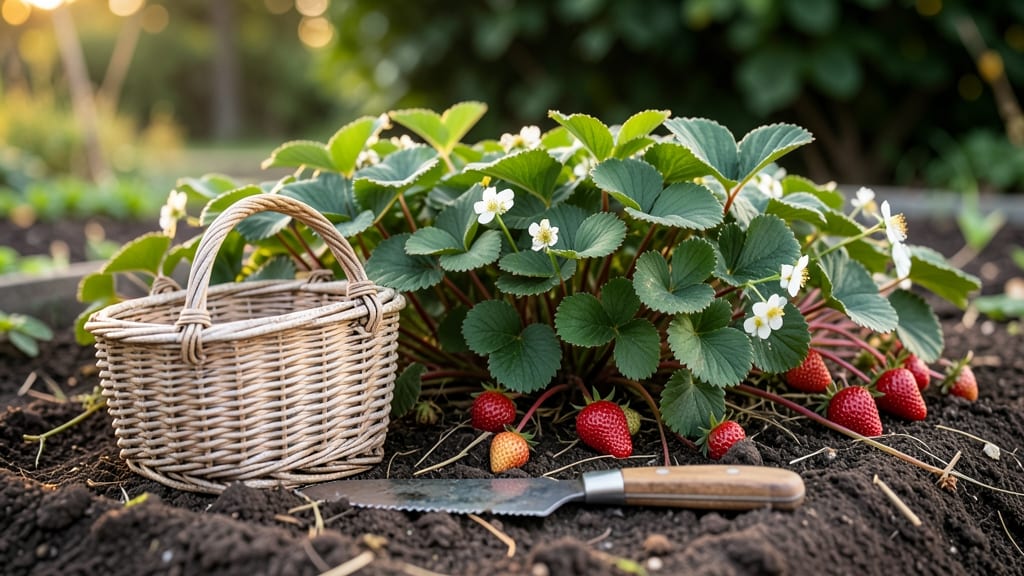
Florida’s strawberry season runs wildly different than anywhere else—spring and fall harvests, not summer. 🌱 The citrus-sweet berries you’ll find in grocery stores in June? Those are trucked in. The real Florida flavor comes from your own patch, planted just right for the Sunshine State’s unique climate zones.
Timing is everything: plant in late fall for spring harvests (February-April) or early summer for fall crops (September-November). The key is avoiding summer’s brutal heat—strawberries need cooler days to set fruit.
Zone 7B-10A growers have the advantage of two full seasons, while northern Florida might only get one reliable fall harvest.
When you nail the timing, you’ll get juicy, fragrant berries with that signature Florida tang—perfect for fresh eating, jams, or summer sips. The first harvest after proper planting can yield up to 1 pound per plant, and with good care, you’ll keep producing for months.
That’s homegrown flavor grocery stores can’t match.
This works whether you’re growing in raised beds, containers, or in-ground plots. The secret is matching your planting window to your zone’s last frost dates—no guessing, just consistent results. Let’s get those berries growing!
📚 In This Guide
- What you need
- Instructions
- Tips and common mistakes
- Wrapping up and next steps
What you need
- ● Fresh Florida strawberries: 1 lb (about 2 cups, hulled and sliced) – peak-season flavor is key!
- ● Fresh citrus: 1 large grapefruit (or 2 small, peeled and segmented)
- ● 1 orange (peeled and sliced, seeds removed)
- ● Simple syrup: 1 cup (equal parts sugar + water, heated until dissolved)
- ● Fresh mint: 8-10 sprigs (for that Florida freshness)
- ● Sparkling water or club soda: 4 cups (chilled)
- ● Ice: 1 cup (plus extra for serving)
- ● High-speed blender or food processor
- ● Fine-mesh strainer or cheesecloth
- ● Mixing pitcher or large bowl
- ● Wooden spoon or muddler
- ● Mason jars or glasses (for serving)
- ○ Citrus zester (optional, for garnish)
- ● Splash of Florida-grown gin or vodka (½ cup, for a boozy twist)
- ● Pinch of cayenne pepper or Tajín for a spicy-sweet kick
- ● Edible flowers (like nasturtiums) for garden-fresh garnish
- ● Lime wheels or rosemary sprigs for elevated presentation
How to extend Florida's strawberry season for year-round harvests
Here’s how I’ve learned to keep strawberries thriving in Florida’s heat and humidity—no winter dormancy required.
🌱 Step 1: Select Heat-Tolerant Varieties and Plant Strategically
Florida’s long growing season demands strawberry varieties bred for 90°F+ temperatures. I recommend Camarosa or Sweet Charlie—both handle heat better than traditional June-bearing types. Plant in late summer (August-September) to avoid winter cold snaps while still establishing roots before summer’s peak.
Choose a location with dappled shade—morning sun and afternoon shade prevent leaf scorch. A raised bed with 12-18 inches of depth improves drainage, which is critical in Florida’s heavy clay soils. I use black plastic mulch to suppress weeds and retain moisture, but leave 6-inch gaps between plants for airflow.
☀️ Step 2: Manage Water and Soil for Florida’s Climate
Strawberries in Florida need consistent moisture—drip irrigation is ideal to avoid wetting leaves, which spreads disease. Water early morning so foliage dries by afternoon. Aim for 1-1.5 inches per week, adjusting for rain. Let the top 2 inches of soil dry between waterings to prevent root rot.
Amend the soil with 2-3 inches of compost before planting, then top-dress with aged compost every 4-6 weeks. Florida’s sandy soils leach nutrients fast, so I add a balanced 10-10-10 fertilizer at half-strength every 6 weeks during fruiting. Avoid over-fertilizing—it leads to lush foliage but fewer berries.
🪴 Step 3: Prune and Protect for Continuous Production
Remove old leaves and runners regularly to redirect energy to fruit production. I prune weak or diseased leaves immediately—they spread fungal issues like gray mold in Florida’s humidity. Leave 6-8 strong leaves per plant to maintain photosynthesis while allowing airflow.
Shade cloth (30-50% block) is a game-changer in peak summer. Install it when temperatures hit 95°F+ to protect berries from sunscald. I also use row covers at night to deter strawberry weevils and birds, which are relentless in Florida. Harvest every 2-3 days—ripe berries won’t wait, and overripe ones attract pests.
✂️ Step 4: Renew Plants Annually for Peak Yields
Florida’s heat exhausts strawberry plants faster than northern climates. Replace 20-30% of plants annually in late summer to maintain vigor. I rotate planting spots to break disease cycles—never reuse the same bed without a 2-year rest. Solarize the old bed by covering it with clear plastic for 6 weeks to kill pathogens.
For a year-round supply, stagger plantings every 6 weeks. This ensures some plants are always fruiting, while others recover. Mulch new plantings with straw (not wood chips) to retain moisture and suppress weeds. Florida’s strawberry season doesn’t have to end—just adapt.
Tips & tricks for extending Florida strawberry harvests
Florida’s relentless heat and humidity make strawberry growing a challenge—but these insights will help you outsmart the climate and keep your plants thriving year-round.
Variety Selection Matters: The 90°F+ tolerance of Camarosa and Sweet Charlie varieties isn't just about heat resistance—it's about their ability to fruit continuously in Florida's climate. These varieties also handle the high humidity better than traditional June-bearing types, which is why they're the gold standard for year-round production. Don't compromise on this step; inferior varieties will struggle with both heat stress and disease pressure.
Shade Strategy for Peak Summer: When temperatures hit 95°F+, your shade cloth becomes non-negotiable. I've seen strawberries literally cook on the vine when left exposed during peak afternoon sun. Install the 30-50% block shade cloth before you see signs of stress—wilting, yellowing leaves, or berries that look sunburned. The key is morning sun for energy production and afternoon shade to prevent heat damage.
Watering Precision: Florida's sandy soils drain like sieves, but consistent moisture is critical. The 1-1.5 inches per week guideline works, but timing matters more. Early morning watering prevents fungal diseases by allowing foliage to dry completely before nighttime humidity sets in. I use a rain gauge to track rainfall so I don't overwater—soggy soil leads to root rot faster than you'd think in our climate.
Nutrient Timing Secret: That 6-week fertilizer schedule during fruiting isn't just about quantity—it's about synchronization. Apply your half-strength 10-10-10 fertilizer right when you see new flower buds forming. This timing ensures the plant has nutrients available exactly when it needs them for fruit development, rather than building up excess foliage that doesn't translate to berries.
Pro Tips for Strawberry Season Florida
- Florida’s relentless heat and humidity make strawberry growing a challenge—but these insights will help you outsmart the climate and keep your plants thriving year-round.
- Variety Selection Matters: The 90°F+ tolerance of Camarosa and Sweet Charlie varieties isn't just about heat resistance—it's about their ability to fruit continuously in Florida's climate.
- Shade Strategy for Peak Summer: When temperatures hit 95°F+, your shade cloth becomes non-negotiable.
Frequently asked questions
When is peak strawberry season in Florida, and how does it affect my shrub?
Florida’s strawberry season peaks from December through April, with the best varieties (like Camarosa and Sweet Charlie) ripening in February and March. For your shrub, this means fresh, vibrant strawberries for muddling or garnishing—just ensure they’re ripe but firm to avoid a mushy drink.
Can I substitute strawberries if they’re not in season?
Swap strawberries for peaches, raspberries, or even mango (for a tropical twist) when out of season. For a citrusy balance, add a splash of orange liqueur or a twist of grapefruit to mimic the strawberry’s brightness. Pro tip: Frozen berries work in a pinch—just thaw and drain excess liquid!
Why does my strawberry-citrus shrub taste off or too sweet?
Overripe strawberries or too much citrus (like lemon or lime) can throw off the balance. Taste as you go! Start with a 1:1 ratio of strawberry purée to citrus juice, then adjust. If it’s too sweet, add a splash of soda water or tonic to cut the sugar. For tartness, a pinch of salt or a few drops of bitters can save the day.
How do I store strawberries to keep them fresh for my shrubs?
Store unwashed strawberries in a paper towel-lined container in the fridge for up to 5 days. For longer storage, freeze them whole (hull and all) in a single layer on a tray, then transfer to a bag. Thaw overnight in the fridge before using—they’ll be perfect for muddling!
Are Florida-grown strawberries better for my shrub?
Florida strawberries are sweeter and more aromatic than out-of-state varieties, thanks to the warm climate and rich soil. Their bold flavor shines in shrubs, especially when paired with citrus. Look for USDA Organic or Florida Farm Fresh labels at local markets for the best taste. Plus, supporting local growers keeps your shrub fresh and sustainable!
Wrapping up and next steps
Florida’s strawberry season brings a burst of sunshine and flavor—perfect for crafting a bold, citrus-kissed shrub that elevates summer sips into something truly special. 🍓✨ Whether you’re a seasoned mixologist or a curious home bartender, this recipe is your ticket to turning fresh, local strawberries into a vibrant, refreshing staple for cocktails, mocktails, or even spritzers.
The best part? You’re just one batch away from tasting the magic of Florida’s peak harvest.
So, grab those ripe strawberries, gather your ingredients, and get mixing! Once your shrub is ready, experiment with your favorite spirits or enjoy it straight as a zesty, fruity syrup. Cheers to summer, one sip at a time! 🍹