
Blooming
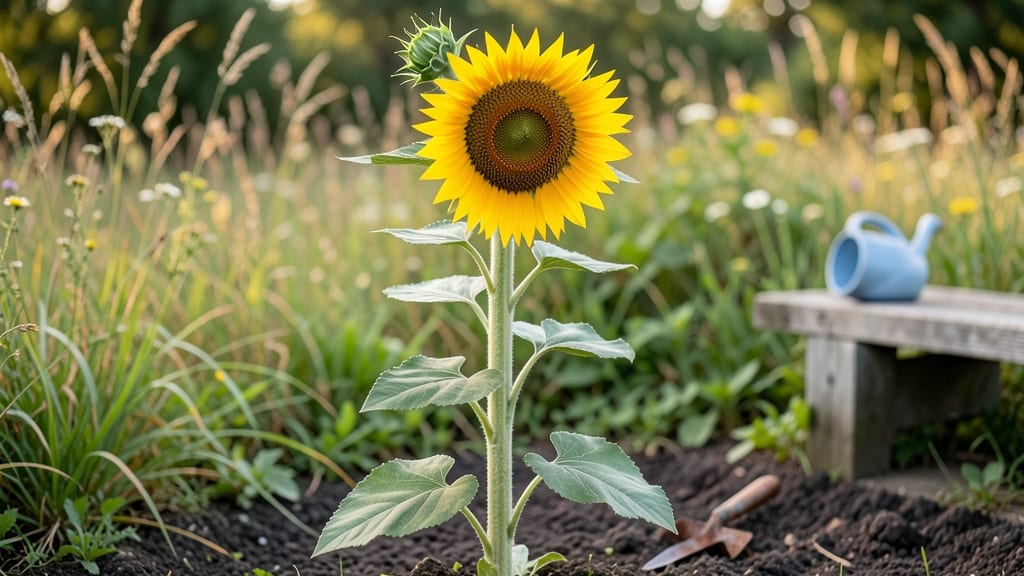
The sunflower season brings towering golden blooms that turn heads and brighten gardens—but getting the timing right is the difference between a showstopping display and a flop.
Picture this: you’ve spent weeks nurturing your 🌻 sunflowers, only to watch frost nip them before they fully open. Or worse, you plant too late and miss the peak blooming window entirely.
The good news? With the right planting schedule, you can extend your sunflower season by weeks—whether you’re in a cool USDA Zone 6a or a warmer climate.
From the first frost in October to the last in April, sunflowers thrive when planted in spring, but the exact months depend on your region. In Zone 6a, aim for April–May after the last frost, while tropical areas can stretch the season into early summer.
I’ll break down the ideal planting windows, frost risks, and even how to push blooms earlier or later with simple tricks.
Ready to turn your garden into a sunflower spectacle? You’ll learn exactly when to sow seeds, how to spot the perfect bloom, and which varieties play best in your climate—so you can enjoy those 10-foot giants from July through October.

Sunflower blooming seasons by U.s. growing Zones: exact months for peak color
Sunflowers thrive on long, sunny days, but their bloom timing varies dramatically across the U.S. Whether you're in Zone 3's frigid north or Zone 10's warm south, understanding your region's frost dates and daylight hours is key to catching those golden faces at their peak.
Early varieties can bloom in late June, while late-season giants may not reach full glory until October—if frost doesn't strike first.
Day-length sensitivity plays a major role: sunflowers are short-day plants in cooler zones but respond to increasing daylight in warmer areas. Microclimates—like urban heat islands or coastal breezes—can also shift bloom windows by 2-4 weeks.
Let’s break down the exact months for peak sunflower color by USDA zone, so you can plan your garden for maximum impact.
🌻 Pro Tip: Always check your local last-frost date (not the USDA average) and adjust planting by 1-2 weeks if your microclimate runs cooler or warmer. Use row covers in early zones to extend the season.
| USDA Zone | Peak Bloom Window | Early Varieties | Late Varieties | Frost Risk |
|---|---|---|---|---|
| 3-4 | Late July–Early Sept | 'Autumn Beauty' (55 days) | 'Moulin Rouge' (85 days) | High (Sept frost) |
| 5-6 | Mid-July–Mid-Sept | 'Teddy Bear' (50 days) | 'Russian Giant' (120 days) | Moderate (Oct frost) |
| 7-8 | Late June–Late Oct | 'Lemon Queen' (60 days) | 'ProCut' (90 days) | Low (Nov frost) |
| 9-10 | May–December | 'Sunspot' (45 days) | 'Mammoth' (130 days) | None (year-round) |
🌡️ Note: Coastal areas in Zones 7-9 may bloom 2-3 weeks earlier due to cooler summers.
In Zones 3-4, where summers are short, opt for early-maturing varieties like 'Autumn Beauty' to avoid frost. These 55-60 day varieties bloom by late July, giving you a 6-8 week window of color before the first frost.
Plant seeds 2 weeks after your last frost date for best results, as soil temperatures below 50°F slow germination.
Gardeners in Zones 5-6 enjoy a longer season, with blooms stretching from mid-July to mid-September. Here, succession planting works wonders: sow seeds every 2 weeks from mid-May to early July to ensure continuous blooms.
Late varieties like 'Russian Giant' need 120 days, so start them indoors 6-8 weeks before transplanting to beat the October frost risk.
Warmer Zones 7-8 offer the most flexibility, with blooms possible from late June to late October. This is prime territory for tall varieties like 'ProCut', which thrive in longer daylight and produce cut-flower-quality stems.
In these zones, heat-tolerant hybrids like 'Lemon Queen' resist bolting and maintain vibrant color even in 90°F+ temperatures.
Southern gardeners in Zones 9-10 can grow sunflowers year-round, with peak blooms from May to December. The key here is water management: provide deep watering 2-3 times per week during dry spells to prevent flower drop.
Varieties like 'Sunspot' mature in just 45 days, making them ideal for fall and winter harvests in warmer microclimates.
🌱 Regional Adjustments: Urban areas often run 5-10°F warmer than rural zones, delaying frost by 1-2 weeks. If you're in a Zone 6 city like Chicago, you might safely extend your season into early November. Conversely, high-altitude gardens in Zone 7 (e.g., Colorado Springs) may only see blooms until late
How to extend your sunflower season: pro tips for earlier or later blooms
Sunflowers thrive on timing, but seasonal constraints don’t have to limit your golden blooms. With the right strategies, you can coax earlier flowers or stretch the season well into fall.
The key lies in variety selection and protective techniques that shield tender plants from late frosts or early heat.
Cold-hardy varieties like 'Autumn Beauty' or 'Moulin Rouge' tolerate cooler temperatures and can bloom 2-3 weeks earlier than traditional types. Meanwhile, succession planting with fast-maturing hybrids like 'Early Bird' (50-day maturity) lets you stagger blooms all season long.
Earlier Blooms vs. Later Blooms
Earlier Blooms
- Pros: Beat frost, extend spring displays
- Cons: Risk of bolting in heat
Later Blooms
- Pros: Fall harvests and extended color
- Cons: Heat stress in drought
Fast-Maturing Varieties
- Example: 'Early Bird' (50 days)
- Best for: Succession planting
Traditional Varieties
- Example: 'Russian Giant' (120 days)
- Best for: Max height and seed production
For earlier blooms, start seeds indoors 4-6 weeks before your last frost date. Transplant seedlings outdoors when soil reaches 50°F—this jumpstarts growth by 3-4 weeks compared to direct sowing. Pair this with black plastic mulch, which warms soil 5-10°F faster than bare earth.
To extend the season, try succession planting every 2-3 weeks from late spring to early summer. This creates a rolling bloom effect, ensuring fresh flowers even when early plants fade. For heat-prone areas, opt for drought-resistant hybrids like 'ProCut', which thrive in 90°F+ temperatures without wilting.
Protect young plants with floating row covers during late spring frosts—these add 2-3°F of warmth while allowing sunlight through. Remove covers when buds form to prevent overheating. For fall extensions, choose short-day varieties like 'Teddy Bear', which bloom reliably even as daylight shortens.
Water deeply once a week during drought periods to encourage strong root systems. Mulch with straw or wood chips to retain moisture and regulate soil temperature. With these tricks, you’ll enjoy sunflowers from spring to frost—no seasonal limits!