
Picking
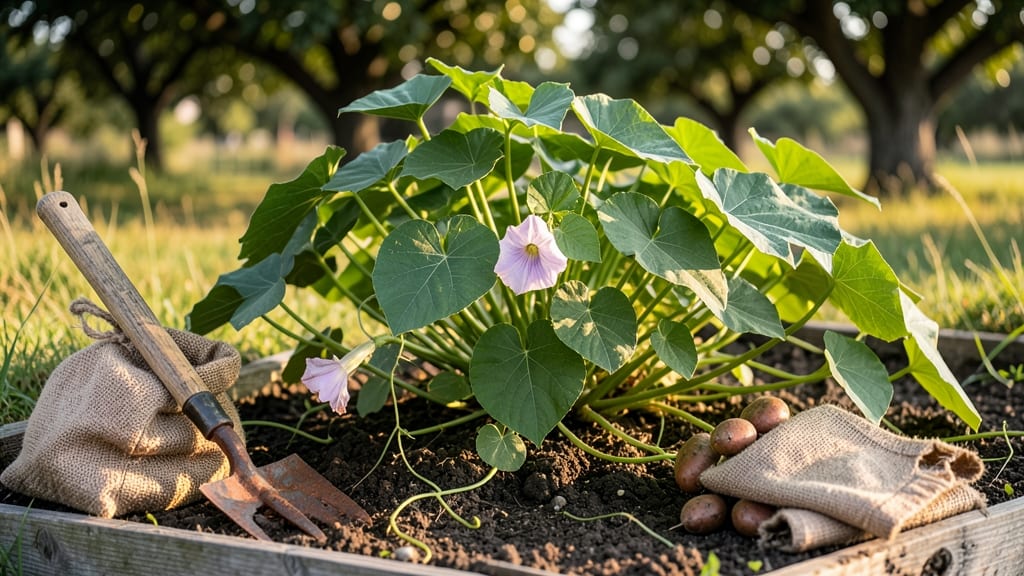
Sweet potato season transforms your garden into a treasure trove of orange goodness—just when the air smells like sun-warmed soil and late summer humidity. 🌱 In my zone 8 garden, the sweet potatoes start swelling underground by mid-September, but timing shifts dramatically depending on where you live.
Plant too early, and you’ll get woody tubers; too late, and frost ruins your harvest before the roots bulk up.
The magic happens when you align planting with your local frost dates and soil temperatures. In warm climates like Florida or Texas, you can plant sweet potatoes in spring or even late winter, while northern gardeners wait until after the last frost—usually late May or June.
The secret’s in the heat: sweet potatoes need at least 90-100 days of warm weather to develop properly, so check your USDA zone to avoid disappointment.
By harvest time, you’ll be digging up vibrant, glossy-skinned tubers that store for months—perfect for roasting, mashing, or baking. The key is watching the foliage: when the leaves yellow and die back, that’s your cue to gently harvest before the first frost.
Cure them in a warm, humid spot for 10 days, and you’ll have sweet potatoes that taste sweeter than anything from the store.
Whether you’re in a short-season zone or a long, hot summer, this guide helps you time it right. Pro tip: mulch heavily to keep the soil warm and retain moisture—it makes all the difference in maximizing your yield. Ready to dig in?
📚 In This Guide
- What you need
- Instructions
- Tips and common mistakes
- Wrapping up and next steps
What you need
- ● Sweet potatoes: 5–10 lbs (freshly harvested, firm, and free of soft spots). Aim for Beauregard, Garnet, or Jewel varieties for peak flavor!
- ● Garden tools: Hand trowel or small fork (for gentle digging)
- ● Gloves (heavy-duty, to protect hands from thorns or rough soil)
- ● Storage supplies: Paper bags or breathable mesh sacks (to allow ventilation)
- ● Wooden crates or cardboard boxes (for transport)
- ● Harvesting: Pruners (for cutting vines if needed) or a small shovel for larger patches.
- ● Cleaning: Brush (stiff-bristle) and a bucket of water (for rinsing dirt).
- ○ Optional (but handy!): Portable scale (to weigh your haul accurately)
- ● Cooling pad or insulated tote (to keep sweet potatoes fresh post-harvest)
- ● Camera or journal (to document your sweet potato season adventures!)
- ● Know your USDA Zone (sweet potatoes thrive in Zones 3–11, but peak harvest timing varies!).
- ● Check local regulations if foraging wild sweet potatoes (some areas restrict harvesting).
- ● Plan for dry weather 1–2 days before picking—soil should be loose for easy digging!
When to harvest sweet potatoes: your zone-by-zone guide
Here's how to time your harvest perfectly—no more digging too early or waiting too long.
🌱 Step 1: Know Your USDA Zone's Typical Harvest Window
Sweet potatoes mature in 90-120 days after planting, but timing varies by zone. In zones 7-9 (the South and Southwest), peak harvest occurs in October through November when daytime temps drop to 65-75°F—this signals the plants are shifting energy to storage roots. In cooler zones 4-6 (Midwest and Northeast), aim for late September to early October before the first hard frost.
Watch for the leaves—when they start yellowing and wilting, that's your first cue. The vines may still look green, but the roots are ready. I always check a few test hills by gently digging up one plant to peek at the size. If the roots are 3-4 inches long with smooth, tan skin, they're perfect.
☀️ Step 2: Time Your Harvest by Weather Patterns
Sweet potatoes need 4-6 weeks of warm, dry weather after vines die back to cure properly. In zones 10-11 (California, Florida, Hawaii), harvest in September-October when monsoon rains taper off. If you're in a rainy zone, wait until the forecast shows 5+ dry days—wet conditions cause rot during curing.
Mornings after a light rain are ideal for digging. The soil is moist enough to slide roots out easily but not waterlogged. I like to harvest on a cloudy day—the roots won't scorch in the sun as they cure. If frost threatens before your zone's typical window, harvest immediately, even if the roots aren't fully sized.
✂️ Step 3: Dig Carefully to Avoid Damaging Storage Roots
Use a garden fork or trowel to gently loosen soil around the base of the plant. Work outward in a circle, lifting the plant and its roots without pulling. Sweet potato roots bruise easily, so avoid sharp tools—even a small cut can lead to rot during storage. If you see a root with a damaged spot, set it aside for immediate use (like roasting) and save the undamaged ones for long-term storage.
Shake off excess soil but don't wash the roots. The natural dirt acts as a protective barrier. Lay them in a single layer on a flat surface (like a tarp) to air-dry for 1-2 hours in a shady spot. This step is critical—moisture trapped on the roots speeds up spoilage.
🪴 Step 4: Cure for Maximum Sweetness and Shelf Life
After drying, move the sweet potatoes to a curing space with 80-85°F and 80-85% humidity for 7-10 days. A dark closet, garage, or even a cardboard box with a heat lamp works. In cooler zones, use a seedling heat mat set to 80°F to maintain the temperature. The curing process thickens the skin and converts starch to sugar, making them sweeter and longer-lasting.
Check daily for any soft spots or mold—remove those immediately. Once cured, store in a 55-60°F space with good airflow, like a root cellar or pantry. Properly cured sweet potatoes keep for 4-6 months. If you're in a humid climate, wrap each root in newspaper before storing to prevent moisture buildup.
Tips & tricks for perfect sweet potato harvest timing
Mastering the art of sweet potato harvesting means nailing the window—here's how to avoid common pitfalls.
Zone-Specific Watch List: In zones 7-9, set reminders for October through November when daytime temps drop to 65-75°F. I've learned the hard way that waiting until the first frost in zones 4-6 means digging up underdeveloped roots—always harvest before that first freeze. The 90-120 day maturity window is your baseline, but local weather patterns often adjust the timeline by 1-2 weeks.
Weather-Proofing Strategy: That 4-6 week dry cure period after harvest is non-negotiable. I keep a moisture meter handy to verify soil conditions—if it's above 40% humidity, delay harvest by 3-5 days. Cloudy mornings after light rain are ideal for digging because the soil stays workable while protecting tender roots from sun scorch. In rainy zones, wait for that 5-day dry stretch—wet conditions during curing lead to moldy storage roots.
Root Inspection Secret: When testing roots in Step 1, look for smooth tan skin and a length of 3-4 inches. The key detail nobody mentions? Gently squeeze the root—if it feels firm with no soft spots, it's ready. I always set aside any damaged roots for immediate cooking because even small cuts compromise long-term storage quality. This simple pressure test saves hours of potential spoilage later.
Curing Space Hacks: For that critical 7-10 day cure at 80-85°F, I repurpose my garage with a seedling heat mat when my home gets too cool. Place roots on a wire rack to allow airflow—this prevents mold better than stacking them. In humid climates, I wrap each root in newspaper before storing to absorb excess moisture without suffocating the roots.
Pro Tips for Sweet Potato Season
- Mastering the art of sweet potato harvesting means nailing the window—here's how to avoid common pitfalls.
- Zone-Specific Watch List: In zones 7-9, set reminders for October through November when daytime temps drop to 65-75°F.
- Weather-Proofing Strategy: That 4-6 week dry cure period after harvest is non-negotiable.
Frequently asked questions
Got questions about sweet potato season? You’re not alone! Here are answers to the most common queries to help you make the most of this delicious harvest time.
When is the best time to harvest sweet potatoes?
Sweet potatoes are typically ready for harvest 85–120 days after planting, depending on the variety. Look for leaf yellowing and vines dying back—a sure sign it’s time! Avoid digging too early, as immature tubers bruise easily. In cooler zones (USDA 5–7), aim for late September to October.
Can I eat sweet potatoes right after harvesting?
Freshly dug sweet potatoes are edible but not ideal for storage. Let them cure for 5–10 days in a warm (80–85°F), humid spot to thicken skins and sweeten flavors. Cure them before storing in a cool, dark place (55–60°F) to extend freshness for months.
What if my sweet potatoes are sprouting or rotting?
Sprouting? Trim sprouts and store in a cool, dry place (like a root cellar). Rotting? Check for moisture buildup—sweet potatoes need good airflow. If stored properly, they should last 4–6 months. Discard any mushy or moldy tubers immediately!
Are there alternatives if sweet potatoes aren’t in season?
Yes! While nothing beats fresh sweet potatoes, try stored sweet potatoes (canned or frozen) or seasonal swaps like yams, regular potatoes, or butternut squash. For a similar texture, roast beets or carrots—just adjust cooking times and seasonings!
Do sweet potatoes grow in all USDA zones?
Sweet potatoes thrive in zones 9–11 year-round but need warmth to grow. In cooler zones (5–8), plant after the last frost (60°F+ soil) and use black plastic mulch to extend the season. Short-season varieties (like ‘Georgia Jet’) work best in northern climates.
Wrapping up and next steps
Sweet potato season is your golden ticket to flavor-packed harvests—whether you’re a backyard gardener or a market shopper! 🌱 From the warm embrace of Zone 9 to the cooler climates of Zone 5, timing your pick ensures sweeter, more nutritious tubers.
Now that you’re armed with the perfect months and pro tips, there’s no better time to dive in.
Ready to roll up your sleeves? Start by marking your calendar for your zone’s peak season, then grab a basket and head out—fresh sweet potatoes are waiting! 🥔✨ Pro tip: Share your harvest with friends or freeze extras for year-round enjoyment. Happy picking!