
Container Gardens
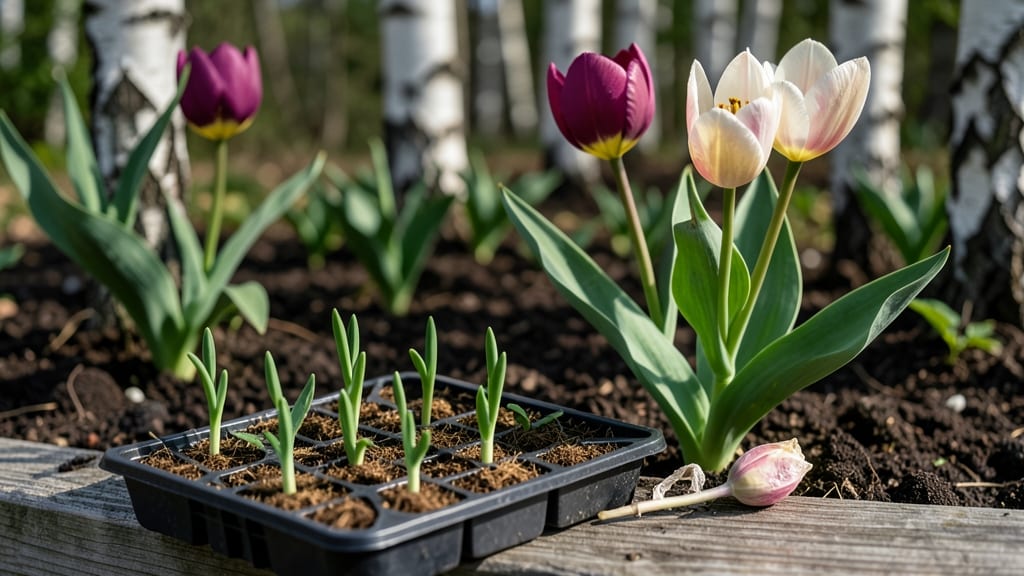
The tulip growing season starts with a simple rule: plant bulbs in fall for spring blooms, but timing it right is everything.
Picture this: you’ve just dug up a bag of bulbs, ready to transform your yard into a sea of 🌷 come April. But if you plant too early or too late, you might as well have tossed them in the trash.
The difference between a thriving tulip bed and a sad, floppy failure often comes down to knowing your USDA zone and the exact window for planting.
Most gardeners in Zone 6a (like me) aim for September through November, but that’s just the starting point. Your local climate, soil type, and even whether you’re planting in pots or the ground can shift that timeline by weeks.
And if you’re in a warmer zone, spring planting might actually work—though it’s trickier to pull off.
Here’s what you’ll discover: the perfect planting months for your zone, how to adjust for early or late frosts, and the little tricks (like mulching or choosing the right varieties) that keep your tulips blooming year after year without fail.
Tulip planting months by USDA Zone: exact timing for success
Timing your tulip bulbs correctly is the secret to showstopping spring blooms. Plant too early, and they’ll rot; too late, and they won’t flower. The USDA zone you live in dictates the perfect window—typically 6-8 weeks before frost in fall or early spring.
Let’s break it down by zone so you can plant with confidence.
In USDA Zones 3-5, where winters are harsh, fall planting is critical—September through early November—to give bulbs time to root before the ground freezes.
Warmer zones (Zones 6-10) offer more flexibility, but even there, timing matters. Spring planting is possible in mild climates, but fall remains the gold standard for most gardeners.
Here’s your zone-by-zone planting schedule, including early, mid, and late windows to account for frost risks and local variations. Use this as your planting calendar to avoid common mistakes like overwatering or planting too shallow.
| USDA Zone | Fall Planting Window | Spring Planting Window | Frost Risk | Pro Tip |
|---|---|---|---|---|
| Zones 3-4 | Late August to mid-October | Not recommended | High (first frost: mid-October) | Use straw mulch (4 inches) to insulate bulbs. |
| Zones 5-6 | September to November 1st | March 15-April 15 | Moderate (first frost: late October) | Plant dwarf varieties first—they bloom earlier. |
| Zones 7-8 | October-November or January-February | February-March | Low (first frost: December) | Spring-planted bulbs need extra sunlight (6+ hours). |
| Zones 9-10 | November-December or January | February-April | Minimal (rare frosts) | Use container planting for mobility in frost pockets. |
For Zones 3-4, prioritize early September planting—this gives bulbs time to develop roots before the ground freezes. In my Zone 4 garden, I’ve found that planting by October 1st guarantees blooms, while waiting until November risks weak stems.
Always check your last frost date and plant 6-8 weeks prior.
In Zones 5-6, you have a slightly longer window, but don’t drag it out past November 1st. Spring planting is possible here, but bulbs may not establish as strongly.
I’ve had success with March planting in sheltered beds, but I always add a thick layer of mulch to protect them from late frosts.
Gardeners in Zones 7-10 enjoy the most flexibility. You can plant in fall or spring, but fall is still best for long-term bulb health.
In my Zone 8 garden, I’ve planted tulips in January with great results—just be sure to water them deeply after planting to encourage root growth before the heat arrives.
One critical mistake I see often? Planting tulips too shallow. Bulbs need 6-8 inches of soil above them to thrive. In heavy clay soils, add compost or sand to improve drainage. Also, avoid planting where water pools—tulips hate soggy roots.
If you’re in a microclimate (like a urban heat island or near a lake), adjust your timing by 1-2 weeks. For example, if your area runs 2°F warmer than the zone average, plant 2 weeks later in fall. Always monitor your soil temperature—50-60°F is ideal for planting.
Finally, remember that tulip varieties bloom at different times. Early bloomers (like ‘Early Harbinger’) can handle slightly later planting, while late bloomers (like ‘Darwin Hybrid’) need the full 6-8 weeks. Mix varieties to extend your spring color show!
How to adjust tulip planting for your local climate variations
Your local climate can dramatically impact when—and how—to plant tulips. Urban heat islands trap warmth, while early frost zones demand earlier planting. Even a microclimate near your house or fence can shift ideal timing by weeks. Let's adjust your approach to match your specific growing conditions.
First, identify your last average frost date—this is your planting deadline. For example, in USDA Zone 5, aim for mid-October, but in Zone 8, you might plant until mid-December. Use local weather apps or your Cooperative Extension Service for precise data.
⚠️ callout warning ⚠️
If your area has unpredictable late frosts (like Zone 6-7), plant dwarf varieties first—they bloom earlier. For standard tulips, wait until 6 weeks before your last frost or use frost blankets for protection. Urban areas often stay warmer—plant 2 weeks later than rural guidelines.
For urban heat islands, where pavement and buildings raise temperatures, plant tulips 2-3 weeks later than the general schedule. The extra heat can trick bulbs into sprouting too early, risking frost damage. Test your soil temperature—if it's above 50°F for more than 2 weeks, delay planting.
Use mulch (3-4 inches) of straw or shredded leaves to insulate bulbs in cold climates (Zones 3-4). In warmer zones (7-10)light mulch (1-2 inches) to prevent overheating. For container gardening, bury pots in straw or leaves before winter to mimic ground insulation.
Adjust planting depth based on your climate: Deeper (8 inches) in hot, dry zones (like Zone 9-10) to protect bulbs, and shallower (6 inches) in cold, wet zones (like Zone 3-4) where soil freezes deeply. Always plant in well-draining soil—waterlogged bulbs rot faster in humid climates.
Finally, choose varieties suited to your zone. Early bloomers (like 'Early Harbinger') thrive in Zone 3-5, while late bloomers (like 'Darwin Hybrid') handle Zone 6-9 heat better. Mix varieties to extend your bloom season by 4-6 weeks!