
How To
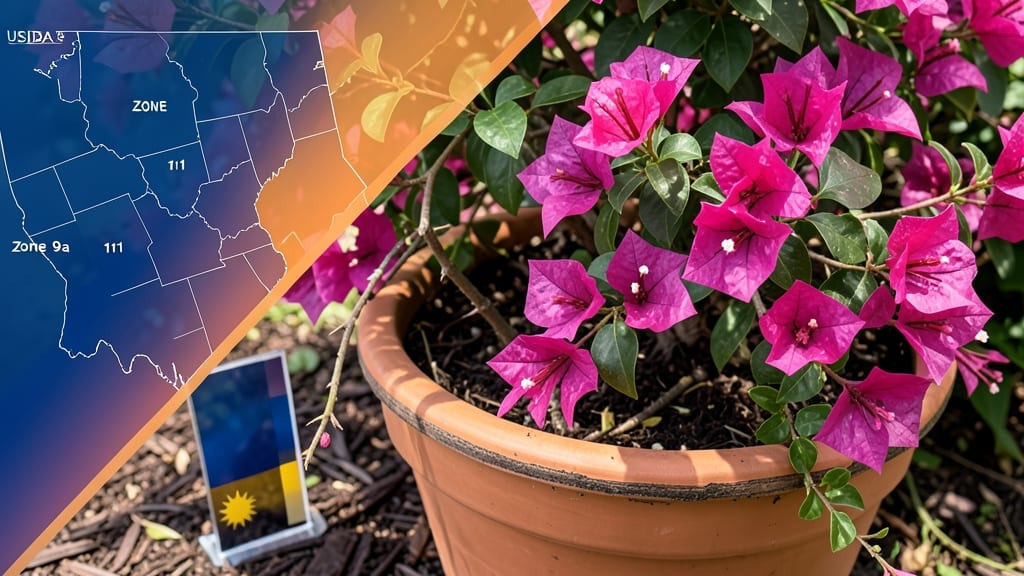
USDA Planting Zones 9 to 11 define warm climates where winter lows range from 20-30°F in Zone 9 to almost frost-free conditions in Zone 11, demanding heat-loving plants like bougainvillea and citrus. Timing your plantings around rainfall cycles and avoiding late-season frosts is key to thriving gardens.
These zones aren't just about temperature—they reflect microclimate variations that can shift planting success by weeks.
For example, coastal areas in Zone 10 may experience cooler summer fogs, while inland regions bake under 110°F+ heat, requiring shade-tolerant varieties. 🌡️ I always recommend testing your soil temperature with a thermometer—most tropical plants need 65°F+ to germinate, and cooler pockets can delay growth by months.
What sets these zones apart is their year-round growing potential, but that comes with challenges like fungal pressure in humidity and water scarcity during dry seasons. The solution?
Mulch heavily with wood chips or straw to retain moisture, and choose native plants that've evolved to handle your specific climate quirks—like agave or yucca for desert-adjacent areas.
💡 In This Article
- How Microclimates Shift Planting Strategies in Zones 9-11
- Best Heat-Resistant Plants and Planting Calendar for Zones 9-11
How microclimates shift planting strategies in zones 9-11
Microclimates in Zones 9-11 create dramatic variations even within a single neighborhood. For instance, urban areas can experience "heat islands" where asphalt and concrete raise temperatures by 5-10°F compared to surrounding rural zones. This means your backyard might hit 105°F while nearby fields stay at 95°F.
Coastal regions add another layer—morning fog can delay soil warming by 2-3 weeks compared to inland areas, where direct sun heats soil to 85°F+ by noon. 🌡️
Elevation changes also dramatically affect frost risk. A garden at 1,000 feet in Zone 10 might experience 30°F dips during cold fronts, while valley floors remain above 40°F. This is why citrus trees thrive in low-lying areas but struggle on hillsides.
Even wind patterns matter—open areas lose moisture 30% faster than sheltered spots, requiring 20-30% more watering for the same plants. A simple test: Place a soil thermometer at 4-inch depth for a week to map your garden's heat zones.
These variations explain why some gardeners in Zone 11 can grow tropical fruits year-round while others struggle with root rot from excess humidity. The solution? Divide your garden into 3 microclimate zones: sun-exposed, partially shaded, and protected areas.
Use reflective mulch (like silver plastic) in hot zones to reduce soil temps by 10°F, while adding windbreaks in exposed areas cuts evaporation by 40%. 🌿
Water evaporation rates provide another critical clue. In Zone 9's dry seasons, water can evaporate 2 inches per week from open soil, while mulched beds lose only 0.5 inches. This means your citrus trees might need triple the water in summer compared to winter.
The key is matching plant placement to these microclimates—drought-tolerant bougainvillea thrives in hot, dry zones, while hibiscus prefers humid, shaded spots.
Don't overlook the 30-day rule for planting adjustments: If your microclimate runs 2 weeks cooler than the zone average, delay warm-season plants by 14-21 days. For example, tomatoes in a foggy coastal Zone 10 garden should go in late May instead of mid-April.
Use low-tech tools like thermometers, wind gauges, and even plant growth charts to fine-tune your schedule. 📊
Here's a quick microclimate mapping checklist to get started:
- Measure soil temps: Check at 4-inch depth for 7 days to find hot/cold spots
- Observe wind patterns: Note where leaves dry fastest or plants wilt
- Test moisture retention: Dig 6-inch holes and time how long they stay damp
- Record sun exposure: Use a sun chart to track hours of direct light
With these adjustments, you'll transform your garden from a guesswork operation to a precision system that maximizes every season's potential. The payoff? Plants that thrive year-round with minimal stress—and fewer failed experiments. 🌱