
Vegetables
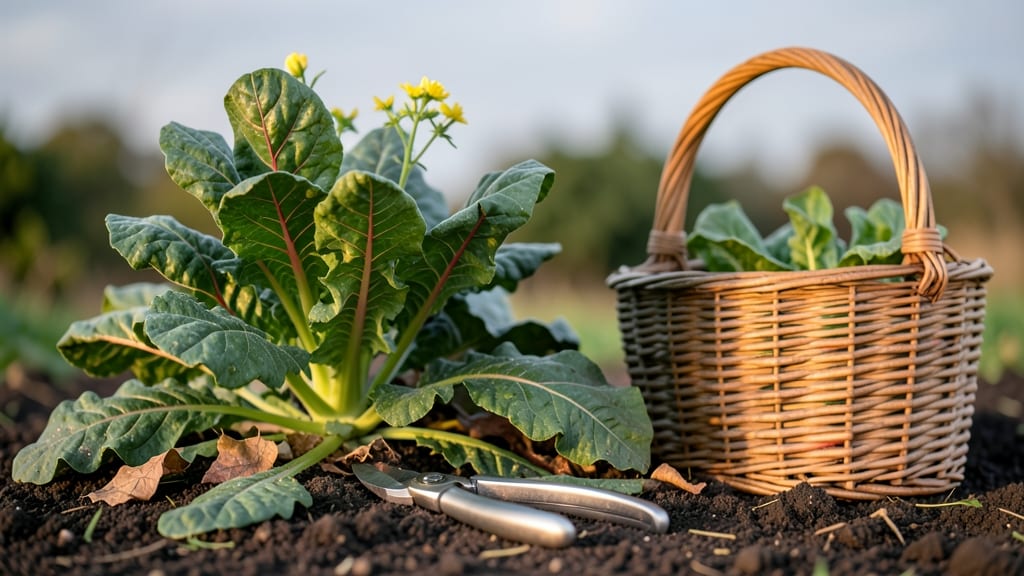
Collard greens are in season during spring and fall, with the best flavor and yield appearing between March and June and again from October to November in most regions.
If you love collard greens but struggle to find fresh, flavorful leaves at the grocery store, timing is everything—this leafy green thrives in specific seasons depending on where you live.
In cooler climates like USDA Zone 6a, your best bet is to plant in March or August for harvests that avoid frost, while warmer zones can enjoy them year-round with the right care.
Below, I’ll break down the exact months for peak harvests by region, plus tips to extend your season and keep your 🥬 collard greens growing strong all year.
Exact collard greens season by u.s. growing zones: month-by-month breakdown
Collard greens are a cool-season crop that thrives when temperatures dip, making their seasonal availability highly dependent on your USDA hardiness zone. Unlike heat-loving crops, they actually sweeten in frost and produce their best flavor in mild to cool weather.
Whether you're sourcing from farmers' markets or growing your own, understanding these month-by-month windows ensures you never miss peak harvests.
In northern zones (3-6), collard greens grow best from late spring through fall, while southern zones (7-11) can enjoy them nearly year-round with proper care. The key is planting at the right time—too early risks bolting from heat, and too late means stunted growth before frost.
Let’s break down the exact months for planting, growing, and harvesting based on where you live.
🌱 Pro Tip: Use this guide to align your planting schedule with local frost dates. Most seed packets include a frost-free day calculator—pair it with this zone breakdown for foolproof timing.
In Zones 3-5, where winters are harsh, focus on spring and fall plantings. Seed directly in early spring (March-April) for a May-June harvest, then again in late summer (August-September) to enjoy autumn flavors before frost.
These zones benefit from row covers or cold frames to extend the season—even a light frost improves sweetness!
Gardeners in Zones 6-7 have the advantage of two full growing seasons. Start seeds indoors in February for an April transplant, then direct-sow in July for a September-October harvest.
The key here is succession planting: Sow every 3-4 weeks to ensure a steady supply. Cold-hardy varieties like 'Blue Max' thrive here and can handle 20°F temperatures.
For Zones 8-9, collard greens are a year-round possibility—but summer heat is the enemy. Plant in winter (January-February) for a spring harvest, then again in mid-summer (June-July) to avoid bolting.
Use shade cloth (30-50%) during peak heat to protect leaves. Varieties like 'Georgia Southern' are heat-tolerant and perfect for these zones.
In Zones 10-11, where frost is rare, timing shifts to avoid summer heat. Plant in fall (September-October) for a winter harvest, then again in early spring (February-March).
Use shade cloth or drip irrigation to prevent stress. Heat-loving varieties like 'Vates' perform best here, though morning harvests keep leaves crisp.
🌡️ Temperature Alert: Collard greens bolt (flower premature
How to extend collard greens season: year-round harvesting tips for any climate
Collard greens are famously cold-hardy, but even they have limits—especially in warmer climates where summer heat can stress plants. The good news? With the right strategies, you can enjoy fresh collard greens nearly year-round.
Whether you're in Zone 3 with harsh winters or Zone 10 with year-long growing potential, these techniques will keep your plants thriving beyond their natural fall and spring seasons.
My secret weapon? A combination of cold-hardy varieties, protective gear, and smart planting schedules. For example, I've successfully grown collards in January using row covers, while others in hotter regions extend harvests into summer with shade cloth. The key is understanding your climate's quirks and adapting your approach accordingly.
For winter growing, I swear by low tunnels covered with agricultural fabric. These create a microclimate that traps heat while allowing light penetration. In my Zone 5 garden, this method lets me harvest collards in December when most neighbors are stuck with wilted store-bought leaves.
In hotter zones, focus on shade and irrigation. Drip irrigation keeps roots cool, while shade cloth prevents the plants from bolting prematurely. I've had success growing collards in July by combining 50% shade cloth with morning watering—the leaves stay tender and sweet, not bitter.
Pro tip: Harvest strategically to extend production. Always pick outer leaves first, leaving the inner growth points intact. This encourages continuous regrowth for 8-10 weeks per planting. Pair this with succession planting, and you'll have fresh collards for 6+ months in most climates.
Don't forget soil health! Amend beds with compost before planting and top-dress with aged manure in early spring and fall. Healthy soil = resilient plants that handle seasonal extremes better. With these tricks, you'll enjoy homegrown collards year-round, no grocery store in sight! 🥬