
Planting
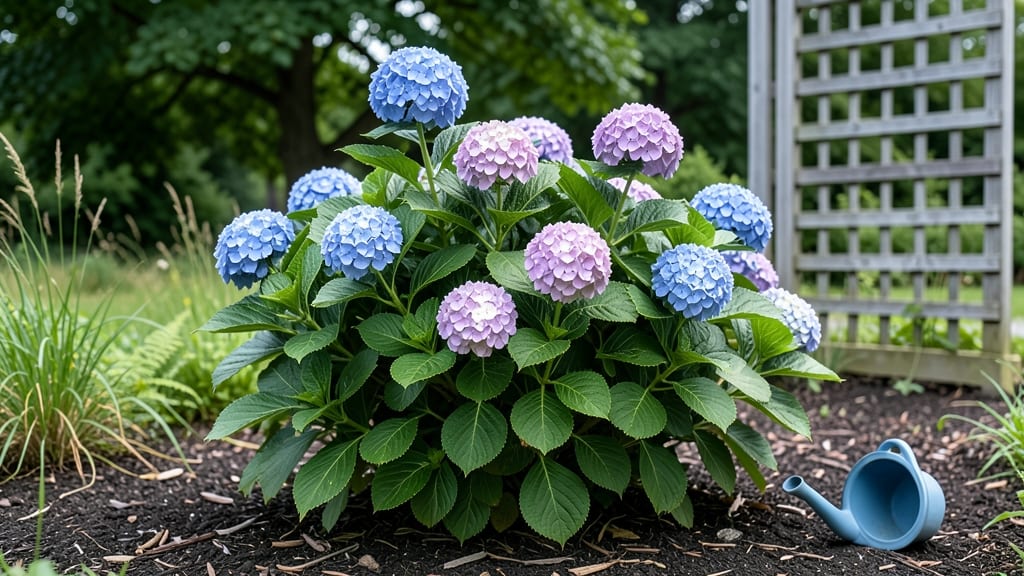
USDA Zone 7B features average minimum temperatures between 10°F and 5°F (-12°C to -15°C), with last spring frost typically around April 15 and first fall frost around November 15, though local conditions can shift these dates by 2-4 weeks. Plant hardy perennials in early spring, tender annuals after frost, and protect sensitive crops with row covers or mulch during late-season cold snaps.
Understanding USDA Zone 7B means recognizing how your specific location within this zone can dramatically affect planting times. 🌱 Elevation changes, nearby water bodies, and urban heat pockets all create microclimates that can push frost dates earlier or later than the average.
For example, areas near large lakes might experience delayed spring frosts, while higher elevations could see earlier cold snaps. This variability is why gardeners in Zone 7B should monitor local weather forecasts and consider using frost-sensitive plants like tomatoes only after confirming the last frost date.
Another key consideration is how these temperature ranges influence plant selection.
Zone 7B's mild winters allow for a wide variety of both cool-season and warm-season crops, but timing is everything. 🌿 Cool-season vegetables like spinach and peas can often be planted in early spring, while tender crops like basil and cucumbers should wait until after the last frost date.
The 10°F to 5°F range also means you can overwinter many perennials without protection, though late-season cold snaps can still catch gardeners off guard.
💡 In This Article
- Understanding USDA Zone 7B Climate Patterns and Frost Risks
- Best Plants for USDA Zone 7B: Seasonal Planting Calendar
Understanding USDA Zone 7B climate patterns and frost risks
Zone 7B's frost dates aren't just random numbers—they're shaped by three key climate mechanisms. First, elevation plays a massive role: every 1,000 feet gain in altitude typically drops temperatures by 3.5°F. That means a mountain garden at 2,000 feet might experience frosts 2-3 weeks earlier than valley locations.
Second, urban heat islands create pockets where temperatures stay 5-10°F warmer at night, delaying spring frosts by 1-2 weeks in city centers compared to rural areas.
Finally, large bodies of water act as temperature regulators, with lakes and rivers creating 5-10 mile buffers where frost dates can shift by 7-14 days.
The 10°F to 5°F minimum temperature range in Zone 7B actually represents a critical threshold for plant survival. This range corresponds to USDA Hardiness Zones 7a and 7b, where plants can tolerate brief exposures to these temperatures.
However, what most gardeners don't realize is how radiation frost—the type that forms on clear, calm nights—can push temperatures 5-10°F lower than official records. This explains why tender crops like eggplant (which dies at 32°F) might get damaged even when the official frost date hasn't arrived.
The key is monitoring low-temperature alerts rather than relying solely on average frost dates.
Understanding these patterns helps explain why your garden might experience late-season cold snaps even after the official frost date. For example, in November, a cold front can drop temperatures to 28°F—well below the 32°F threshold—damaging sensitive crops like basil or okra.
This is why gardeners in Zone 7B need to use row covers or black plastic mulch to create 2-4°F warmer microclimates around vulnerable plants.
The science here involves heat retention: dark mulch absorbs sunlight during the day and radiates warmth at night, while row covers trap ground heat like a greenhouse.
Here's what these climate patterns mean for your planting strategy: Cool-season crops like broccoli and kale can often survive 20-30°F temperatures, while warm-season crops like tomatoes need to be protected when nighttime temps drop below 50°F.
The April 15 spring frost date represents a 90% probability of no frost after that date, but the remaining 10% risk explains why many gardeners wait until May 1 to plant tender annuals. This statistical approach—balancing risk and reward—is how experienced Zone 7B gardeners maximize their growing season.
Consider these microclimate factors when planning your garden layout: South-facing slopes get 2-3 hours more sunlight than north-facing areas, while low-lying spots near water can stay 5°F warmer at night. Urban gardens with concrete surfaces might experience 10°F warmer daytime temperatures but 5°F colder nights due to heat absorption/release cycles.
These variations mean your 50-foot backyard could have multiple microclimates requiring different planting strategies. 🌡️
For those tracking frost dates, the National Oceanic and Atmospheric Administration (NOAA) provides local frost probability maps that account for these microclimates. Many gardeners also use frost-sensitive plants like petunias as early warning systems—when these die overnight, you know a hard frost is coming.
The combination of scientific data and practical observation creates the most reliable planting schedule for Zone 7B.