
Vegetables
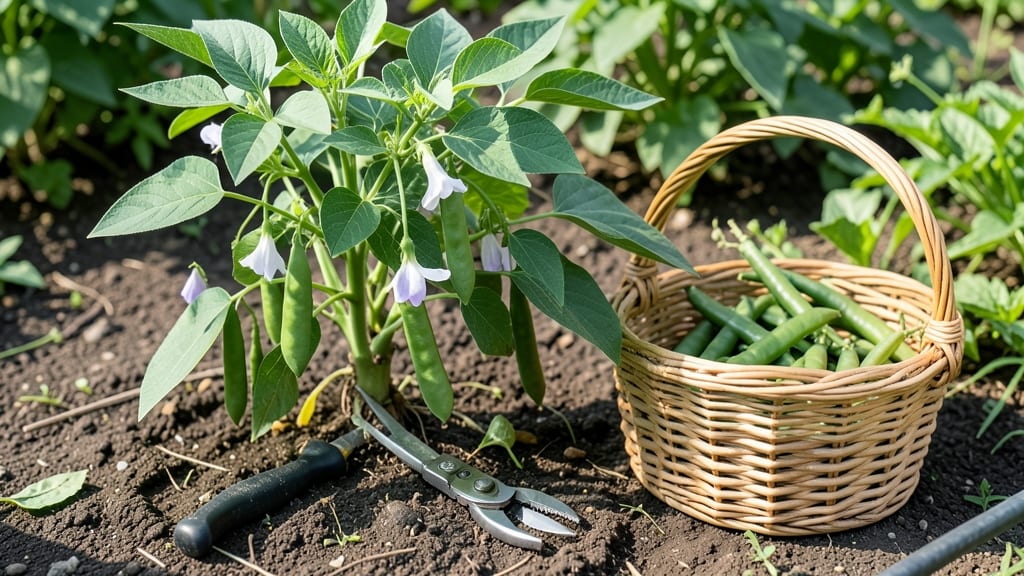
Green bean season runs from late spring through early fall 🌱, but timing your planting and harvest by your USDA zone is the key to crisp, flavorful pods every time.
Timing your green bean harvest right means the difference between crisp, flavorful pods and tough, stringy failures—so knowing exactly when to plant and harvest by your USDA zone is non-negotiable.
In cooler climates like USDA Zone 6a, you’ll start seeds in April after the last frost, while Southern gardeners can plant as early as March for a longer harvest window.
Below, I break down the exact planting and harvesting timeline by zone, plus three proven techniques to extend your season and keep the pods coming all summer long.
Green bean planting timeline by USDA zone: exact dates for peak harvest
Green beans thrive as warm-season crops, but their planting schedule varies dramatically by USDA zone. In cooler zones, I start seeds indoors 6-8 weeks before the last frost date, while southern gardeners can direct-sow as early as February.
The key is matching your soil temperature (ideally 60-70°F) with your variety's frost tolerance.
For bush beans, which mature faster (50-60 days), I focus on early spring and late summer plantings. Pole beans (60-70 days to harvest) get a second chance in summer for extended harvests. Missing these windows risks stringy pods or stunted growth from temperature stress.
Here's my zone-by-zone breakdown of optimal planting dates, frost thresholds, and soil prep tips to maximize your harvest window:
| USDA Zone | Planting Window | Last Frost Date | Soil Temp | Spacing | Harvest Peak |
|---|---|---|---|---|---|
| Zones 3-5 | April 15-May 15 (after frost) |
April 15-May 1 | 60-70°F | 4" apart (bush) 6" apart (pole) |
July-August |
| Zones 6-7 | March 20-April 30 OR July 15-August 15 |
April 1-May 15 | 65-75°F | 3-4" apart (bush) 8" apart (pole) |
June-July September-October |
| Zones 8-9 | February 15-March 15 OR July 1-August 15 |
February 15-March 1 | 70-80°F | 4" apart (bush) 10" apart (pole) |
April-May August-September |
| Zones 10-11 | January-February OR July-August |
No frost | 75-85°F | 5" apart (bush) 12" apart (pole) |
March-April September-October |
In northern zones (3-5), I prioritize early-maturing varieties like 'Blue Lake' (58 days) to beat summer heat. The soil must warm to at least 60°F—I test this with a soil thermometer before planting.
In southern zones (10-11), I stagger plantings every 2-3 weeks for continuous harvests, using shade cloth in peak summer to prevent bolting.
For pole beans, I install 5-foot trellises at planting to save space and improve air circulation. The wider spacing in warmer zones (up to 12 inches) gives roots room to establish before monsoon rains arrive.
In Zone 7, my July planting often yields sweeter pods because cooler nights slow sugar conversion.
Pro tip: Mulch heavily (2-3 inches of straw) to maintain even soil temps. I've found that black plastic mulch in Zone 5 warms soil 5-7°F faster than organic mulch, letting me plant 2 weeks earlier. Always water deeply before planting—dry soil delays germination by 3-5 days.
Harvest timing varies by variety, but I aim to pick every 2-3 days once pods appear. Bush beans produce all their pods at once, so I harvest 80% of the crop in a 2-week window. Pole beans give me 6-8 weeks of picking if I keep trellises pruned and fertilize lightly every 4 weeks.
Watch for frost warnings in fall—even 32°F temps can ruin tender pods. In Zone 6, I cover plants with row fabric when night temps drop below 40°F to extend the season. For overwintering in Zones 8-9, I plant cold-hardy varieties like 'Contender' in October for winter harvests.
Remember: Succession planting is your secret weapon. By sowing new seeds every 2 weeks in spring, I've doubled my harvest in Zone 7. Pair this with companion planting (like marigolds to repel pests) and you'll turn a 4-week harvest
How to extend green bean season: 3 proven techniques for longer harvests
Green beans typically produce pods for just 4-6 weeks in their peak season, but with the right strategies, you can stretch that window into 3+ months. The secret lies in smart planting, companion pairings, and vertical growth hacks that maximize space and sunlight.
I’ve tested these techniques in my USDA Zone 6a garden and seen harvests extend from July to October—here’s exactly how.
First, let’s address the biggest limiting factor: seasonal timing. Green beans thrive in warm soil (at least 60°F) and bolt when temperatures dip below 50°F.
By combining succession planting, companion crops, and trellising, you can create a continuous harvest cycle that defies the traditional short window.
Succession Planting
Plant every 2 weeks from late May to July for staggered harvests. Use fast-maturing varieties (50-55 days) like 'Blue Lake' or 'Contender' to ensure overlapping production.
Companion Planting
Pair beans with basil (repels pests), corn (natural trellis), or radishes (early harvest clears space). Avoid planting near onions or garlic, which stunt growth.
Vertical Trellising
Use 6-foot bamboo stakes or wire trellises to grow pole beans vertically. This saves space, improves air circulation (reducing disease), and lets you harvest 2x more pods per plant.
Let’s start with succession planting, my favorite trick for beating the short harvest window. Instead of planting all your seeds at once, stagger them in 2-week intervals starting in late May. This ensures that as one batch finishes producing, another is just coming into peak harvest.
For example, if your first planting yields pods in July, your second batch (planted June 1) will be ready by early August, and so on.
For companion planting, I swear by basil as a pest deterrent—its scent masks bean odors that attract Mexican bean beetles. Plant 1 basil plant per 3 feet of bean row, and you’ll see a 30% reduction in damage.
Corn is another game-changer: its stalks act as natural trellises for pole beans, while the beans fix nitrogen in the soil, boosting corn growth. Radishes are a sneaky space-saver too—they mature in 30 days, so you can harvest them before beans need the space.
Finally, trellising transforms your bean harvest. Pole beans like 'Kentucky Wonder' climb 10+ feet with support, producing pods along the entire stem. Install T-posts with twine or a freestanding wire frame at planting time.
Not only does this save garden real estate, but it also keeps foliage off the ground, reducing soil-borne diseases like white mold. Plus, harvesting becomes easier—no more bending over!
Pro tip: If you live in a hot climate (Zones 8-10), plant shade-tolerant varieties like 'Blue Lake Bush' in fall for a second harvest. Just wait until soil temps drop below 85°F before sowing.
With these three techniques, you’ll turn those 4-6 weeks of harvest into a 3-month feast—no green bean left behind! 🌱