
Orchid Care
January may seem like the dullest month for fresh produce, but these crisp winter vegetables prove otherwise. Discover underrated winter harvests that add vibrant flavors and nutrition to your meals—perfect for gardeners and home cooks alike.
Brussels Sprouts Roasted with Balsamic
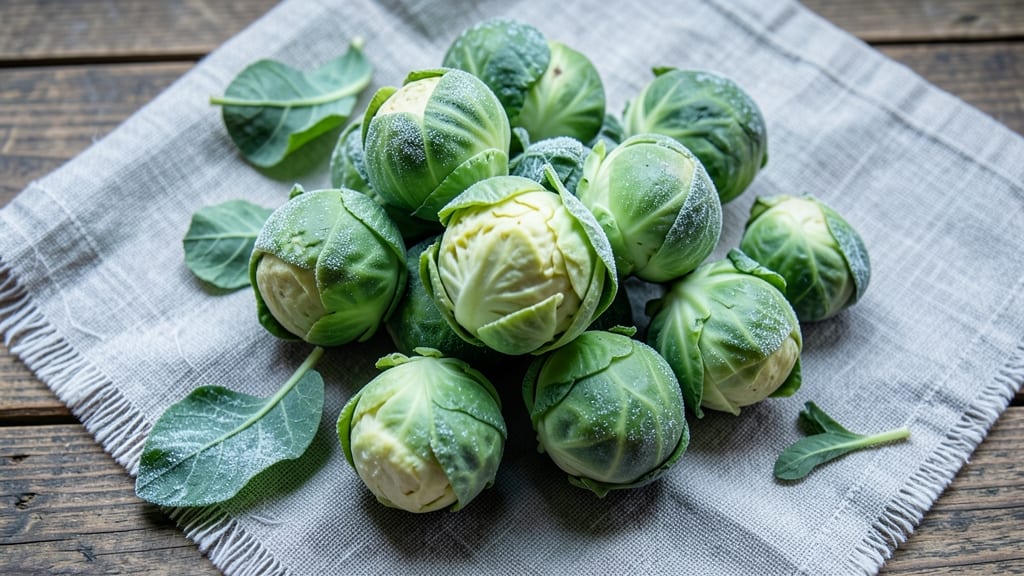
When winter’s bite sharpens, Brussels sprouts become your garden’s unsung hero—packing more nutrients per bite than almost any other winter veggie. These little cabbage cousins love the cold, sweetening as frost hits, and their vitamin K and fiber content makes them a powerhouse for immunity and digestion.
To grow them, plant in cool-season beds (4-6 weeks before last frost) with well-draining soil and full sun. Space them 18-24 inches apart—they’ll mature in 85-100 days, but don’t rush: smaller sprouts taste sweeter. For harvest, twist them off the stalk when firm (about 1-1.5 inches wide).
Urban gardeners can even grow them in large containers—just ensure they have support for their weight. Roast halved sprouts with olive oil, garlic, and a splash of balsamic glaze for a caramelized finish that’s pure comfort food. 🌱
Celeriac Mash for Creamy Soups
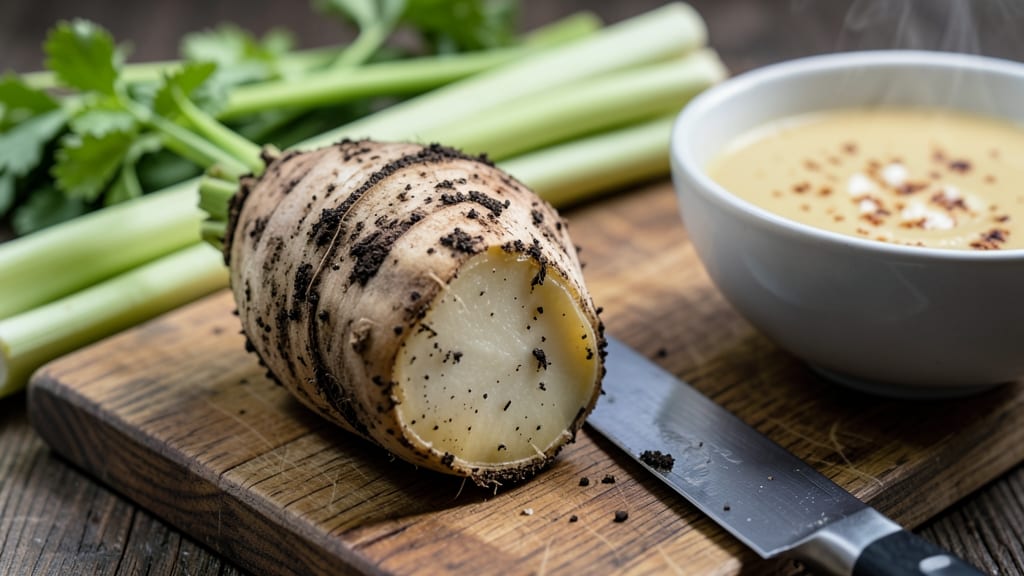
If you’ve ever dismissed celeriac as just a fancy cousin of celery, it’s time to reconsider this winter garden treasure. Its knobby roots pack a silky, nutty flavor that transforms creamy soups, mash, and even gratin into showstoppers—all while thriving in cold weather.
Grow celeriac in well-drained soil with full sun to partial shade, and harvest before the first frost for the best texture. Store unwashed roots in a cool, dark place for up to 3 months. For soups, peel and boil until tender, then blend with cream, butter, or broth for a velvety base that’s far more interesting than plain potatoes.
This versatile veggie is a game-changer for gardeners who want to extend their harvest season and cooks craving depth in winter dishes. 🌱
Winter Kale Salad with Citrus
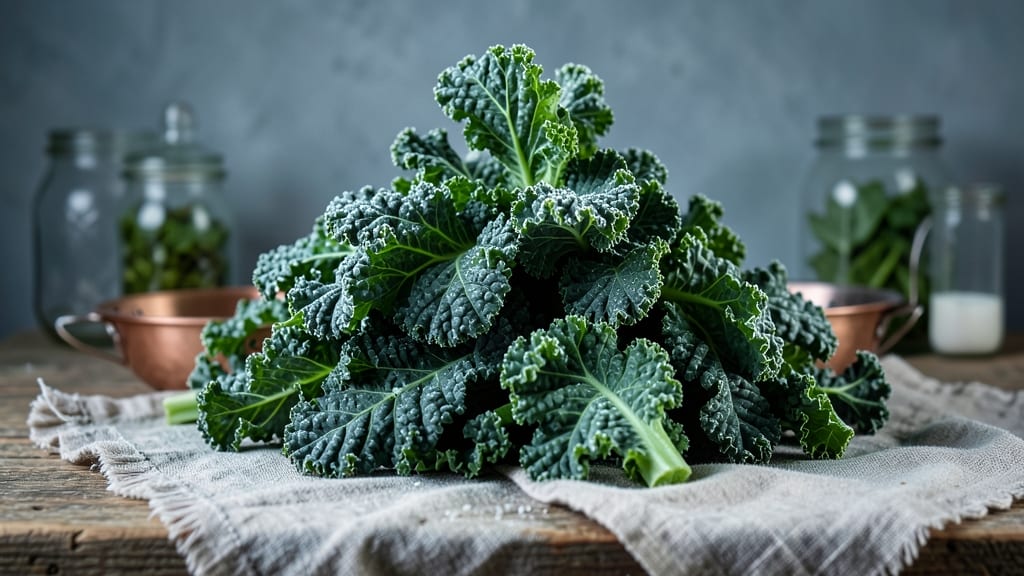
When winter’s bite makes fresh greens seem like a distant memory, winter kale proves that cold weather can’t dull its flavor. This hardy leafy green thrives in frosty temperatures, delivering a peppery crunch that brightens any January table. Its resilience makes it a gardener’s favorite for extending harvests well into the new year.
To maximize its potential, harvest young leaves for tender salads or let it mature for heartier stir-fries. Pair it with citrus slices (like blood oranges) to balance its bold taste, and toss in toasted nuts or olive oil for extra richness. Kale’s high vitamin C and A content also makes it a nutritional powerhouse—perfect for boosting winter immunity.
Urban gardeners and small-space growers will love how kale adapts to containers, while home cooks can source it fresh from winter markets. Whether you’re growing it or grabbing it from the store, this versatile green turns January into a month of vibrant, flavorful meals. 🌱
Leeks Sautéed in Butter and Parsley
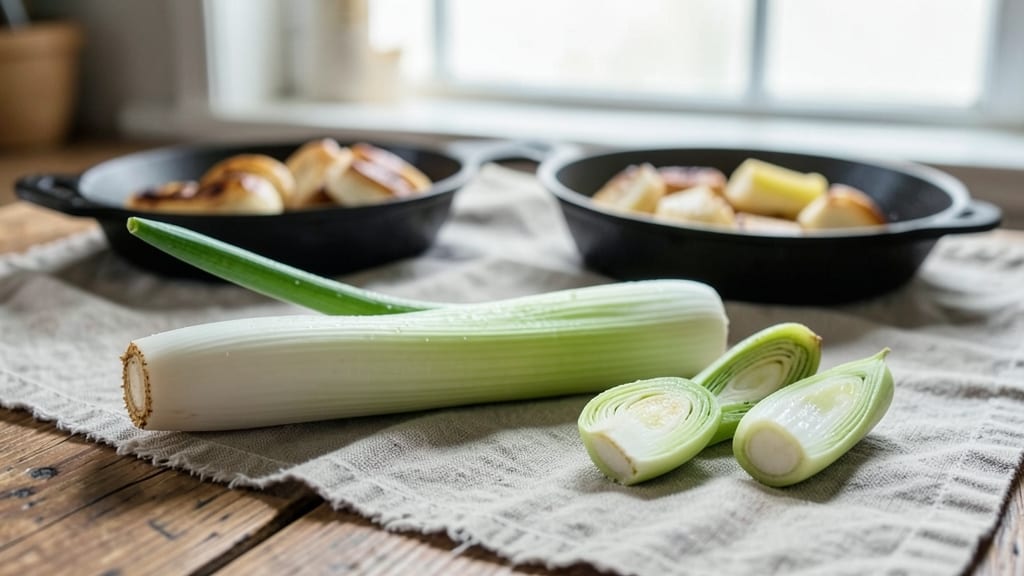
If you’re craving a mild, sweet vegetable that thrives in winter’s chill, leeks are your answer. Their tender white and light green shafts add depth to soups, stews, and quick pan-seared dishes—all while standing up to cold temperatures better than many other veggies.
Leeks are easy to grow in containers or garden beds, requiring well-drained soil and partial shade in hotter climates. Start seeds indoors 8-10 weeks before the last frost, or plant young sets in early spring. Harvest when the stalks reach 1 inch in diameter, cutting just above the soil line to encourage regrowth. Their versatility makes them a winter garden MVP—sauté them in butter and parsley for a simple side dish or blend them into creamy soups.
This low-maintenance veggie is perfect for beginners or urban gardeners with limited space. Plus, their long storage life means you can enjoy homegrown flavor well into spring. 🌱
Fennel Bulbs for Raw or Roasted Dishes
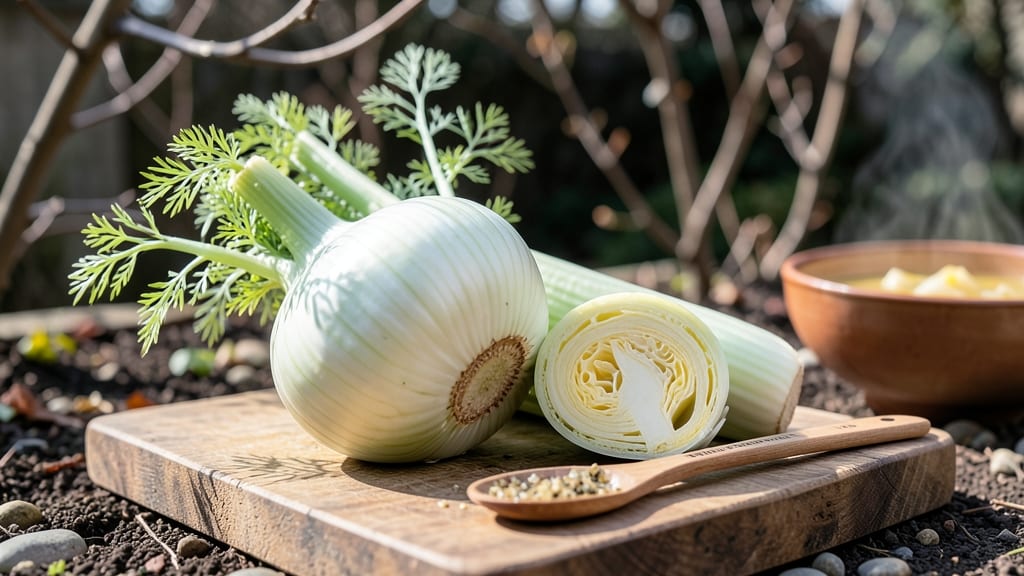
Looking for a winter vegetable that adds a unique, licorice-like flavor to your meals? Fennel bulbs are your secret weapon—crisp when raw, tender when roasted, and packed with anise notes that brighten soups, salads, and more.
Grow them in well-drained soil with full sun to partial shade, and harvest when the bulbs reach 3-4 inches in diameter. For roasting, halve the bulb, drizzle with olive oil, and sprinkle with salt before baking at 400°F (200°C) for 30-40 minutes until caramelized. Store unwashed fennel in the fridge for up to 2 weeks or freeze sliced bulbs for later use.
This versatile veggie thrives in cool weather, making it a perfect January garden addition—ideal for urban gardeners with limited space or beginners eager to experiment with bold flavors. 🌱
Turnip Greens Stir-Fried with Garlic
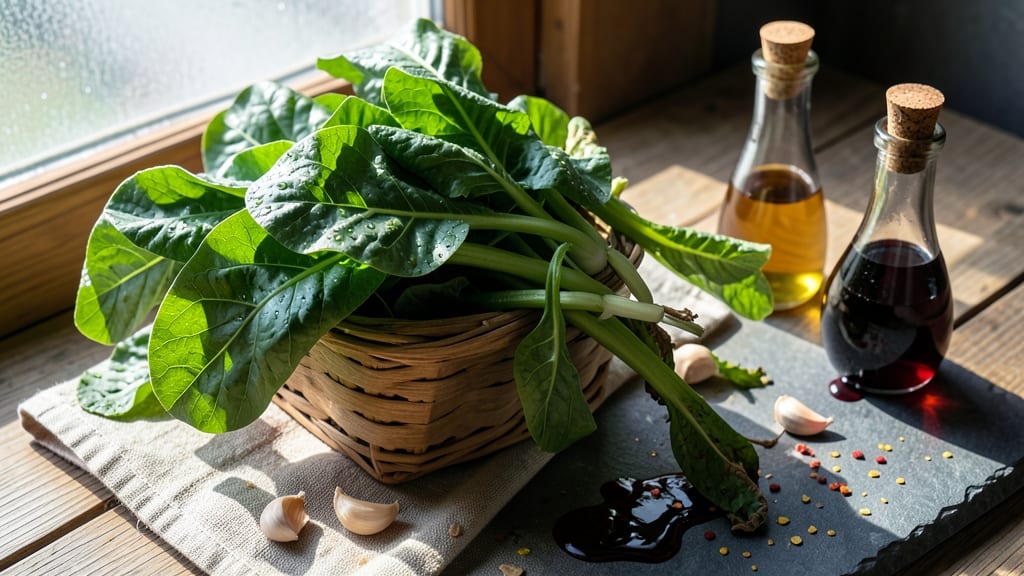
If you're craving a bold, iron-rich winter green that stands up to bold flavors, turnip greens are your secret weapon. These leafy greens thrive in cool weather, offering a peppery bite that pairs perfectly with garlic, chili flakes, and vinegar-based dressings.
Harvest them when young for tender leaves, or let them mature for a more robust flavor. They grow quickly—ready in just 30-40 days—and prefer well-drained soil with full sun to partial shade. For maximum nutrition, harvest the outer leaves first, allowing the plant to keep producing.
Perfect for gardeners in USDA Zones 3-10, turnip greens are a low-maintenance crop that rewards you with year-round harvests if you extend the season with row covers. 🌱
Parsnips Caramelized with Honey
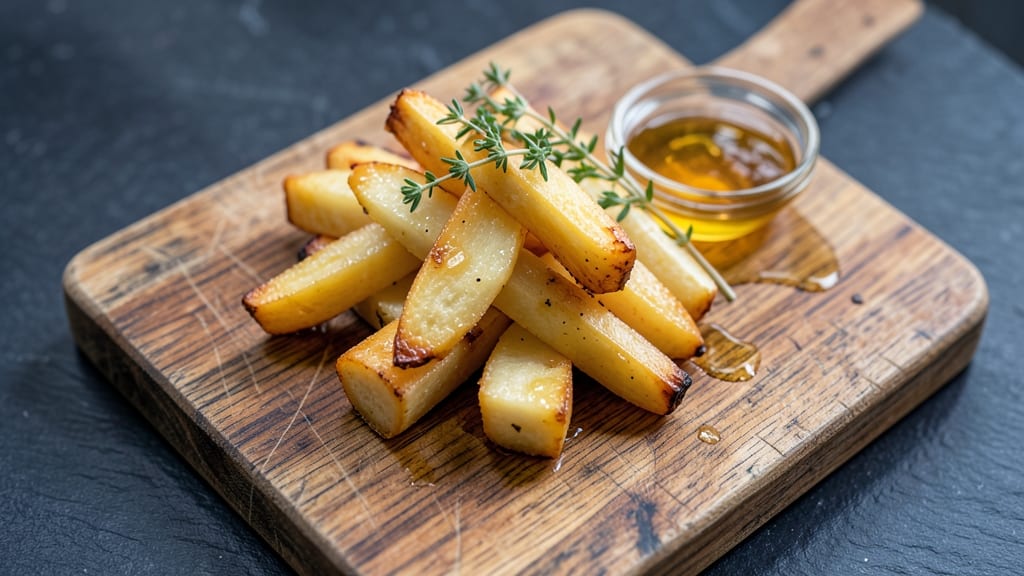
If you're craving a sweet, caramelized winter vegetable that transforms ordinary dishes, parsnips are your secret weapon. Their natural sugars intensify when roasted, creating a rich, nutty flavor that pairs perfectly with honey for a velvety glaze.
Plant parsnips in early spring for a late-winter harvest—they thrive in cool soil and can even overwinter in mild climates. Roast them whole or in wedges with honey, thyme, and a pinch of salt for crispy edges and tender centers. They also mash beautifully, offering a nutrient-packed alternative to potatoes.
This versatile root is a must for gardeners who love low-maintenance crops that reward you with gourmet flavors. Perfect for cozy winter meals, parsnips bring warmth to stews, soups, and even holiday sides. 🌱
Collard Greens Braised with Smoked Paprika
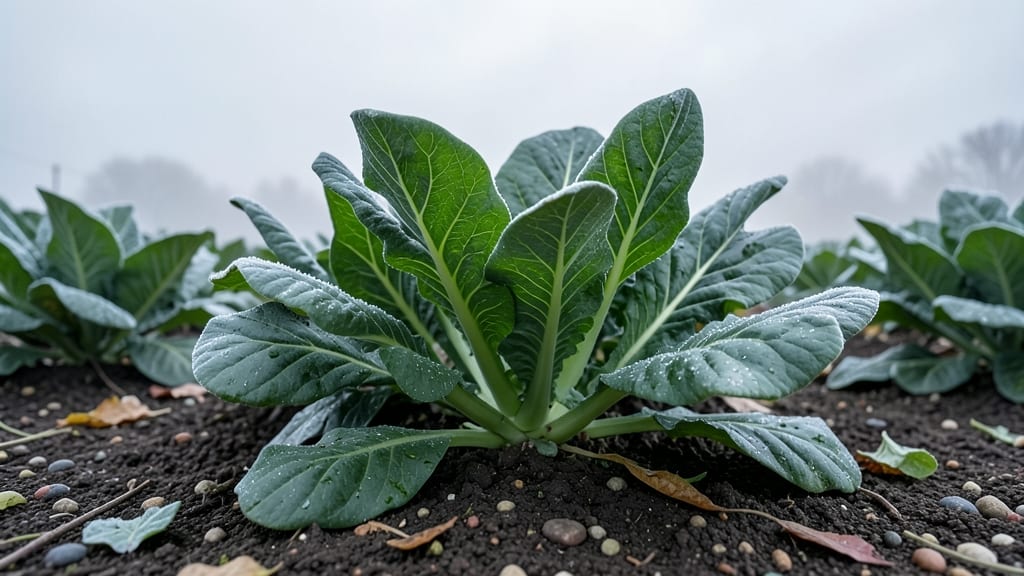
When winter’s chill settles in, collard greens become your garden’s unsung hero—hardy, nutrient-packed, and endlessly versatile. These leafy greens thrive in cold weather, growing sweeter after frost, and their large, tender leaves are perfect for slow-cooking into rich, smoky braises.
To grow them, plant seeds or transplants in well-draining soil with full sun to partial shade, and space them 12–18 inches apart. They’re drought-tolerant once established but benefit from consistent moisture. Harvest outer leaves as needed, leaving the center to keep producing. For braising, simmer with smoked paprika, garlic, and a splash of apple cider vinegar for depth—ideal for hearty stews or as a side dish.
Perfect for beginners or urban gardeners with limited space, collard greens deliver year-round harvests with minimal fuss. Their high vitamin A and C content makes them a powerhouse for winter immunity. 💚
Beets Roasted with Thyme and Goat Cheese
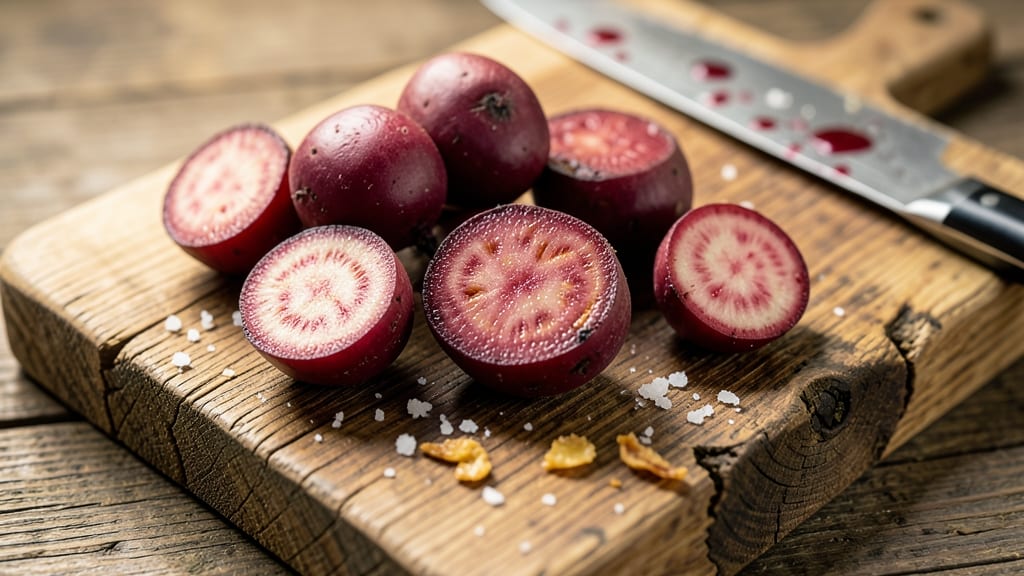
Winter’s boldest veggie steals the show with its deep red hue and earthy sweetness—beets thrive in cold weather and bring both nutrition and drama to your plate. Their vibrant color makes them perfect for roasting until tender, where their natural sugars caramelize beautifully with a sprinkle of thyme and crumbled goat cheese.
For gardeners, beets are a low-maintenance crop that stores well in cool conditions, making them ideal for winter harvests. Plant them in well-drained soil with full sun, and harvest when roots reach 2-3 inches in diameter. Their greens are edible too—add them to salads for a peppery kick! The combination of roasted beets with thyme and goat cheese creates a balance of earthy and creamy flavors that’s perfect for winter meals.
This versatile veggie is a game-changer for anyone looking to add color and nutrition to their winter table. 🌱
Cabbage Fermented into Sauerkraut

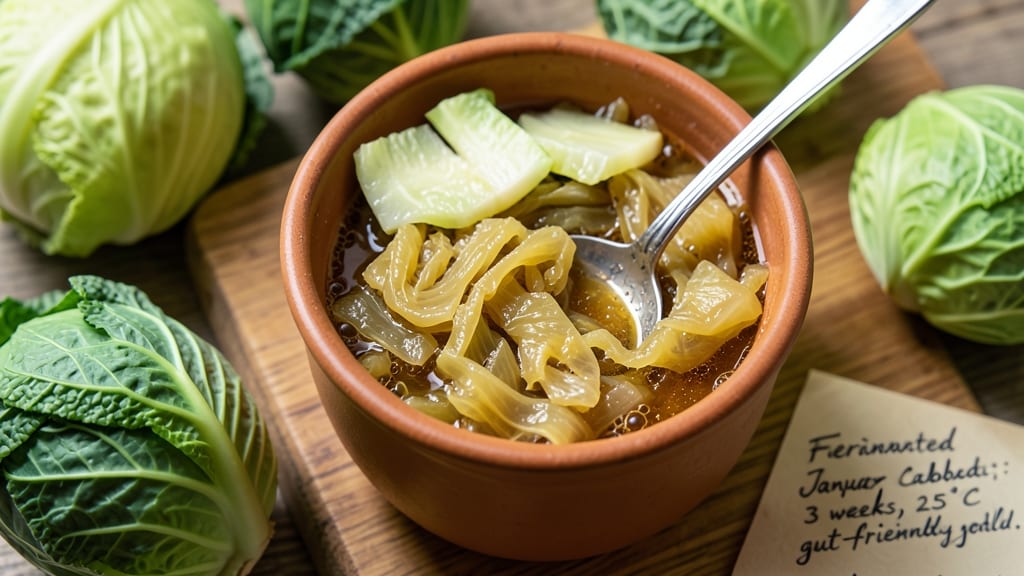
Turn your January cabbage harvest into a gut-friendly treasure with sauerkraut—a fermented powerhouse that keeps nutrients intact while adding probiotics to your diet. This traditional preservation method transforms crisp cabbage into a tangy, crunchy condiment packed with vitamin C and digestive benefits.
Start by shredding green or purple cabbage (or a mix) and packing it tightly into a clean jar, leaving 2 inches of headspace. Add a 2% brine solution (20g salt per liter of water) and weigh it down to keep the veggies submerged. Store at room temperature for 3–4 days, then refrigerate for flavor development. The result? A probiotic-rich condiment that lasts months and elevates sandwiches, bowls, and more.
This is the perfect project for gardeners with extra cabbage or those looking to extend their winter harvests. Plus, fermenting at home is cost-effective and customizable—add caraway seeds or juniper berries for extra flavor. 💚