
Size
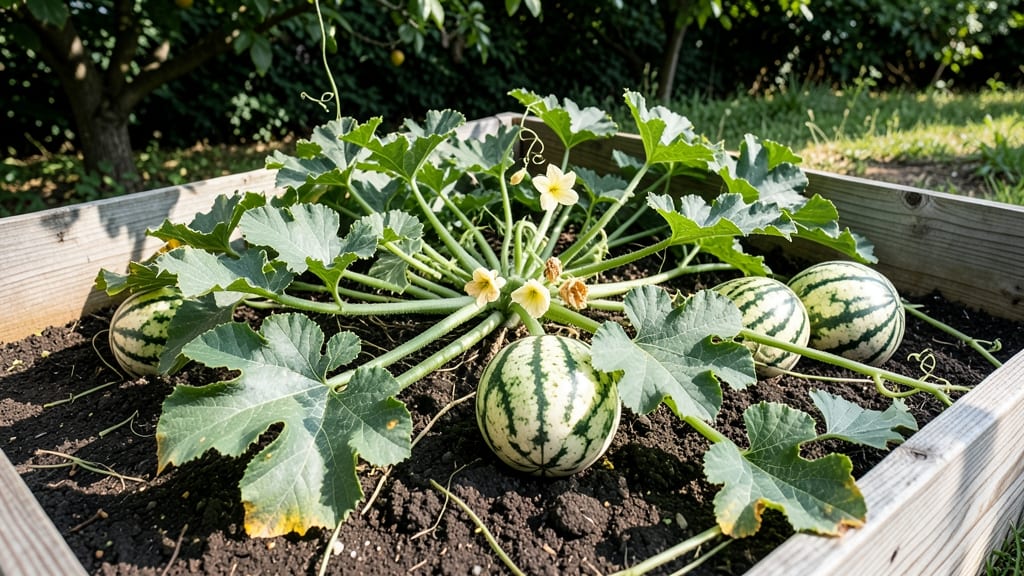
Understanding your watermelon grow zone is key to successful harvests, as temperature and daylight hours directly impact fruit development. 🌱 In cooler regions like Zones 4-6, early-maturing varieties (ready in 75-85 days) are your best bet, while warmer zones can support larger, sweeter varieties with longer growing seasons.
The secret to pushing watermelons in cold climates? Black plastic mulch raises soil temperatures by 5-10°F, giving plants a head start before summer's peak heat arrives.
What's fascinating is how different varieties handle heat stress—some, like Charleston Gray, actually prefer intense summer sun, while others bolt (flower prematurely) if nights stay above 85°F. I've found that spacing plants properly (18-36 inches apart) improves airflow, which is crucial for preventing fungal diseases in humid climates.
For Zone 7 gardeners, this means balancing heat tolerance with disease resistance when selecting seeds.
💡 In This Article
- USDA Zones for Watermelon Cultivation
- Top Watermelon Varieties by Climate
USDA Zones for watermelon cultivation
Watermelons are tropical plants at heart, requiring consistent warmth to thrive, which is why they perform best in USDA Zones 7 through 11. The ideal daytime temperature range for active growth is between 75-95°F, while nights should stay above 60°F to prevent stunted development.
In Zones 4-6, where frost can linger until late spring, watermelons face serious challenges—seeds won't germinate below 65°F, and young plants wilt if exposed to temperatures below 50°F. This frost sensitivity explains why gardeners in cooler climates rely on season extension techniques.
The key mechanism here is soil temperature, not air temperature. Watermelon seeds need soil that's at least 70°F to germinate properly, which is why black plastic mulch becomes a game-changer in cooler zones.
This simple technique raises soil temperatures by 5-10°F by absorbing sunlight, creating microclimates that mimic warmer growing conditions. 🌡️ In Zone 5, for example, this can mean the difference between a failed crop and a successful harvest—sometimes shifting the planting window by 2-3 weeks earlier than traditional schedules.
Daylight hours also play a crucial role in watermelon development. These plants need 80-100 days of warm weather to mature, which translates to about 12-14 hours of sunlight daily.
In northern latitudes (Zones 4-6), shorter summer days can limit fruit development, which is why early-maturing varieties (75-85 days to harvest) are essential. The trade-off? These faster varieties often produce smaller fruits with less sugar content compared to their heat-loving counterparts that mature over 90-120 days.
What most gardeners don't realize is how nighttime temperatures affect fruit quality. When nights stay above 85°F for prolonged periods, watermelons can develop a condition called "bolting"—where they flower prematurely but fail to set fruit properly. This is particularly problematic in Zones 9-11 during peak summer months.
The solution? Choose heat-tolerant varieties like 'Sugar Baby' (which handles heat better than most) or use shade cloth during the hottest afternoon hours to protect developing vines.
Frost is the ultimate enemy of watermelon cultivation, and even a light frost (32°F) can kill young plants. This is why gardeners in Zones 4-6 often wait until Memorial Day weekend to plant, despite the risk of late spring frosts.
The good news is that watermelon vines grow quickly—once established, they can reach 6 feet long in just 3-4 weeks, which gives them a fighting chance against early fall frosts if planted at the right time.
For those in transition zones (Zones 7-8), the challenge shifts from frost to heat stress. These areas experience rapid temperature swings—cool mornings followed by 95°F+ afternoons—which can cause uneven ripening.
The trick is to plant in early spring or late summer when temperatures are more moderate, or use drip irrigation to keep soil consistently moist without wetting the foliage (which promotes fungal diseases in humid conditions).
Remember that watermelons are annuals, meaning they complete their life cycle in one growing season. This makes them particularly vulnerable to early frosts in cooler climates. The best defense? Plant seeds indoors 4-6 weeks before the last frost date and transplant seedlings after all danger of frost has passed.
This gives plants a 2-3 week head start, allowing them to establish stronger root systems before summer heat arrives. 🌱