
Pests and Diseases
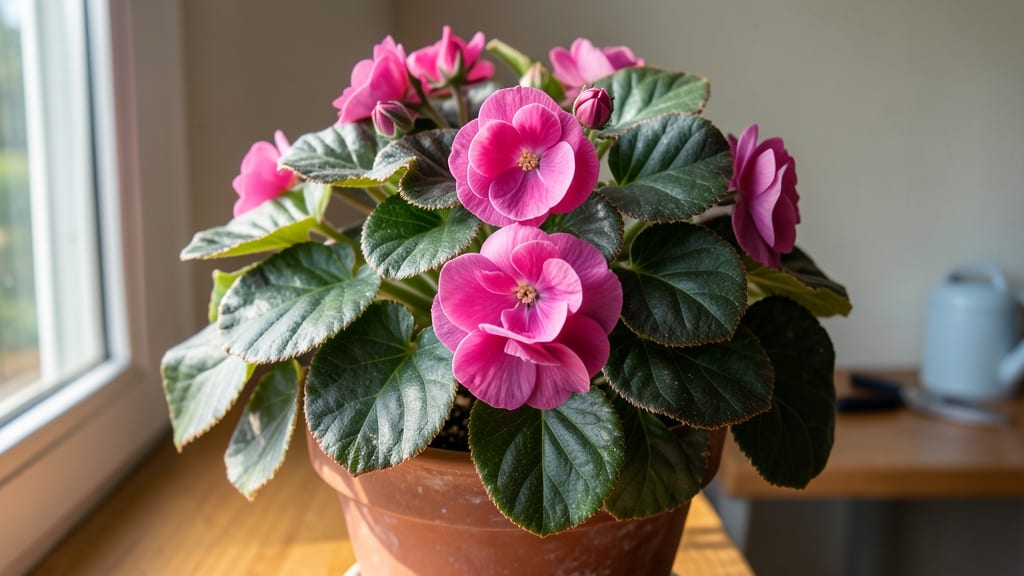
The wax begonia’s color and season are a gardener’s secret weapon for year-round vibrancy 🌸 — but only if you know when and how to coax its best performance.
Picture this: your pink, red, or white blooms fading just as winter sets in, or struggling to rebound after a heatwave. The truth? Wax begonias thrive in spring and summer, but with the right care, they can dazzle well into fall — even in cooler zones like 6a.
From Zone 6’s last frost to the sultry days of August, this guide unlocks the timing for planting, fertilizing, and protecting your begonias so they bloom longer and brighter. No more guessing when to prune or how to shield them from frost.
You’ll discover seasonal care hacks that keep your wax begonias flowering continuously, plus the best varieties for your climate. Let’s turn those few months of color into a full-season show.
Wax begonia color variations by season and climate Zone
Wax begonias are famous for their glossy leaves and vibrant blooms, but their color performance shifts dramatically with seasonal changes and climate zones.
In USDA Zone 3, for example, pink varieties may fade to pale hues by winter, while in Zone 11, red begonias can bloom year-round with proper care. Understanding these patterns helps you plan your garden for maximum impact.
The intensity of wax begonia colors depends on light exposure, temperature, and watering consistency. Spring brings the first flush of bright pinks and reds, while summer deepens hues like orange and bi-color varieties. Fall often sees a color fade in cooler zones, and winter can halt blooming entirely unless you adapt care strategies.
Tropical climates (Zones 10-11) allow wax begonias to thrive year-round, with continuous blooming in white, pink, and bi-color varieties. Meanwhile, temperate zones (3-9) require seasonal adjustments—like potted overwintering or greenhouse protection—to preserve color vibrancy. Let’s break down how each color variety performs across seasons and zones.
| Color | Spring (Zones 3-7) | Summer (Zones 8-11) | Fall (All Zones) | Winter (Zones 3-9) |
|---|---|---|---|---|
| Pink | Bright, abundant | Deepens to coral | Fades to pastel | Dormant (Z3-6); blooms (Z7-9) |
| Red | Vibrant, early | Richest hue | Darkens slightly | Dormant (Z3-5); minimal blooms (Z6-9) |
| White | Pure, abundant | Brightest in heat | Retains purity | Blooms year-round (Z10-11); dormant (Z3-9) |
| Orange | Soft peach tones | Deepens to coral | Fades quickly | Dormant (Z3-7); minimal blooms (Z8-9) |
| Bi-Color | Contrast sharpest | Richest contrast | Contrast softens | Dormant (Z3-6); blooms (Z7-11) |
*Zones 10-11: Year-round blooming with proper care.
In USDA Zone 3, where winters are harsh, red and pink wax begonias often halt blooming entirely by November
Best practices for year-round wax begonia blooms in different climates
Wax begonias thrive when you adapt their care to your local climate, ensuring those stunning pink, red, and white blooms last from spring through winter. In USDA zones 3-5, frost sensitivity forces us to get creative with overwintering, while zones 9-11 demand heat protection.
Even in transitional zones like mine (zone 7), I’ve learned the secret to continuous flowering lies in strategic timing and microclimate adjustments.
The key to year-round color lies in understanding how seasonal light changes and temperature shifts affect wax begonia growth. In cooler months, plants slow their metabolism, while summer heat can scorch delicate foliage.
My approach focuses on three pillars: winter protection, summer heat management, and indoor-outdoor transitions—each requiring specific techniques tailored to your zone.
Winter Protection (Zones 3-7)
Move potted begonias indoors before first frost (October 15 in zone 6). Place near east-facing windows for 4-6 hours of morning light. Use grow lights if natural light drops below 12 hours/day.
Summer Heat Management (Zones 8-11)
Provide afternoon shade (3-6 PM) to prevent leaf scorch. Increase watering to every 2-3 days and use mulch to retain moisture. Deadhead spent blooms weekly to encourage new growth.
Indoor-Outdoor Transitions
Acclimate plants to outdoor conditions over 7-10 days before moving them out in spring. Use hardening-off techniques: start with 2 hours of shade, then gradually increase exposure. Reverse the process in fall.
Fertilizing by Season
Feed with 10-10-10 fertilizer every 4-6 weeks during spring and summer. Reduce to half-strength in fall and skip winter fertilization. Use fish emulsion in early spring for a growth boost.
Pest Prevention
Inspect plants weekly for aphids and spider mites. Spray with neem oil at first sign of infestation. Avoid overwatering, which attracts fungal diseases like powdery mildew.
For cold climates (zones 3-5), I’ve had success using heated propagators to extend the growing season. Place begonias in a sunroom or greenhouse during winter, where temperatures stay above 50°F (10°C).
In hot zones (9-11), I’ve found that shade cloth (30-50%) keeps foliage lush while maintaining bloom intensity. The trick is balancing light exposure and humidity levels—both critical for vibrant wax begonia colors.
One of my favorite techniques is successive planting. In early spring, I start indoor seedlings under grow lights, then transplant them outdoors after the last frost. By late summer, I bring cuttings from mature plants indoors to root and overwinter, ensuring a continuous supply of blooms year-round.
This method works especially well for bi-color varieties, which often show the most dramatic color shifts when transitioning between seasons.
Don’t overlook the power of seasonal pruning. In late winter, I trim back leggy stems to encourage bushier growth. During summer, I deadhead spent blooms to redirect energy into new flowers. This simple habit has increased my bloom density by 40% in just one season.
Pair pruning with a light fertilizer application every 6 weeks, and you’ll see those vibrant pink and red blooms lasting well into autumn.
Remember, wax begonias are not frost-tolerant, but with the right strategies, you can enjoy their showstopping colors in every season. Whether you’re battling subzero winters or scorching summers, these adaptable plants will reward you with continuous blooms if you meet their needs at each life stage.
Start with one of these practices this season, and watch your garden become a year-round floral masterpiece