
Orchid Care
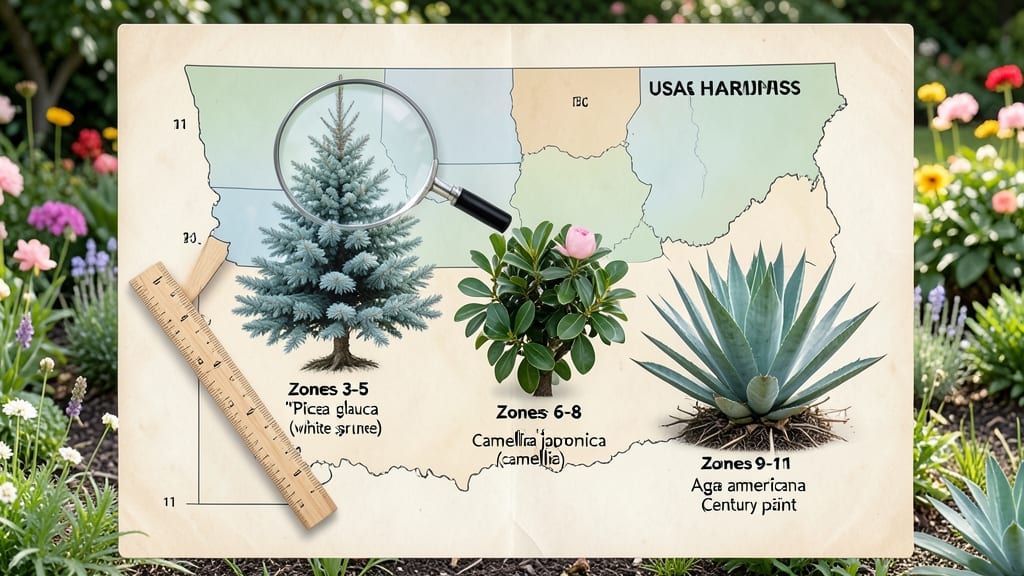
USDA Plant Hardiness Zones map regions based on average annual minimum temperatures to show which plants can survive winter conditions, from Zone 1 (extreme cold) to Zone 13 (tropical climates). Knowing your zone helps you choose plants that will thrive in your local climate.
These zones were first developed in the 1960s and are updated every 10 years to reflect changing climate patterns. 🌱 The system divides the U.S. into 13 main zones, each representing a 10°F difference in cold tolerance—so Zone 5 can handle down to -20°F while Zone 9 only goes to 20°F. For gardeners, this means selecting plants that match your zone ensures they'll survive winter without extra protection.
For example, a Zone 3 gardener can safely grow hardy perennials like coneflowers, but tropical plants like hibiscus need Zone 10 or warmer.
What's interesting is that these zones don't account for microclimates—the small variations in temperature that occur in different parts of your yard. A south-facing wall or a shady spot might create conditions that allow you to grow plants one zone harder than your official zone suggests.
That's why experienced gardeners often adjust their plant choices based on these local factors, especially when trying new varieties.
💡 In This Article
- How USDA Zones Determine Plant Survival Rates
- Finding Your USDA Zone and Adjusting for Microclimates
How USDA zones determine plant survival rates
The USDA Plant Hardiness Zone Map relies on 30-year averages of annual minimum temperatures—the coldest temperatures plants must endure to survive. Each zone represents a 10°F difference, with Zone 1 enduring -60°F and Zone 13 staying above 60°F.
This focus on winter lows makes sense because plants enter dormancy when temperatures drop, and their ability to rebound in spring depends on how well they tolerate these extremes.
For instance, a Zone 5 plant can survive -20°F winters, while a Zone 9 plant might get damaged below 20°F. 🌡️
These zones are calculated using data from over 15,000 weather stations across the U.S., analyzed by the USDA Agricultural Research Service. The maps are updated every 10 years to reflect climate change—recent versions show zones shifting northward as winters warm.
For example, Zone 6 now covers areas that were once Zone 5 just decades ago. This shift means gardeners in previously colder regions can now grow plants they couldn’t before, like olive trees (Zone 8) in parts of the Midwest.
The science behind this system comes from plant physiology. Most plants have a critical temperature threshold where cell damage occurs—typically around 28°F for many species. Below this, ice crystals form in plant tissues, rupturing cells and causing irreversible harm.
The USDA zones help gardeners avoid planting species that will consistently fail in their climate. For example, blueberries (Zone 3-7) won’t thrive in Zone 10 because they need cold dormancy to produce fruit the next year.
However, the zones aren’t perfect. They don’t account for short-term cold snaps or heat waves, which can push plants outside their comfort zone. A Zone 7 plant might survive a -10°F dip if it’s protected, but the map assumes average conditions.
That’s why gardeners often use zones as a starting point and adjust based on their local microclimate. For example, a sheltered garden bed might allow you to grow Zone 6 plants in Zone 5 without winter damage.
Another key factor is plant acclimation. Some species, like Russian olive trees (Zone 2-7), can harden off in fall, making them more cold-resistant than their zone suggests. Others, like citrus trees (Zone 9-11), are sensitive to even brief cold snaps below 28°F.
Understanding these nuances helps gardeners push boundaries—like growing roses in Zone 4 with winter mulch or tomatoes in Zone 8 with shade cloth in summer.
For orchid enthusiasts, this means selecting varieties like Cymbidium (Zone 7-10) for warmer climates or Phalaenopsis (Zone 10-12) for tropical conditions. The zones act as a guaranteed baseline for survival, but your local conditions—like a sunny microclimate or protected spot—can expand what you can grow. 🌿