
Flowers
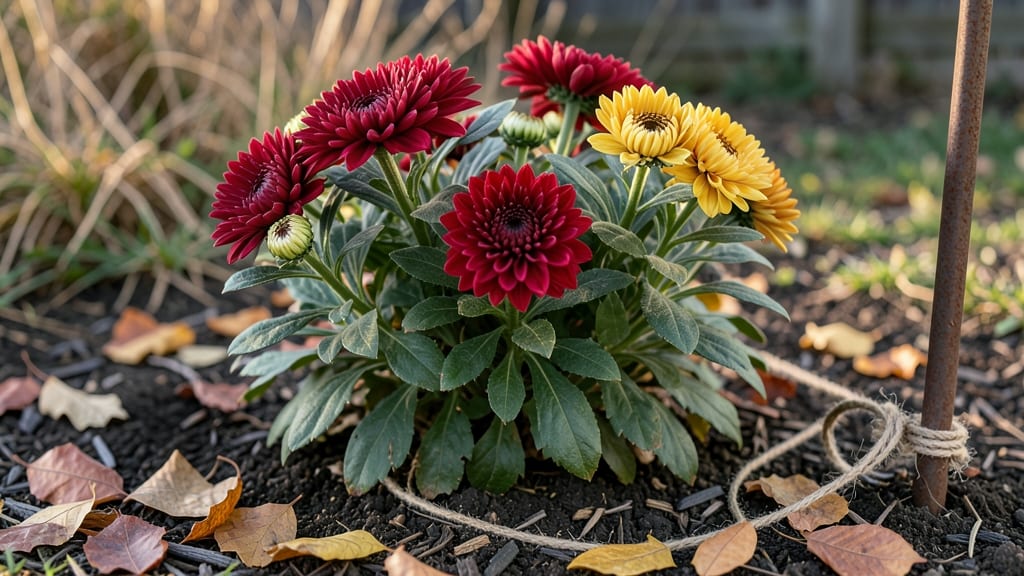
Flowers in season in November include hardy chrysanthemums, asters, pansies, and late-blooming roses, along with everlasting blooms like goldenrod and sedum for late-fall color in cooler climates. Choose varieties suited to frost tolerance and seasonal light changes.
November's cooler weather actually benefits many flowers, as they've evolved to thrive in shorter daylight and crisp air. 🌼 Chrysanthemums, for example, often bloom more prolifically in response to temperature drops, while asters and pansies develop natural frost resistance through their waxy coatings.
These late-season bloomers not only add color but also provide vital nectar for pollinators when other flowers have faded. I've found that mixing perennials like sedum with annuals creates a longer-lasting display—some varieties even continue blooming until the first hard freeze.
For gardeners in different regions, timing matters most.
In colder zones (3-6), focus on hardy perennials that can withstand light frosts, while warmer areas (7-10) might extend summer annuals with proper care. 🌿 The key is selecting varieties that match your local frost dates—some chrysanthemums, for instance, can handle temperatures down to 20°F with minimal protection.
Mulching around the base of plants helps preserve root warmth during temperature swings.
💡 In This Article
- Why November Blooms Thrive in Cool Weather
- Best November Flowers by Climate Zone
Why November blooms thrive in cool weather
Late-season flowers like chrysanthemums and asters have evolved specialized mechanisms to handle November's chill.
Their cold resistance stems from antifreeze proteins in their cells, which prevent ice crystals from forming at temperatures down to 25°F. 🌟 These proteins bind to ice nuclei, slowing crystal growth—similar to how antifreeze works in car engines.
Unlike summer annuals that wilt in cooler temps, these perennials actually bloom more prolifically when nights dip below 50°F, triggered by a process called vernalization where cooler temps signal flowering.
Photoperiod sensitivity plays a crucial role too. Many November bloomers are short-day plants, meaning they need 10-12 hours of daylight or less to trigger flowering.
As November daylight shrinks from 10.5 hours to 9.5 hours (in the Northern Hemisphere), chrysanthemums and asters receive the perfect photoperiod cue. 🌿 This adaptation explains why they bloom in late fall when summer flowers have faded—they're biologically programmed to take over when days grow shorter.
The waxy coating on pansy leaves also creates a microclimate that insulates against light frosts, allowing them to survive temperatures as low as 15°F.
Temperature shifts actually enhance their flavor and fragrance. The cooler weather concentrates natural oils in petals, making scents like spicy chrysanthemums or honey-sweet pansies more intense. 🌼 This chemical concentration happens because metabolic processes slow down, allowing more volatile compounds to accumulate.
For gardeners, this means November blooms often smell and look more vibrant than their summer counterparts. The trade-off? Their growth slows significantly below 40°F, which is why mulching becomes essential—it maintains soil temperatures around 50-55°F, keeping roots active.
One fascinating adaptation is how these flowers store carbohydrates in their roots during summer. This stored energy fuels their late-season growth when photosynthesis slows. 🌱 For example, sedum varieties can survive -20°F because they've been building up reserves since spring.
This biological strategy explains why November gardens can look just as lush as summer ones—these plants are essentially "banking" energy for their final burst of color before winter.
The key difference from summer flowers is their ability to pause growth rather than die back completely, allowing them to rebound quickly in spring.
Color also plays a survival role. Many November bloomers feature dark purple or deep red hues, which absorb more sunlight and heat. 🌈 This thermal advantage helps maintain slightly warmer leaf temperatures, extending the growing season by 2-4 weeks compared to lighter-colored flowers.
Even the flower structure changes—petals often grow thicker and more leathery, reducing water loss during crisp air. These adaptations explain why November gardens can remain vibrant even when summer annuals have long since faded.
What most gardeners don't realize is how these flowers communicate with pollinators.
Many November bloomers produce night-scented fragrances that attract moths and bees still active in cooler weather. 🌙 The timing is perfect—when daytime temperatures drop below 60°F**, these flowers release their strongest aromas during evening hours when pollinators are most active.
This ecological strategy ensures they get pollinated even when daytime pollinators have migrated south. For gardeners, this means planting these flowers near evening-lighting sources can dramatically increase their visibility to night-flying pollinators.