
Planting
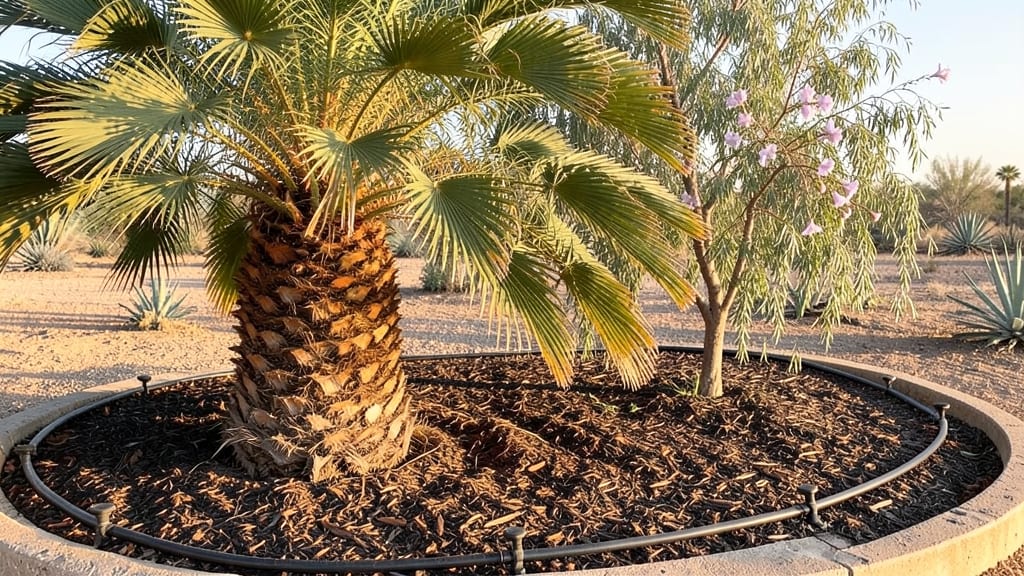
Phoenix's Zone 10a–10b classification means winter lows rarely drop below 30°F, while summer temperatures often exceed 110°F.
This creates a unique growing environment where frost-sensitive plants thrive, but heat tolerance becomes just as critical as cold hardiness. 🌵 For example, while citrus trees flourish in this zone, they need afternoon shade during peak summer months to prevent sunburn.
The city's desert climate also means soil stays dry most of the year, requiring irrigation systems that deliver water directly to plant roots rather than relying on rainfall.
What makes Phoenix particularly interesting is how urban areas create microclimates—sidewalks and buildings can raise temperatures by 10°F or more compared to surrounding desert. This means gardeners in downtown areas might need to adjust planting zones slightly higher than the official classification.
For instance, while Zone 10b plants generally survive, some heat-sensitive varieties may struggle without proper shade and water management.
💡 In This Article
- Understanding Phoenix AZ’s USDA Zone 10a–10b Climate Characteristics
- Microclimate Gardening Tips for Phoenix’s Urban Heat Islands
Understanding Phoenix AZ’s USDA Zone 10a–10b climate characteristics
Phoenix's Zone 10a–10b classification is defined by precise temperature thresholds that determine which plants will thrive. Zone 10a experiences average minimum winter temperatures between 30°F and 35°F, while Zone 10b ranges from 35°F to 40°F.
These thresholds mean frost is extremely rare, with the last average frost date in Phoenix occurring around January 15th—if it happens at all. This frost-free environment allows gardeners to grow tropical plants like mango trees and hibiscus that would perish in colder zones.
The real challenge in Phoenix isn't cold hardiness but heat tolerance. Summer temperatures frequently exceed 110°F, creating conditions where even Zone 10b plants may struggle without proper care. For example, while bougainvillea thrives in full sun elsewhere, Phoenix varieties often need afternoon shade to prevent leaf scorch.
The city's 140+ days per year above 90°F means irrigation systems must deliver water directly to roots rather than relying on surface watering, which evaporates quickly in the dry desert air.
This climate also creates unique growing seasons. Unlike northern climates with distinct spring/fall planting windows, Phoenix allows year-round planting for suitable species. However, the intense sun means shade-loving plants like ferns and calatheas require protected microclimates, while succulents and cacti flourish in full desert exposure.
The key is matching plant needs to specific microclimates within the city—what works in a shaded courtyard differs dramatically from exposed desert landscapes just miles away.
Comparing Phoenix to nearby desert regions reveals subtle but important differences. Tucson, also in Zone 10a, has slightly cooler nights due to higher elevation, while Yuma's Zone 9b classification reflects its more extreme heat.
Phoenix's urban heat island effect can push temperatures 5-10°F higher than surrounding areas, creating localized hotspots where even Zone 10b plants may struggle without proper water management. This urban heat effect explains why downtown Phoenix gardens often require more frequent watering than suburban areas just a few miles away.
What most gardeners don't realize is how soil temperature plays a crucial role. Phoenix's sandy soils heat up rapidly during the day but cool quickly at night, creating temperature fluctuations that can stress plants. This is why mulching becomes essential—it moderates soil temperature swings and retains moisture.
The city's low humidity (typically 10-20%) means plants lose water through transpiration at alarming rates, making efficient irrigation systems like drip lines or soaker hoses far more effective than traditional sprinklers.
For tropical plants accustomed to consistent warmth, Phoenix's summer heat can be just as challenging as winter cold in other regions. For instance, while citrus trees thrive in Zone 10b, they require afternoon shade during peak summer months to prevent sunburn.
The combination of intense sunlight and dry air creates conditions where even established plants may need supplemental watering every 2-3 days during summer months, regardless of their zone classification.