
Planting
Savannah, GA falls within USDA Planting Zones 8a and 8b, with average minimum temperatures ranging from 10°F to 15°F (-12°C to -9°C), allowing for year-round gardening with frost-sensitive plants in winter.
Savannah's coastal location and warm Gulf Stream currents create its mild winter climate, which is why it sits squarely in these zones. 🌿 The city's proximity to the ocean moderates temperatures, preventing extreme cold snaps that might push it into Zone 7.
This means you can safely grow a wider variety of plants than in inland areas with similar latitudes, including citrus trees in sheltered microclimates. However, unexpected cold fronts can still dip below 10°F, so understanding your specific microclimate—whether urban heat islands or shaded garden spots—is key to protecting tender plants.
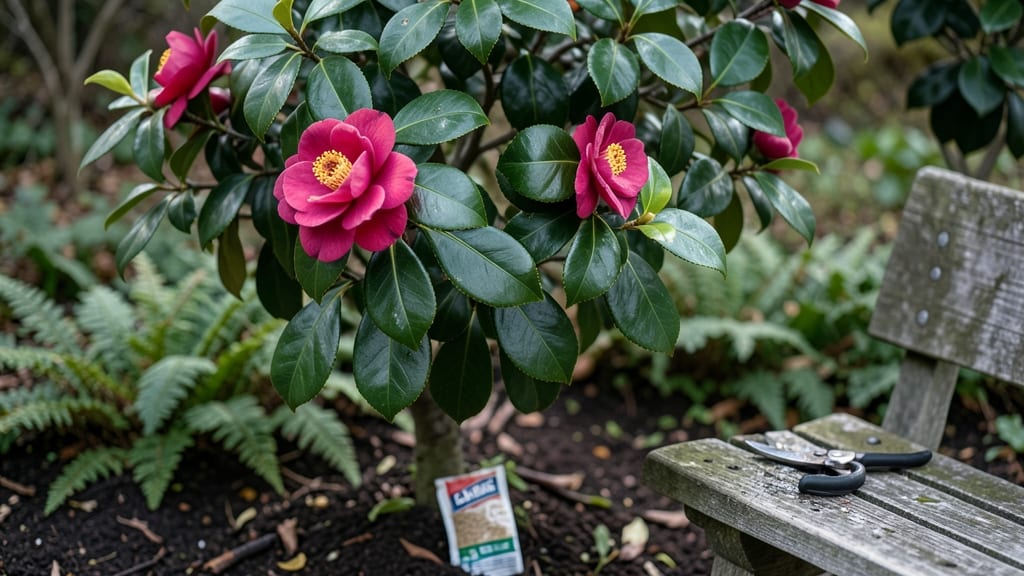
For example, while camellias thrive in Zone 8a-8b, their blooms can suffer if exposed to sudden freezes. 🌸 I've found that grouping frost-sensitive plants near south-facing walls or using row covers during cold snaps makes all the difference.
The coastal humidity also means you'll need to choose plants that tolerate damp conditions without rotting, like azaleas or crape myrtles, while avoiding delicate annuals that wilt in Savannah's summer heat.
💡 In This Article
- Understanding Savannah’s USDA Zone 8a-8b Climate Factors
- Best Plants for Savannah’s Zone 8a-8b Garden
Understanding Savannah’s USDA Zone 8a-8b climate factors
Savannah’s classification as USDA Zones 8a and 8b stems from its coastal geography and Gulf Stream influence.
The Atlantic Ocean acts like a thermal blanket, moderating winter temperatures that would otherwise plunge lower in inland areas. 🌊 For example, while Atlanta (Zone 7b) can experience 5°F (-15°C) dips, Savannah rarely drops below 10°F (-12°C).
This 5°F difference makes all the difference for frost-sensitive plants like citrus or bougainvillea.
The humidity plays a critical role too. Savannah’s average annual humidity hovers around 75-80%, creating a subtropical climate that requires plants adapted to moisture.
This explains why Zone 9a plants like mango trees thrive in nearby Tybee Island (which occasionally reaches 18°F (-8°C) minimums) but struggle in inland Zone 8a areas with drier air.
The coastal breeze also prevents heat buildup, keeping summer highs around 90-95°F (32-35°C) rather than the 100°F+ (38°C+) seen in Georgia’s interior.
Microclimates further complicate the picture.
Urban areas like downtown Savannah experience heat island effects, with pavement and buildings trapping warmth that can push nighttime lows 3-5°F higher than rural areas. 🌆 This means a garden on Skidaway Island (more exposed) might need Zone 8a protection, while a backyard near Forsyth Park could safely grow Zone 9a plants in microclimates.
The key is observing your specific spot’s frost patterns—some years, 28°F (-2°C) cold snaps occur, risking damage to Zone 9a plants even in Zone 8b.
This temperature variability affects plant selection. While camellias (Zone 7-9) flourish, their blooms may blacken after 25°F (-4°C) freezes. 🌸 Similarly, lemon trees (Zone 9-11) need winter protection unless planted in south-facing microclimates with 8+ hours of sunlight.
The USDA zones provide a baseline, but Savannah gardeners must account for these local nuances—like the 10-year average of 3 cold snaps below 15°F (-9°C) that determine which plants truly thrive.
Seasonal shifts matter too. Spring arrives 2-3 weeks earlier than inland Georgia, allowing tender perennials like canna lilies to emerge by mid-March. Summer’s long growing season (May-October) supports year-round harvests of sweet potatoes and okra, while fall’s mild temperatures extend pumpkin growth until November.
This extended seasonality is why Savannah’s Zone 8a-8b designation enables such diverse gardening—when you understand how to work with these climate quirks.