
Size
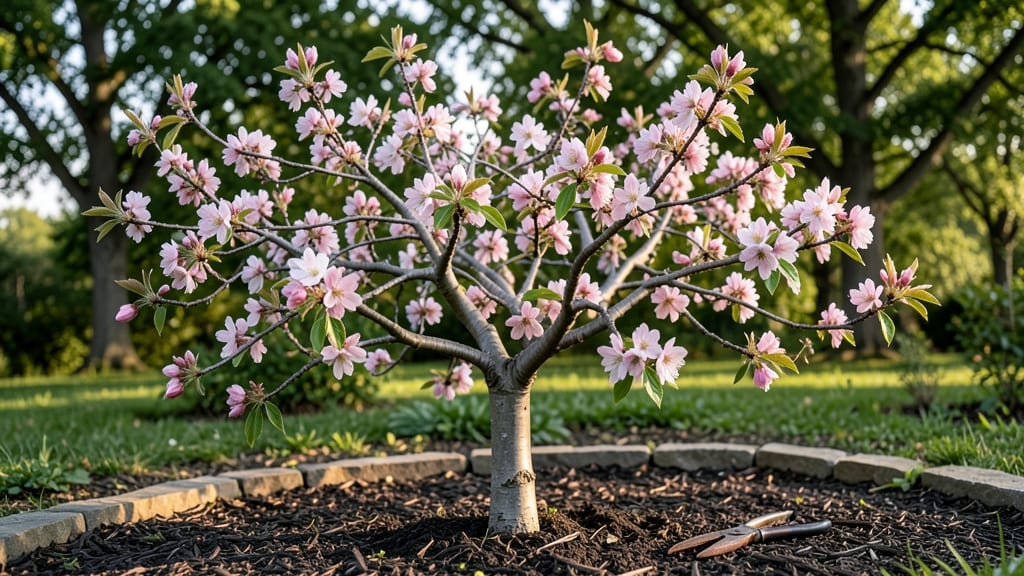
Peach trees follow a predictable growth cycle that's heavily influenced by temperature and daylight. 🌸 In colder USDA zones (5-8), trees enter dormancy in winter, burst into bloom with spring's warming air, and develop fruit over summer's long days.
Meanwhile, in warmer zones (9-11), you might see multiple harvests since the climate supports continuous growth. The key difference is that southern peaches often ripen earlier and may produce fruit even in winter months.
What makes this timing so critical is how temperature affects each growth stage. For example, peach blossoms need chill hours (below 45°F) during winter to set fruit properly, while summer temperatures above 85°F can actually stress the trees and reduce quality.
That's why zone 7 gardeners often get the sweetest peaches—they get just enough winter chill followed by perfect summer warmth.
💡 In This Article
- Peach Tree Growth Stages by USDA Hardiness Zones
- Best Practices for Harvesting Peaches at Peak Ripeness
Peach tree growth stages by USDA hardiness zones
The peach tree's lifecycle is a delicate dance between biology and climate, where each USDA zone dictates the timing and intensity of growth. In Zones 5-8, trees enter winter dormancy when temperatures drop below 32°F, protecting them from frost damage.
This dormant period is essential—peach trees require 400-1,000 chill hours (temperatures between 32-45°F) to trigger spring blooming. Without enough chill, trees may fail to produce fruit or yield poorly.
Spring arrives with rising temperatures, and by March-April in most northern zones, peach blossoms burst into vibrant pink and white. These flowers are incredibly sensitive to late frosts, which can destroy buds before they set fruit.
In Zones 9-11, where winters are milder, trees may bloom earlier (as early as January-February) and produce fruit in overlapping cycles, sometimes yielding two harvests per year.
The fruit development stage begins in late spring, with peaches growing rapidly during summer's 70-85°F temperatures—ideal for sugar accumulation and flesh softening.
What's fascinating is how daylight length influences ripening. Peaches in Zones 5-8 typically reach peak ripeness between late July and August, when days are long but temperatures begin cooling slightly. This timing prevents the fruit from becoming overly soft or mealy.
In contrast, southern peaches often ripen earlier (as early as May-June in Zone 10) because the consistent warmth accelerates growth. The trade-off? Southern peaches may lack the complex sweet-tart balance found in northern-grown varieties due to less seasonal variation.
Temperature extremes play a critical role in fruit quality. Prolonged heat above 90°F can cause peaches to develop a condition called "sunburn," where the skin turns brown and leathery. Meanwhile, sudden temperature drops below 50°F during ripening can halt sugar development, resulting in bland fruit.
This is why Zone 7 often produces the most flavorful peaches—it strikes the perfect balance of chill hours and summer warmth, allowing sugars to develop fully without stressing the tree.
Here's what most gardeners don't realize: peach trees in Zones 9-11 may produce fruit year-round, but quality varies dramatically. Winter-harvested peaches (from late fall plantings) often taste less sweet because the trees lack proper dormancy.
The best flavor comes from fruit ripened during the natural growing season, even in warm climates. For example, a peach tree in Zone 10 planted in spring will yield sweeter fruit than one planted in fall, which may produce fruit too quickly after dormancy.
Consider these key factors when planning your harvest:
- Chill hours: Northern zones (5-8) get enough natural chill, while southern zones often need chill-resistant varieties like 'Tropic Beauty' or 'Flordagold'
- Bloom timing: Monitor local frost dates—late frosts can destroy 90% of blossoms in a single night
- Ripening window: Northern peaches develop over 8-10 weeks, while southern varieties may ripen in just 6 weeks
- Soil temperature: Roots need 60°F+ to absorb nutrients effectively during fruit development
The science behind peach ripening involves ethylene gas production, which peaks when fruit reaches 70-75% of its final size.
This is why you'll often see peaches ripen unevenly on the same tree—those closest to the trunk (warmer microclimate) may ripen first, while outer branches lag behind. 🌱 Understanding these biological cues helps gardeners predict harvest windows with remarkable accuracy.