
Planting
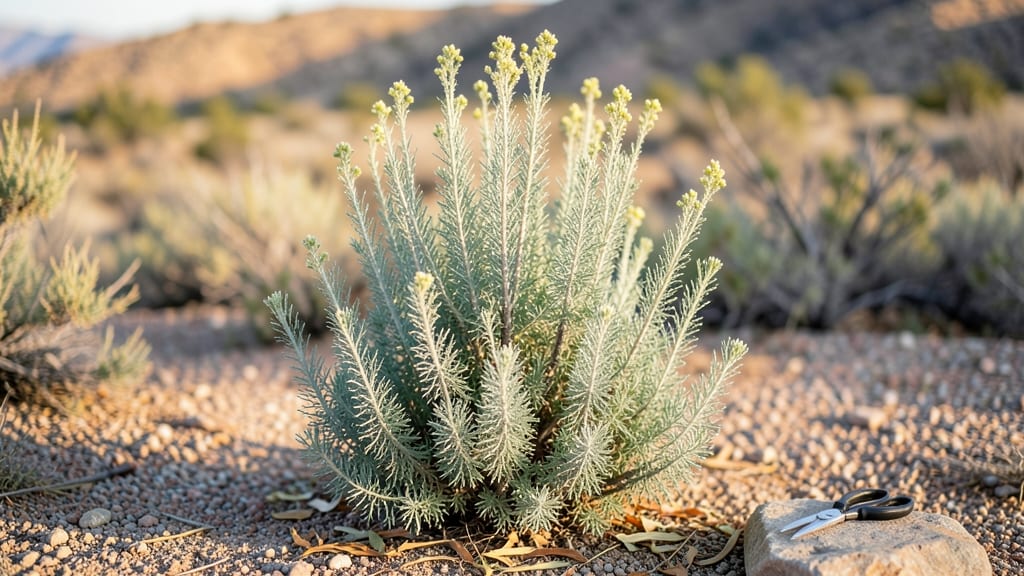
Reno, NV, is located in USDA Hardiness Zones 6b and 7a, where winter lows typically range between -5°F and 5°F (-20.6°C to -15°C), creating perfect conditions for cold-resistant plants like lavender, Russian olive, and hardy perennials.
Reno's high elevation—over 4,500 feet—plays a huge role in its zone classification.
The cooler temperatures at this altitude push the city into the lower end of Zone 7, while microclimates near the Truckee River can create slightly warmer pockets. 🌡️ This means gardeners need to pay close attention to frost dates, which average around April 15 for last spring frost and October 15 for first fall frost.
The zone boundaries also explain why some plants thrive here that might struggle in lower-elevation Nevada areas.
Understanding these zones helps you choose plants that won't get fried by sudden cold snaps or wilt in summer heat. For example, while Zone 7a plants like Russian olive can handle Reno's winters, you'll want to protect tender perennials with mulch during unexpected late frosts.
The key is matching your plant's hardiness rating to Reno's zone range—anything rated for Zone 6 or higher should do well with proper care.
💡 In This Article
- Understanding Reno NV’s Climate and USDA Zone Boundaries
- Best Plants for Reno’s USDA Zones 6b/7a
Understanding Reno NV’s climate and USDA Zone boundaries
Reno's placement in USDA Zones 6b and 7a isn't random—it's shaped by a combination of high elevation and unique weather patterns. At over 4,500 feet above sea level, temperatures naturally run cooler than at lower elevations, which pushes the city into these specific zones.
The elevation creates a 10-15°F cooler climate than nearby lower desert areas, where Zone 8 plants might thrive. This altitude effect explains why Reno's winter lows dip to -5°F to 5°F (-20.6°C to -15°C), creating the ideal range for Zone 6b/7a classifications.
The zone boundaries also reflect Reno's dramatic temperature swings. During winter, cold air pools in the valleys while nearby hills stay slightly warmer—a microclimate effect that can shift hardiness by 1-2 zones in just a few miles.
Spring and fall bring particularly unpredictable conditions, with late frosts sometimes occurring as late as May 10 or early frosts arriving by September 20.
These fluctuations mean gardeners must choose plants with flexible hardiness ratings, like Russian olive (Zone 3-9) or lavender (Zone 5-9), that can handle both cold snaps and brief heatwaves.
What makes Reno's zones particularly interesting is how they interact with the city's arid climate. While the cold winters define the zone classification, summer heat (often exceeding 90°F) creates additional stress for plants.
This dual-extreme environment explains why drought-tolerant species like yucca and sedum thrive here—they've evolved to handle both freezing nights and scorching days. The USDA zones help predict winter survival, but Reno gardeners also need to consider summer water requirements and heat tolerance when selecting plants.
Here's what these zones mean for your garden: Zone 6b plants (like crabapple trees) can handle -5°F dips, while Zone 7a plants (such as redbud trees) tolerate up to 5°F.
The 10°F difference between these zones might seem small, but it translates to critical survival for marginal plants. For example, a zone 7b plant (tolerating 0°F) might struggle in Reno's coldest winters, while a zone 6a plant (tolerating -10°F) would likely survive with proper mulching.
The zone classification also helps explain Reno's 120-150 day growing season, which runs roughly from mid-April to mid-October.
This limited window means gardeners must time plantings carefully—cool-season crops like lettuce can be sown in early March, while warm-season plants like tomatoes need to wait until after May 15 to avoid frost damage.
The zone boundaries serve as a starting point, but local observations about microclimates and frost patterns often become the most reliable gardening guides.
One common misconception is that all of Reno falls neatly into these zones.
In reality, areas near the Truckee River can experience slightly warmer microclimates (approaching Zone 7b), while higher elevations in the Virginia Range might dip closer to Zone 6a. Understanding these variations helps explain why some gardeners in south Reno might successfully grow zone 7b plants while those in north Reno need to stick to Zone 6b varieties.
Paying attention to these local differences can mean the difference between a thriving garden and a failed experiment.